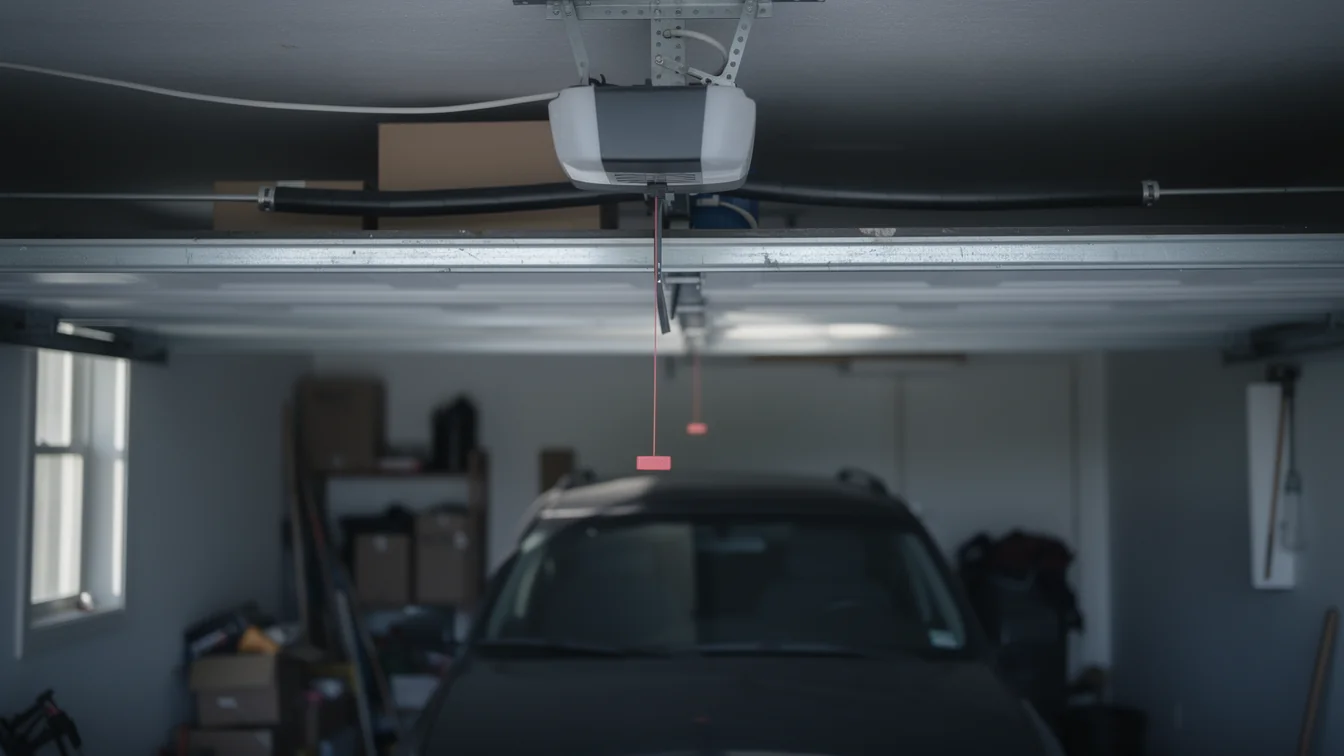
 When the Power Drops and the Opener Won't Move
A look at how Sunnyvale's mild climate and 1960s-70s housing stock shape what happens to garage door openers during a power cut, and what to check first.
Replacing a Garage Door in Sunnyvale
A guide for Sunnyvale homeowners on replacing a garage door, built around this area's 1960s-70s housing stock and mild coastal climate.
Local detail
What the Weather Here Does to It
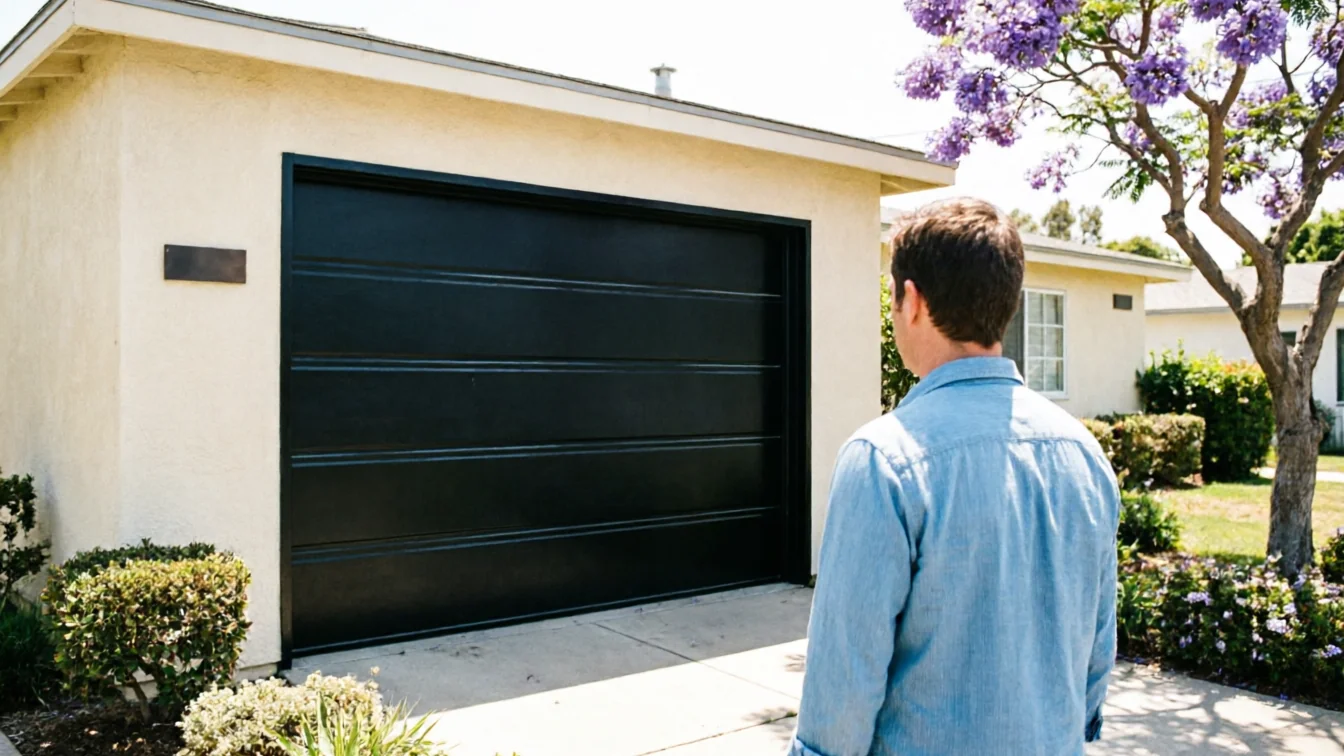
Sunnyvale sits in a mild temperate band, and that works in your favor more than most homeowners realize. You don't get the freeze-thaw cycles that crack panel seams in colder states, and you don't get the salt-air corrosion that chews through hardware near the coast. What you do get, after enough decades, is UV fade on painted steel and wood doors, and dried-out weatherstripping that lets in dust during the dry months. Because most housing in this service area went up between 1947 and 1987, with a lot of it clustered in the 1960s and 70s, a large share of original doors and openers are now well past the point where parts exist for them. The mild climate means the door itself often still looks fine from the street. The track, the hinges, and the spring behind it are a different story. That gap between how a door looks and what's actually failing underneath it is the single biggest reason people in homes from this era end up replacing rather than repairing. We're not telling you Sunnyvale gets harsh weather, because it doesn't. We're telling you the age of the door matters more here than the climate does.
The area
When to Get Help
If your house falls in that 1964-median build range common across this area, and the door has never been swapped, start by checking the spring and hardware before you assume it's fine. A door that's original to a house built in the 60s or 70s is likely on a torsion spring and track system that predates current hardware standards, and finding a matching replacement spring can mean a custom order rather than something off a shelf. If you're hearing grinding at the rollers, seeing visible sag at the bottom panel, or the opener struggles to lift a door that used to move easily, that's your signal to get someone out before it fails mid-cycle. We don't recommend waiting until a spring snaps, because a door with a broken torsion spring under load is a real injury risk, not just an inconvenience.
What we find
The Situation
Across this service area there are roughly 298,406 households and about 110,090 owner-occupied houses, a lot of them built in that same 1947-1987 window, concentrated in the 1960s and 70s. That matters for replacement decisions because manufacturers have moved on from a lot of the hardware sizing and mounting styles used then. If you're in Old Mountain View, Cuesta Park, or one of the other older pockets near the 1-to-3-mile range from downtown, there's a good chance your garage was built with a door and track sized for a car and a house footprint that's smaller than what gets built today. With a median household income of $207,750 across the area, a lot of owners here choose to replace rather than keep patching an original door, since the cost difference between a repair on obsolete parts and a new door is often smaller than people expect.
How we work
What to Check
Before you call anyone, walk out and look at four things. First, the springs: are they torsion springs mounted on a bar above the door, which is standard for a lot of the 1960s-70s builds here. Second, the track: is it bent, rusted at the rollers, or does it look original to the house. Third, the panels: original steel doors from that era are often a single layer without the insulation newer doors carry, which you'll notice as a temperature difference in the garage even in a mild climate like this one. Fourth, the opener: if it's a chain-drive unit that sounds labored, it may be straining against hardware it was never matched to. We can't tell you from a page what your specific door needs, since that depends on what's actually in your garage, but checking these four things before you call saves you a diagnostic visit and gets you a more useful first conversation.
Questions
Common questions
Is my garage door original to my house in Sunnyvale?
If your home falls in the common 1947-1987 build range for this area, especially the 1960s-70s cluster, there's a real chance the door and opener are original or close to it. Check the spring style and track mounting against anything newer you've seen installed, and look for a manufacture date stamped on the door's edge or opener housing.
Does Sunnyvale's mild climate mean I don't need to worry about door wear?
Mild weather spares you freeze-thaw cracking and coastal salt corrosion, but it doesn't stop age. UV fade, dried weatherstripping, and worn torsion springs happen here on their own schedule, tied more to the age of the door than to storms or extreme temperatures.
Why would I replace instead of repair an older door?
On doors original to 1960s-70s construction, matching hardware can mean a custom spring order instead of an off-the-shelf part. Given the cost of hunting down obsolete parts versus a new door, a lot of owners in this area find replacement is the more practical call once the original hardware starts failing.
What should I check myself before calling for a quote?
Look at the spring type, the condition of the track and rollers, whether the panels are insulated or single-layer steel, and how the opener sounds under load. These four checks give you a clearer picture of what's actually wrong and make your first call more useful.
Recommendation
You Might Also Like
More garage door guides for Sunnyvale homeowners.
When the Power Drops and the Opener Won't Move
A look at how Sunnyvale's mild climate and 1960s-70s housing stock shape what happens to garage door openers during a power cut, and what to check first.
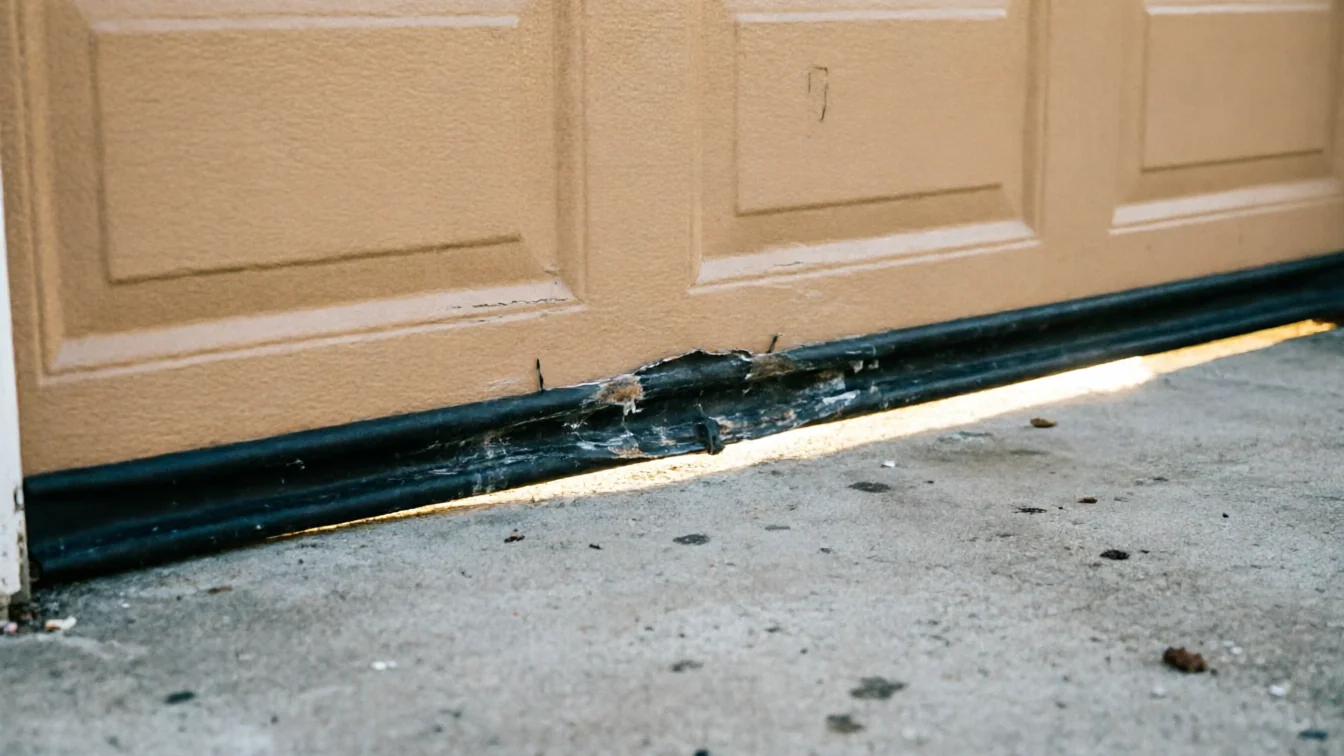 Weather Seals and Draughts in Sunnyvale: What Your Garage Door Needs
How Sunnyvale's mild climate and 1947-1987 housing stock wear down garage door seals, what draughts mean, and what to check before you call for a repair.
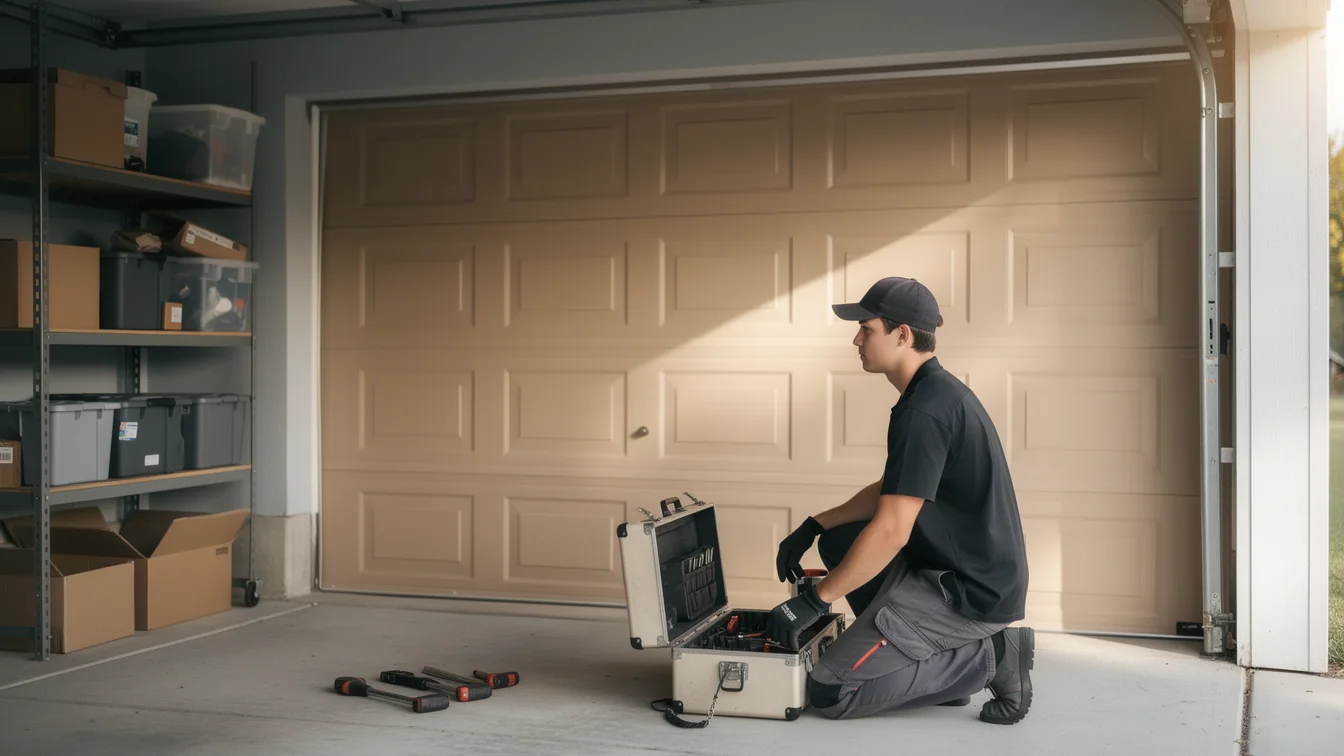 What We Actually Check on a Sunnyvale Service Call
Sunnyvale homeowners: see what a garage door service call actually checks, from 1960s hardware to mild-climate wear, before you book a repair.
Ready when you are
Need a garage door sorted in Sunnyvale?
Sunnyvale Garage Door Pros repairs and installs garage doors, springs and openers in Sunnyvale, CA and the surrounding area.