
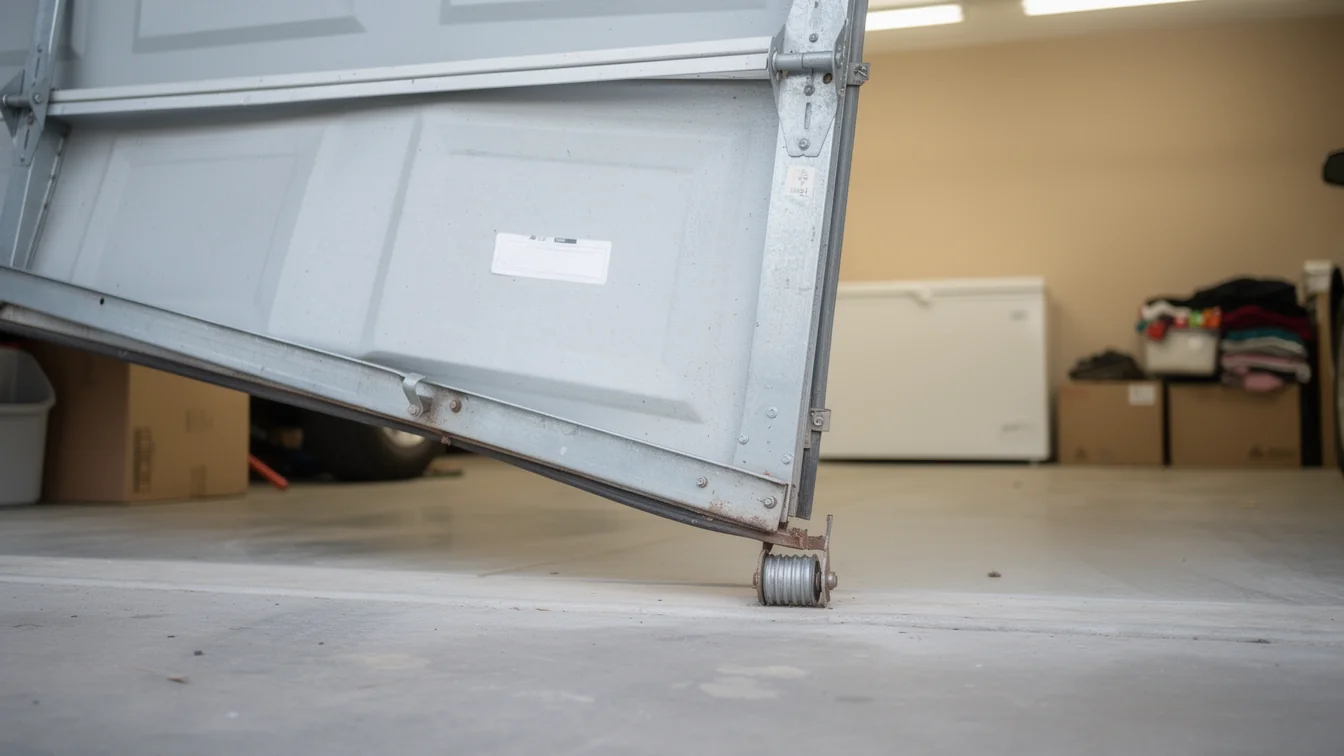
 Why a Garage Door Goes Off Track in Sunnyvale
Sunnyvale's 1960s-era tract homes and mild climate mean tracks drift for reasons different from newer builds.
What That Noise Really Means on a Sunnyvale Garage Door
Most Sunnyvale garage doors date to the 1960s and 70s. Here's what grinding, popping, and banging mean on hardware this old, and when to call.
Local detail
What the Weather Here Does to It
Sunnyvale sits in a mild temperate band, and that cuts both ways for a garage door. You don't get the freeze-thaw cycles that snap springs overnight or the swings that warp wood panels fast, so a lot of hardware here just keeps running long past when it should've been swapped out. The problem is that mild weather hides wear instead of forcing it into the open. A track that's slowly gone out of alignment doesn't announce itself with a sudden crack the way it might somewhere with hard winters - it just gets a little noisier every month until one day it's a grinding sound you can't ignore. Across the 30-some neighborhoods we work in, from Old Mountain View to Cuesta Park to Alviso, the doors that fail suddenly are almost always ones that were making a sound for a year before anyone called about it. Mild climate doesn't mean no wear. It means the wear is quiet, and quiet is easy to put off.
The area
When to Get Help
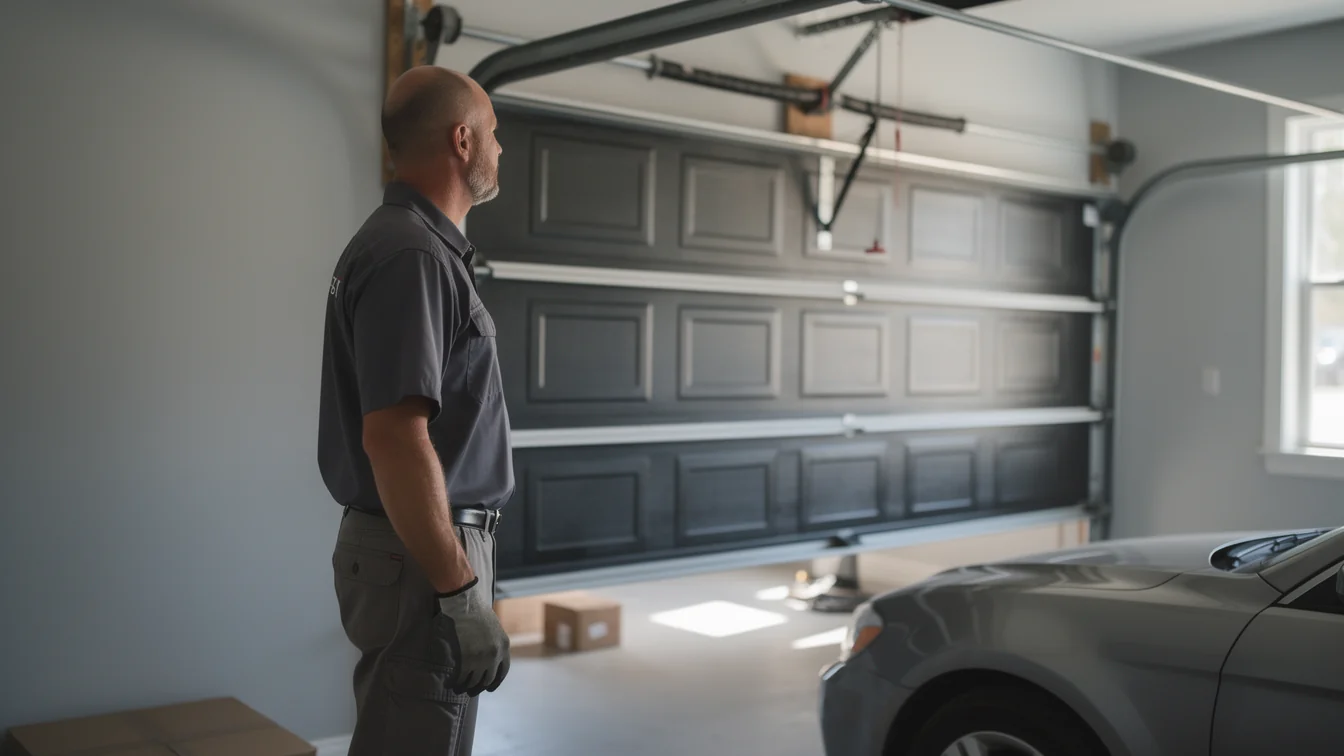
A lot of Sunnyvale houses were built between 1947 and 1987, with most of that stock going up in the 1960s and 70s - which means a lot of original or first-replacement garage door hardware that's now 40 to 60 years old. On hardware that age, a rhythmic thump as the door moves usually means a roller that's worn flat on one side, and that's a quick fix. A sharp bang followed by the door refusing to move is almost always a broken torsion spring, and that's not a DIY job - the spring is under real tension and it can hurt you. A high-pitched squeal that gets worse over weeks is usually just a dry hinge or roller, cheap to fix if you catch it early. The line we draw: if the door still opens and closes but sounds rough, that's a maintenance call. If the door won't move, or moves unevenly side to side, stop using it and call before you try to force it.
What we find
The Situation
Because so much of the housing stock across this service area - 110,090 owner-occupied houses out of nearly 298,406 households - dates to the same narrow window, we see the same handful of failure points over and over. Doors installed in the 1960s and 70s original construction often still run on the hardware that came with the house, or a single replacement from decades back. That means springs rated for a lifespan that's already been exceeded, tracks bolted with fasteners that have loosened over fifty-plus years of settling, and openers that predate any of the safety-reversal standards in use now. None of that is unique to one street - it's the nature of a neighborhood that mostly went up in a twenty-year window. The honest limitation here: if your door and opener are both original to a 1960s build, a repair sometimes costs more over a year than just replacing the unit once. We'll tell you when that's the case instead of patching it three times.
How we work
What to Check
Before you call, stand in the garage and listen with the door open and closed a couple of times. Grinding low in the track usually means a bent section or a roller that needs replacing - common on houses that have had the same track since original construction. A loud pop with no movement is a spring, and you should stop there and not touch the release cord. Squeaking that fades after you move the door a few times but comes right back is a lubrication issue, not usually urgent. Uneven movement, where one side of the door is visibly ahead of the other, often points to cable or spring trouble on older systems and shouldn't wait. If you're not sure what you're hearing, that's a fair reason to call rather than guess - a five-minute listen over the phone can usually tell us whether it's a same-day problem or something that can wait a week.
Questions
Common questions
Why does my garage door sound different than it used to even though nothing's broken?
On houses built in the 1960s and 70s, which covers most of this area, hardware wears slowly in mild weather instead of failing suddenly. A gradual change in sound - more grinding, a new squeak - usually means a roller or hinge is wearing out, not that something's about to fail today. Worth checking before it gets worse.
Is a banging noise always the spring?
A sharp bang followed by the door not moving is almost always a broken torsion spring, especially on older hardware common across Sunnyvale's 1960s-70s housing stock. If the door still moves after the bang, it could be a loose bracket instead. Either way, don't force the door - call and describe the sound.
My house is from the 1960s and the opener still works fine. Should I replace it anyway?
Not necessarily just because of age, but an opener that old predates current safety-reversal standards. If it's making new noises or the door doesn't reverse cleanly when it hits something, that's worth a visit rather than waiting for a full failure.
Recommendation
You Might Also Like
More garage door guides for Sunnyvale homeowners.
Why a Garage Door Goes Off Track in Sunnyvale
Sunnyvale's 1960s-era tract homes and mild climate mean tracks drift for reasons different from newer builds.
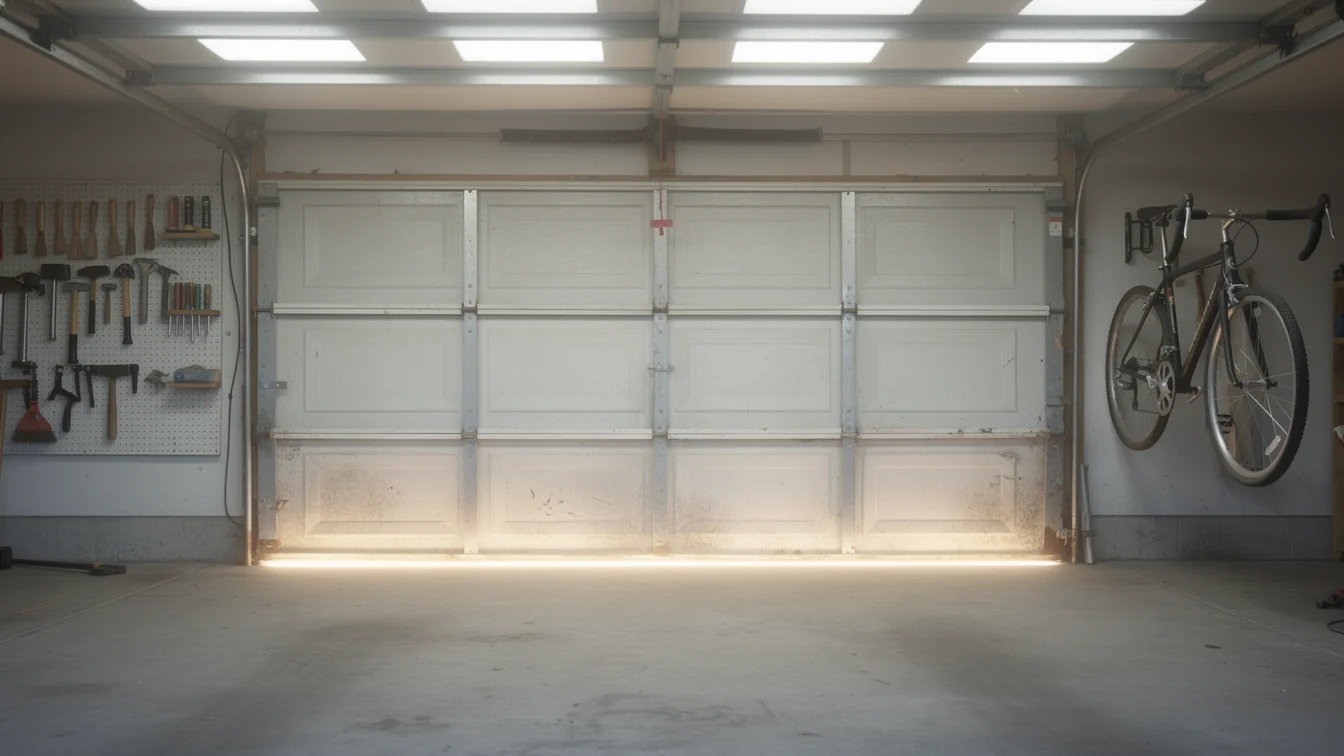 What an Uninsulated Door Does to a Sunnyvale Garage
Sunnyvale homes built 1947-1987 often have garage doors with no insulation layer at all.
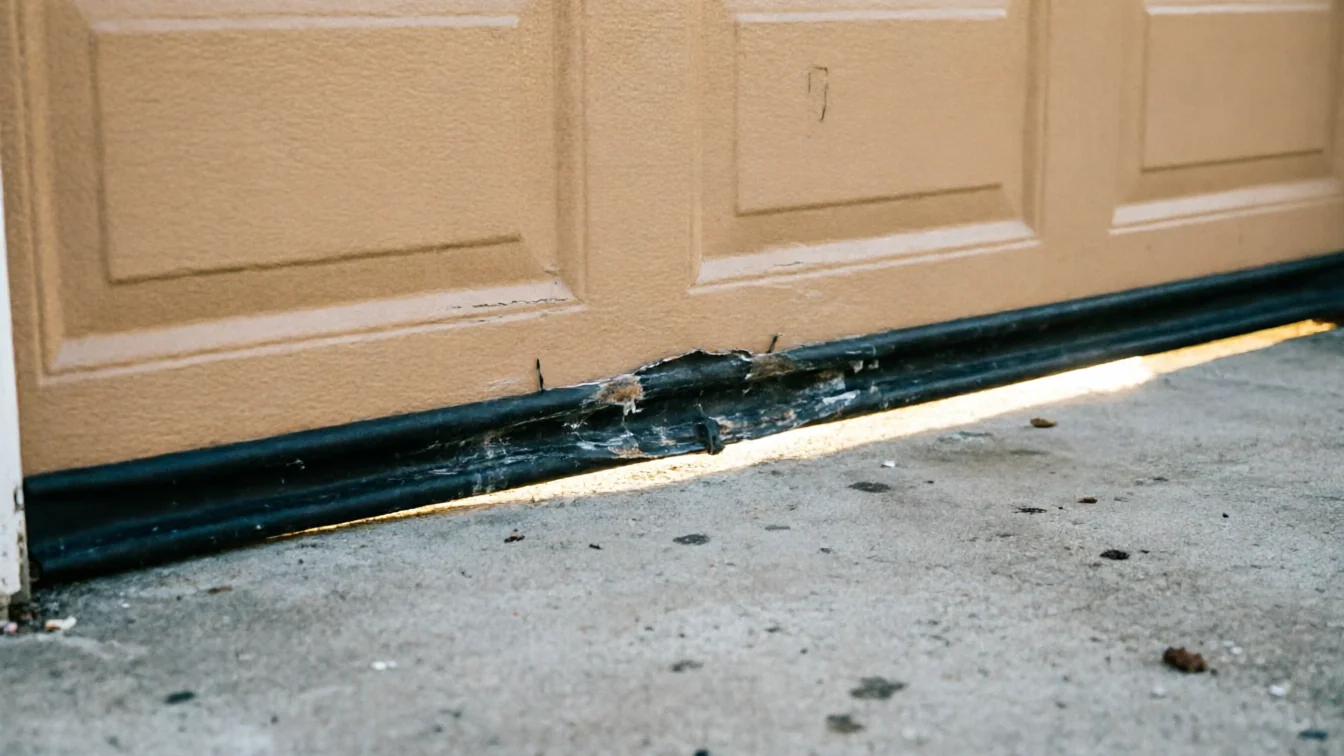 Weather Seals and Draughts in Sunnyvale: What Your Garage Door Needs
How Sunnyvale's mild climate and 1947-1987 housing stock wear down garage door seals, what draughts mean, and what to check before you call for a repair.
Ready when you are
Need a garage door sorted in Sunnyvale?
Sunnyvale Garage Door Pros repairs and installs garage doors, springs and openers in Sunnyvale, CA and the surrounding area.