
Single spring failure
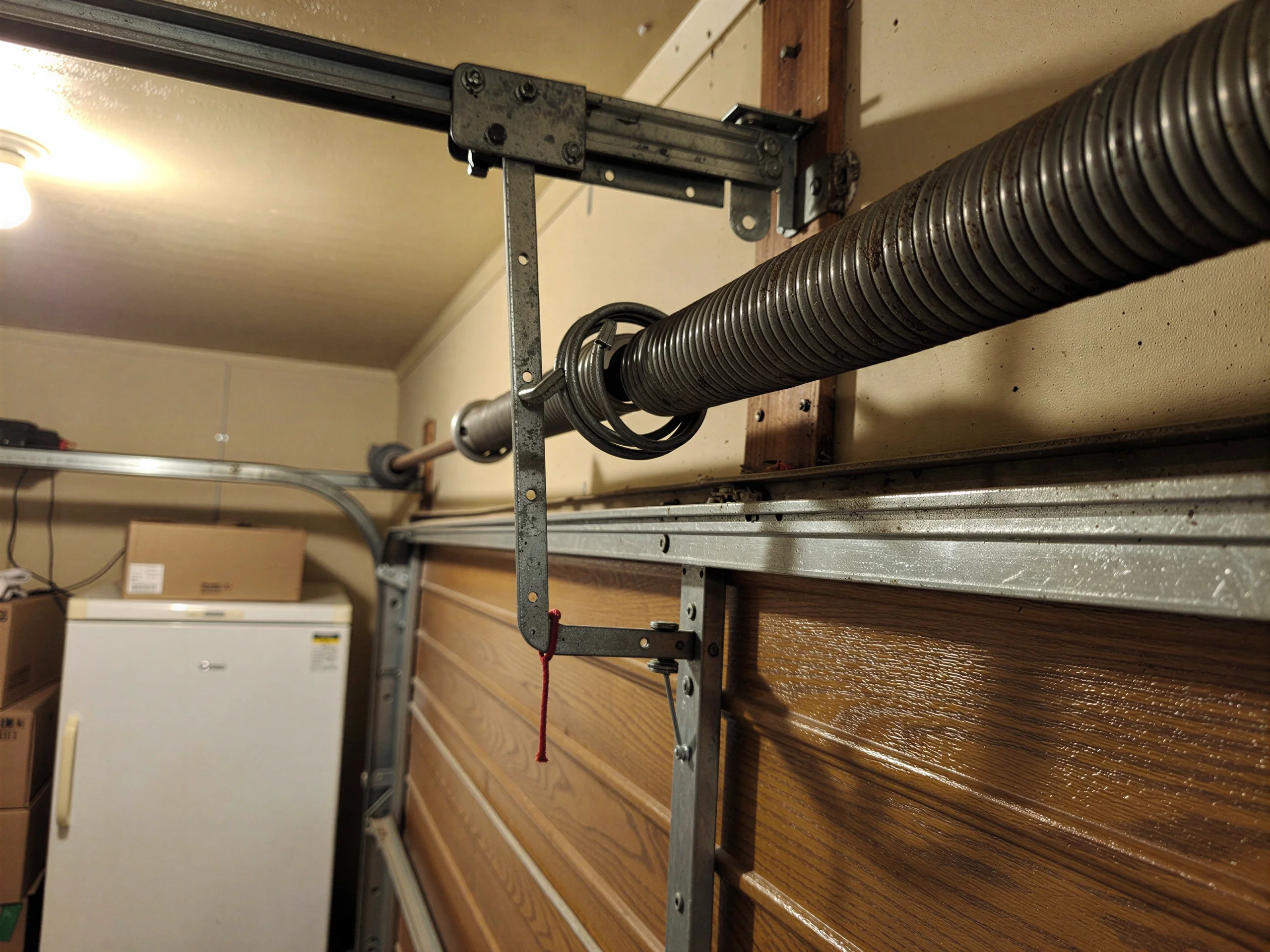
On a two-car garage, a single snapped spring can keep the door from lifting at all, since most homes here still run one spring sized for a door built decades ago.
Sunnyvale, CA
Garage door repair for Sunnyvale's 1960s and 70s homes - torsion springs, worn rollers, and openers that fail from decades of daily use in mild coastal temperatures.
Watch-outs
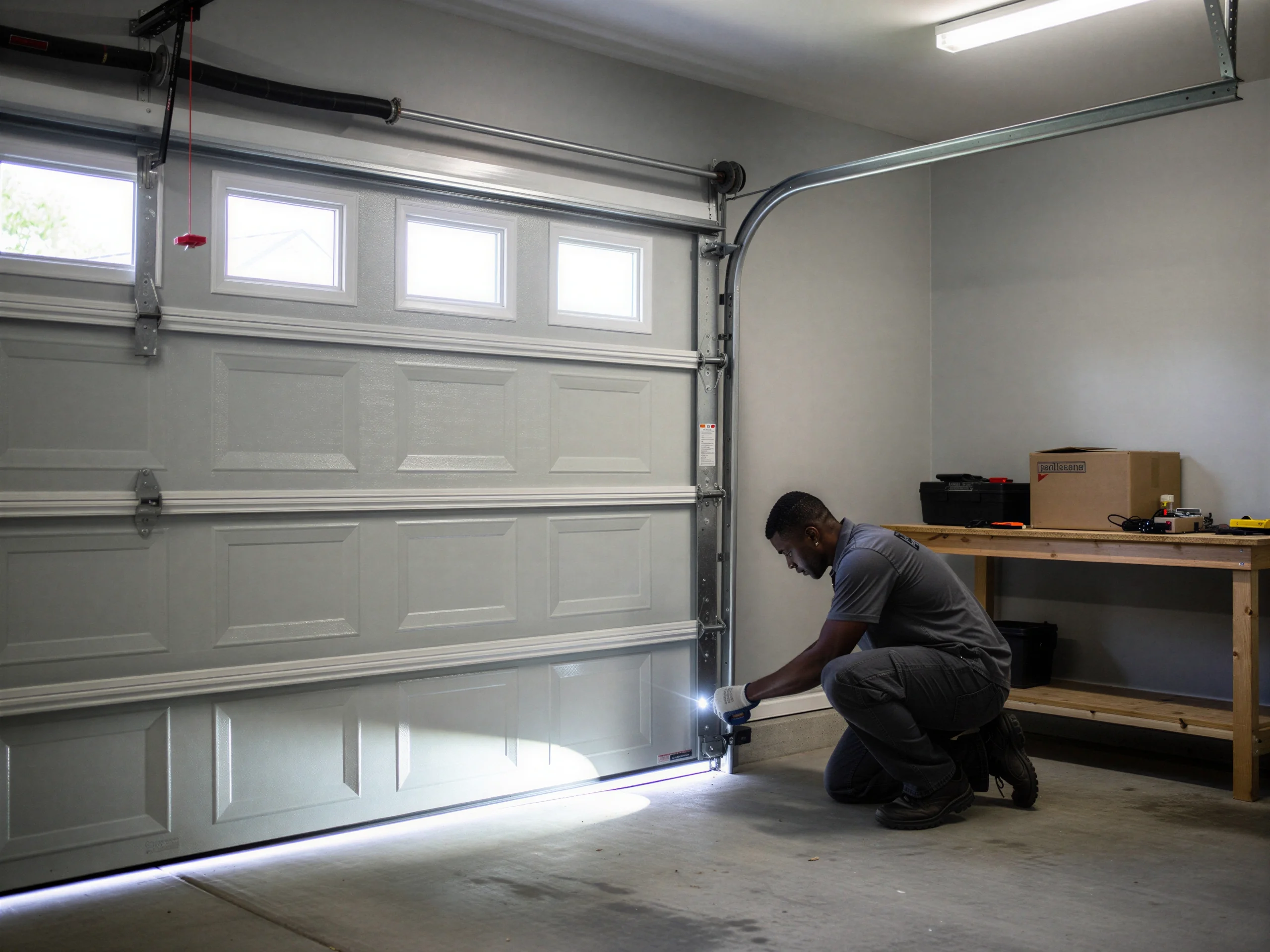
Most garage door calls in Sunnyvale come down to a handful of failures: a broken torsion spring, a cable that's jumped the drum, rollers worn down to the core, or an opener that strains and stops mid-cycle.
On a two-car garage, a single snapped spring can keep the door from lifting at all, since most homes here still run one spring sized for a door built decades ago.
Track misalignment is common too - a door that's been opened and closed thousands of times slowly walks the rollers out of the track, especially on the older steel track sets you still find on original garages in this area.
We also see a fair number of bent bottom panels, usually from a car bumper or a cart, which throws off the whole travel path even when the opener and springs are fine. None of these are dramatic failures. They're wear failures, and they show up gradually before the door quits in one go.
Symptoms
The door that won't budge, or only makes it a foot before stopping, is the single most common call we take. Right behind it: a loud bang from the garage followed by a door that won't lift by hand or by opener - that's almost always a torsion spring letting go after years of cycling. You'll also hear a grinding or scraping sound as the door travels, which points to rollers that have worn past their nylon or rubber coating and are now running metal-on-metal in the track. Some owners describe a door that reverses on its own partway down - that's usually a sensor or a cable problem, not the opener motor itself. If your door sags to one side when it's open, that's a cable or spring issue on that side, not a track problem, and it's worth a look before the hardware on the other side starts taking the extra load and fails too.
Local causes
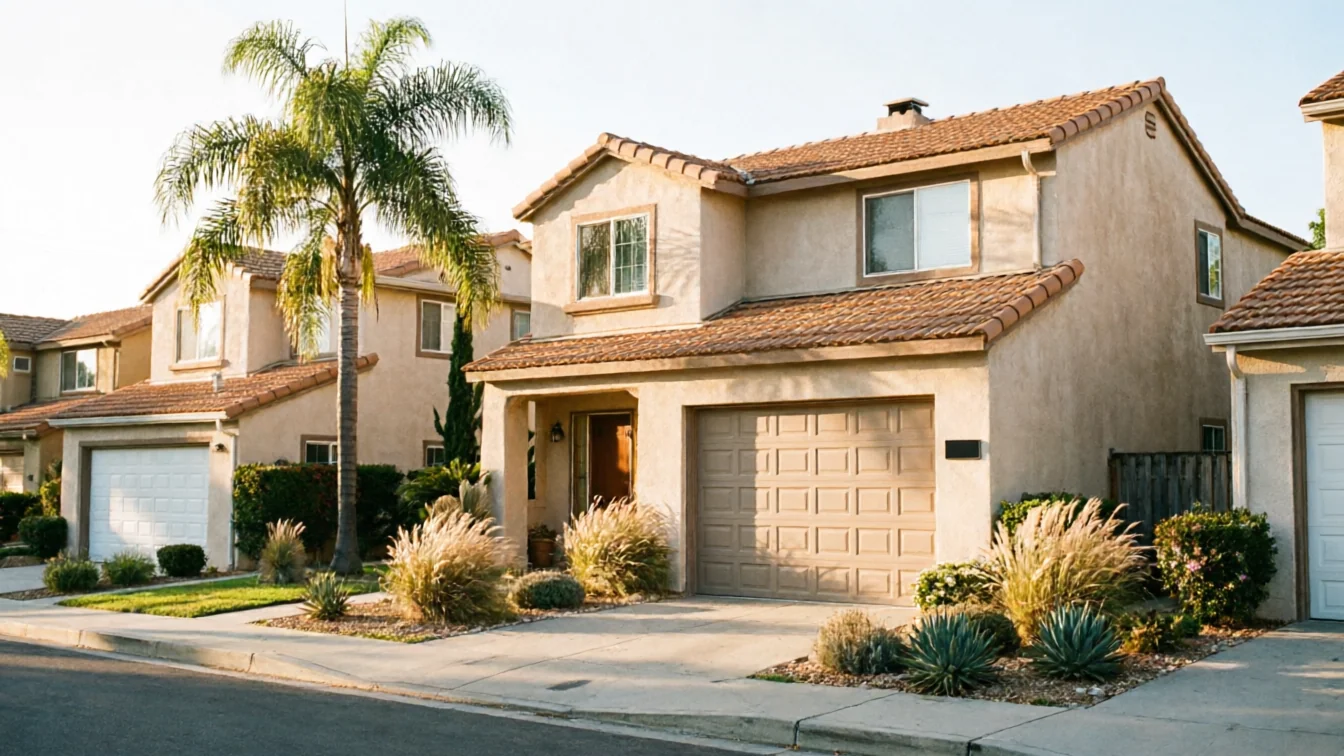
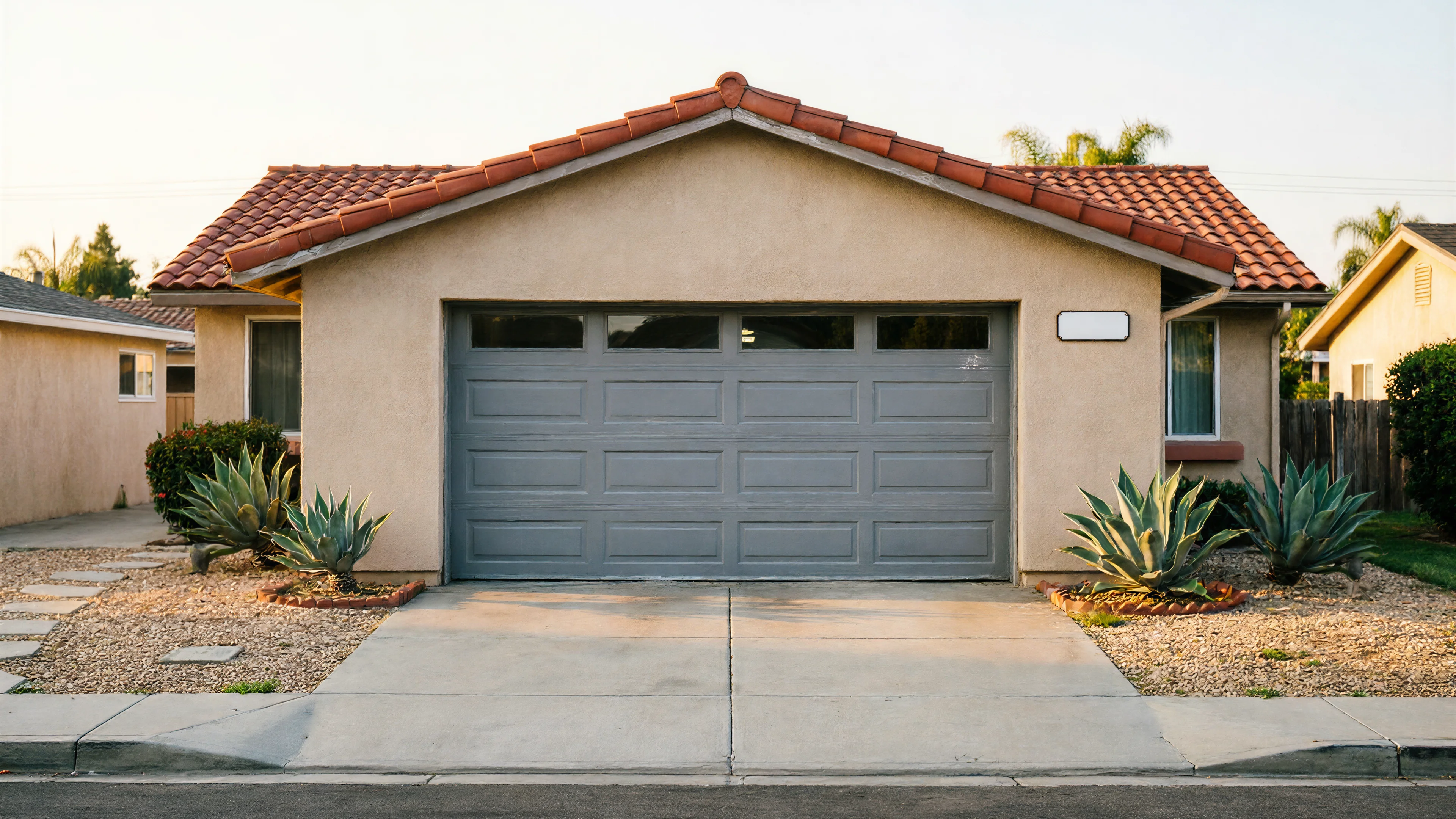
Sunnyvale's housing stock is mostly from 1947 to 1987, with a median build year around 1964, and that matters directly here. A garage door and its hardware have a duty cycle - a number of open-close cycles before springs, rollers, and cables wear out - and a door installed when the house was built, or even once replaced since, has had 40 to 60 years to rack up that mileage. Across the roughly 30 named areas that make up this part of the valley, from Old Mountain View to Cuesta Park to Alta Mesa, that 1960s-70s stock shares the same pattern: original steel track, a single torsion spring sized to older building standards, and openers that have been replaced once but rarely paired with new track hardware. The mild, temperate climate here is actually a break for garage doors - no deep freeze, no heavy snow load - so the wear you see isn't weather damage like it would be in a harsher climate. It's cycle count and age, plain and simple, which is why the same handful of failures keeps showing up in the same vintage of house.
Pricing
We don't post a flat price for garage door repair because the job itself decides the cost - a roller swap is a different job from a torsion spring replacement on a double door, and a bent track takes longer to true up than it does to replace outright.
What we can tell you is what drives the number: which part failed, whether it's a single or double door, and whether the opener itself is affected or just the door mechanics.
One honest limitation: if your door is original to a house built in the 1960s, parts for that exact track and spring configuration aren't always on the shelf anymore, and matching hardware can take longer to source than the repair itself.
In those cases we'll tell you straight whether it's worth repairing the old hardware or replacing it with current parts, rather than quoting a patch job that won't hold.
Questions
Torsion springs fail by cycle count, not by a single event, so there's rarely a warning beyond maybe a visible gap in the coil. Houses in this part of the valley built in the 1960s and 70s have had decades of daily cycles on the original spring sizing, so a sudden snap after years of normal use is the expected pattern here, not a sign of misuse.
Not likely. Sunnyvale sits in a mild temperate climate band without the extreme heat or cold swings that cause metal expansion problems elsewhere, so a sticking or binding door here is almost always a track alignment or roller wear issue, not a temperature issue.
That's almost always the door side - most often a broken spring or a snapped cable - not the opener motor. The opener isn't built to lift a door's full weight without spring assistance, so when the spring goes, the motor just strains and stalls even though it's working fine.
Sometimes, but not always on the shelf. A lot of the original steel track and single-spring setups from homes built in that era aren't common stock anymore, so we'll check what's available and tell you honestly whether matching the old hardware or upgrading to current parts makes more sense for your door.
Explore more
Ready when you are
Sunnyvale Garage Door Pros repairs and installs garage doors, springs and openers in Sunnyvale, CA and the surrounding area.