
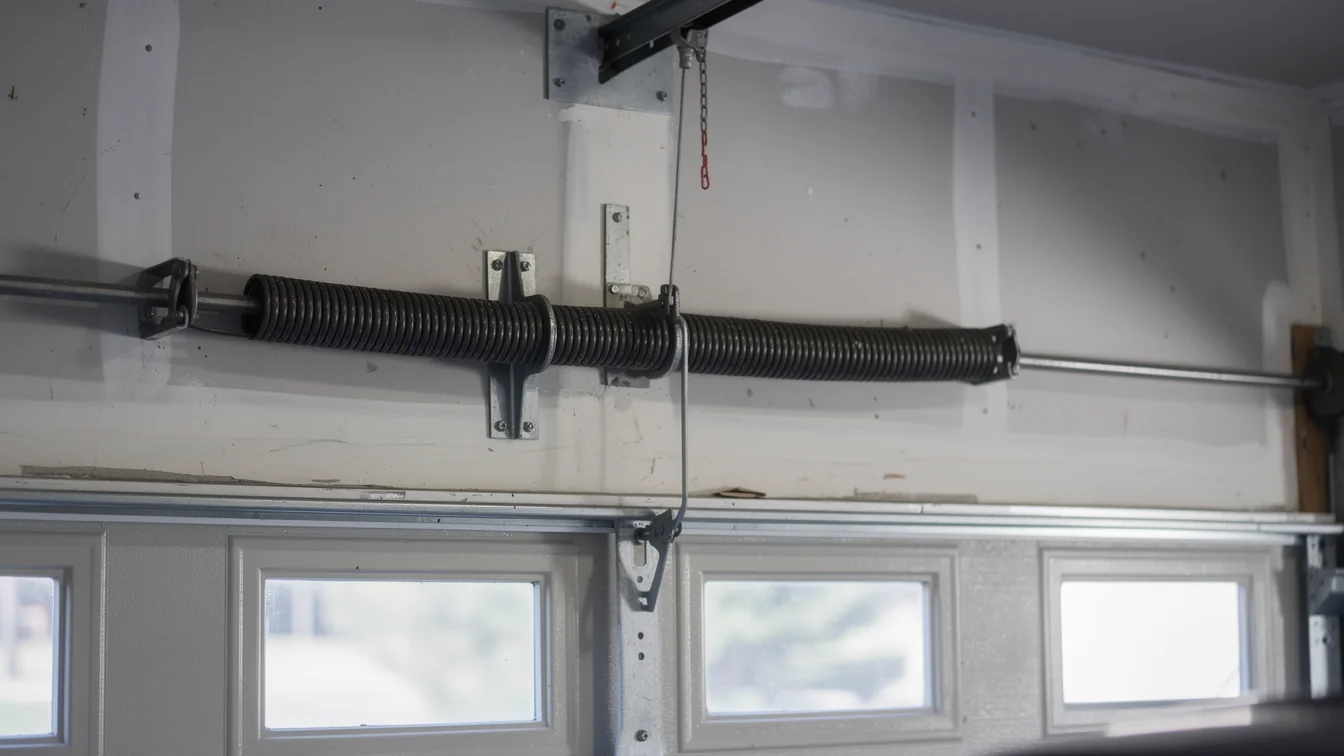
 What Really Breaks a Spring in Sunnyvale
Sunnyvale's mild climate hides a different problem: 1960s-era torsion springs in homes built 1947-1987 that are simply worn out.
What an Uninsulated Door Does to a Sunnyvale Garage
Sunnyvale homes built 1947-1987 often have garage doors with no insulation layer at all. Here's what that means for the door itself, not just your energy bill.
Local detail
What the Weather Here Does to It
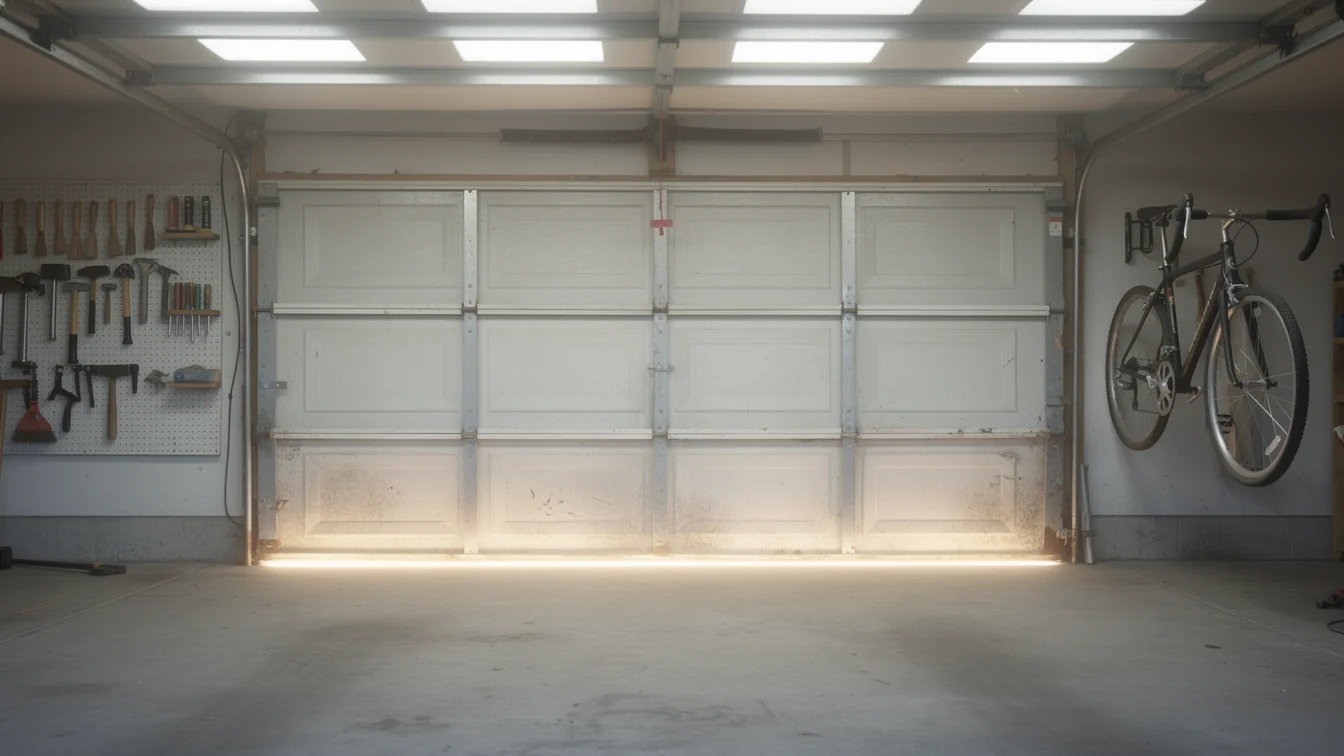
Sunnyvale sits in a mild temperate band, so we don't get the freeze-thaw cycles that crack panels in colder states. That's the good news. The bad news is that most of the city's housing went up between 1947 and 1987, with the median build year around 1964, and a lot of those doors are the original single-layer steel or wood panel with no foam core behind it. In a mild climate that door doesn't fight ice, but it does flex. Single-layer steel moves with temperature swings through the day - cool mornings, warm afternoons - and over decades that daily flex works screws loose in the top bracket and stretches the hinge holes until the panel rattles on its track. You won't see rust from snowmelt here. You'll see wallowed-out screw holes and a panel that's slowly going oval at the corners, which is a slower failure but a real one.
The steady mild weather also means these old doors rarely get replaced on a weather-damage insurance claim. Nobody's filing a claim for a door that's merely tired. That means a huge share of the original 1960s and 70s stock across neighborhoods like Old Mountain View, Cuesta Park, and North Los Altos is still out there, quietly working loose, with no storm to force the issue.
The area
When to Get Help
Call before the door stops working, not after. If a single-layer panel from the 1960s or 70s is starting to flex visibly when it opens - you can see the steel bow a little at the midpoint - that's not a lubrication problem, that's the panel itself fatiguing. Lubricant won't fix a bowed skin. Same goes for a door that's noticeably louder than it used to be at the same time of day; that's usually the hinge holes elongating, not the opener.
Get someone out before a spring on one of these older doors fails outright. A torsion spring sized for a door from 1964 was sized for the materials of 1964, and if a previous owner swapped in a heavier insulated replacement panel without resizing the spring, the spring is working harder than it was built for every single cycle. That's a slow failure you can catch, or a sudden one you can't - the difference is whether someone looked at it first.
What we find
The Situation
Across the Sunnyvale area, roughly 110,090 of the 298,406 households are owner-occupied houses, and the bulk of that stock dates to the same mid-century building wave - 1947 to 1987, centered on 1964. Insulation requirements for garage doors weren't part of that era's building code, so a door built to code in 1964 is a door built with zero insulation requirement at all, full stop. Nobody cut corners; there was no corner to cut.
What that means in practice: a lot of these doors are original steel skins with no foam, no vinyl backing, nothing between the garage and the outside air but a thin sheet of metal. In a mild climate like this one, the comfort cost is modest - nobody's garage is freezing - but the structural cost is real. Thin uninsulated steel has less rigidity than a foam-filled panel, so it drums in the wind, dents easier from a bike handlebar, and sags slightly at the bottom over forty-plus years. If your house falls in that 1947-1987 window, which covers most of the named areas here from Heritage District to North Los Altos, there's a decent chance your door is one of these.
How we work
What to Check
Start at the bottom corners of the panel. On an uninsulated door that age, the bottom section takes the most abuse - car bumpers, hoses, kids' bikes - and it's usually the first place you'll see a dent or a soft spot where the steel has thinned. Next, open the door by hand (with the opener disconnected) and feel for flex. A door with a foam core feels stiff end to end; a bare steel skin from the 1960s or 70s will have some give in the middle.
Check the top bracket screws - the ones holding the top panel to the track hardware. On an uninsulated panel these carry more vibration than they were built to absorb over decades of flexing, and you'll often find them backed out a quarter-inch or more. Tighten them if the wood or steel underneath isn't stripped out; if it is, that's a sign the bracket needs to be reset into fresh material, not just re-tightened.
One limitation worth saying plainly: we don't recommend retrofitting insulation panels into a forty-year-old steel door just to add R-value. The labor to do it properly usually costs more than it would to put in a new insulated door, and the old hardware often isn't rated for the added weight anyway.
Questions
Common questions
Is my garage door too old to have insulation?
If your Sunnyvale house was built in the 1947-1987 window - which covers most of the city, median around 1964 - there's a good chance your original door has no foam core at all. Insulation wasn't a code requirement back then, so builders simply didn't include it. A single steel or wood skin was standard.
Does Sunnyvale's mild climate mean an uninsulated door is fine?
Mostly, yes, for comfort. You're not losing heat to a hard freeze. But the daily temperature swing still flexes thin uninsulated steel over decades, which loosens brackets and can oval out screw holes. The climate is easy on the door; the age isn't.
Should I add insulation to my old door instead of replacing it?
Usually not worth it. Retrofitting foam panels into a forty-plus-year-old steel skin takes real labor, and the original hardware often isn't rated for the extra weight a foam-filled door adds. In most cases a new insulated door costs about the same as doing the retrofit properly.
Recommendation
You Might Also Like
More garage door guides for Sunnyvale homeowners.
What Really Breaks a Spring in Sunnyvale
Sunnyvale's mild climate hides a different problem: 1960s-era torsion springs in homes built 1947-1987 that are simply worn out.
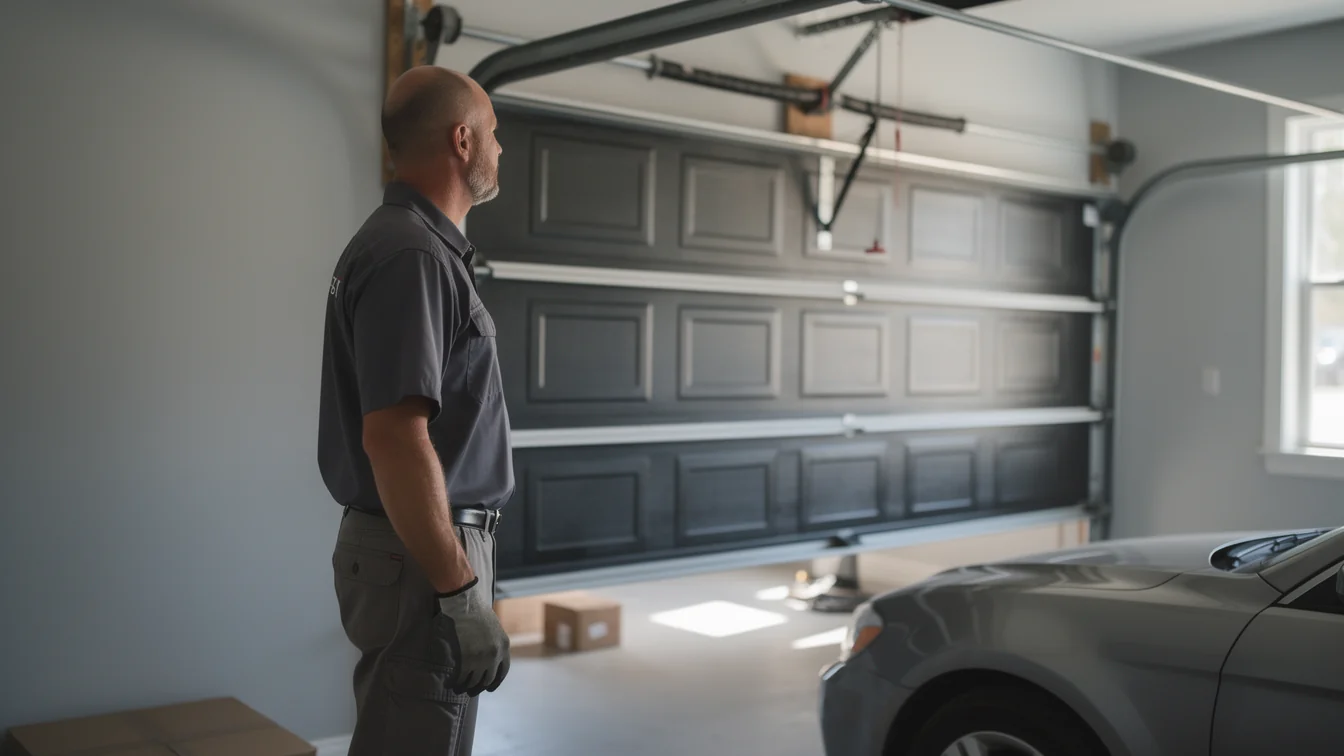 What That Noise Really Means on a Sunnyvale Garage Door
Most Sunnyvale garage doors date to the 1960s and 70s.
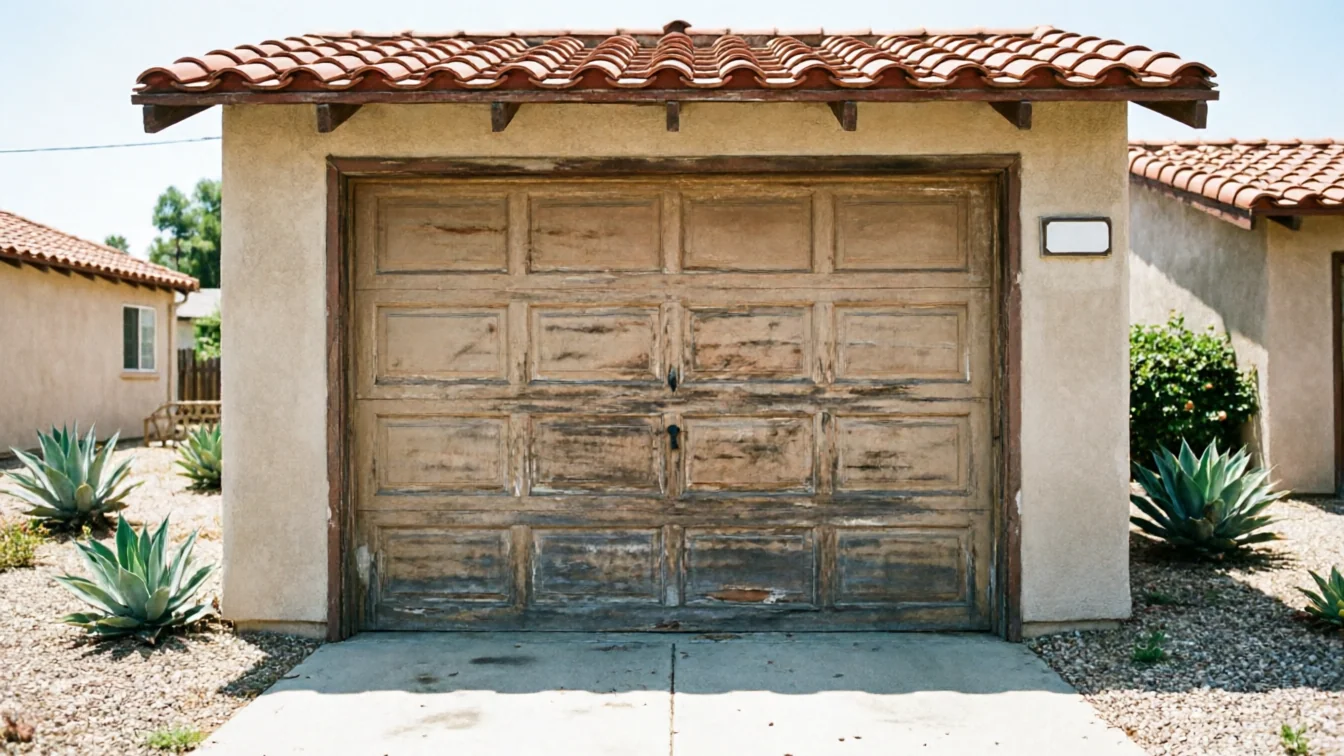 Is Your Older Sunnyvale Garage Door Worth Fixing
Sunnyvale homes mostly date 1947-1987.
Ready when you are
Need a garage door sorted in Sunnyvale?
Sunnyvale Garage Door Pros repairs and installs garage doors, springs and openers in Sunnyvale, CA and the surrounding area.