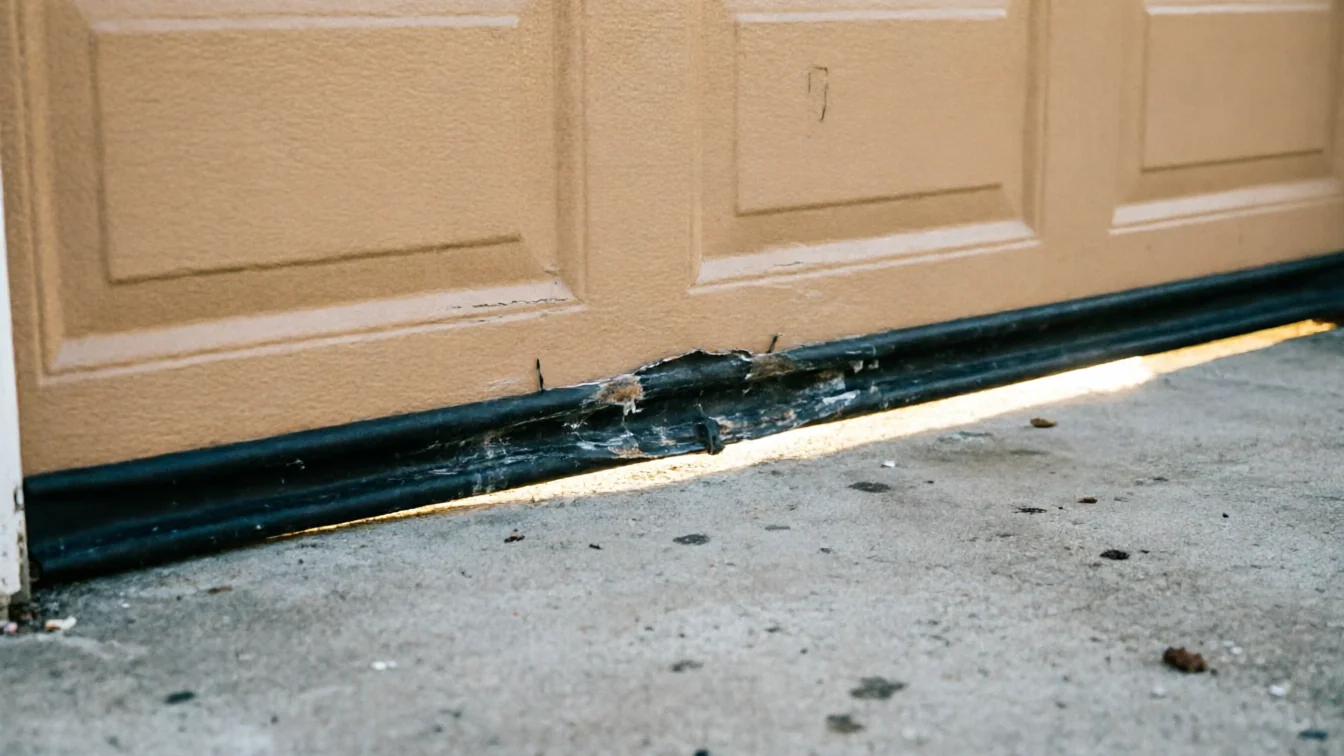
 Weather Seals and Draughts in Sunnyvale: What Your Garage Door Needs
How Sunnyvale's mild climate and 1947-1987 housing stock wear down garage door seals, what draughts mean, and what to check before you call for a repair.
Is Your Older Sunnyvale Garage Door Worth Fixing
Sunnyvale homes mostly date 1947-1987. Here's how mild local weather and that housing stock decide whether your garage door is worth repairing.
Local detail
What the Weather Here Does to It
Sunnyvale sits in a mild temperate band, no deep freezes, no monsoon season, nothing that chews through a door the way hard winters or coastal salt air do elsewhere. That's the good news for a door built in 1964, which is the median build year for houses across this service area. The bad news is that mild weather lets people put off maintenance for decades, because nothing is forcing the issue. A torsion spring or a set of rollers doesn't fail because of a storm here - it fails because it's 40 or 50 years old and nobody's lubricated it since the Nixon administration. In a harsher climate, a door tells you something's wrong. Here, it just gets quieter and stiffer, a little at a time, until one morning it doesn't move at all. That slow, uneventful wear is actually the thing to watch for. If your door is original to a house built between 1947 and 1987, which covers most of this area, the question isn't whether weather damaged it. It's whether four or five decades of ordinary use and skipped maintenance already have.
The area
When to Get Help
Call before the door stops working, not after. A door that's noticeably heavier to lift by hand than it used to be is telling you the spring is losing tension, and that's a cheaper fix today than it is after the spring snaps and the cable comes with it. Grinding, popping, or a door that jumps in the track on one side usually means a roller or hinge has had it - common on doors from the 1960s and 70s stock that makes up most of this area, since the hardware of that era wasn't built to outlast the house. If the door reverses itself coming down, or won't close all the way, stop using the opener and get it looked at; that's a safety sensor or limit issue, not something to force through. One honest limit here: if a part is specific to a door from that era and the manufacturer stopped making it, we may be waiting on a part rather than fixing it same-day. Worth knowing before you call.
What we find
The Situation
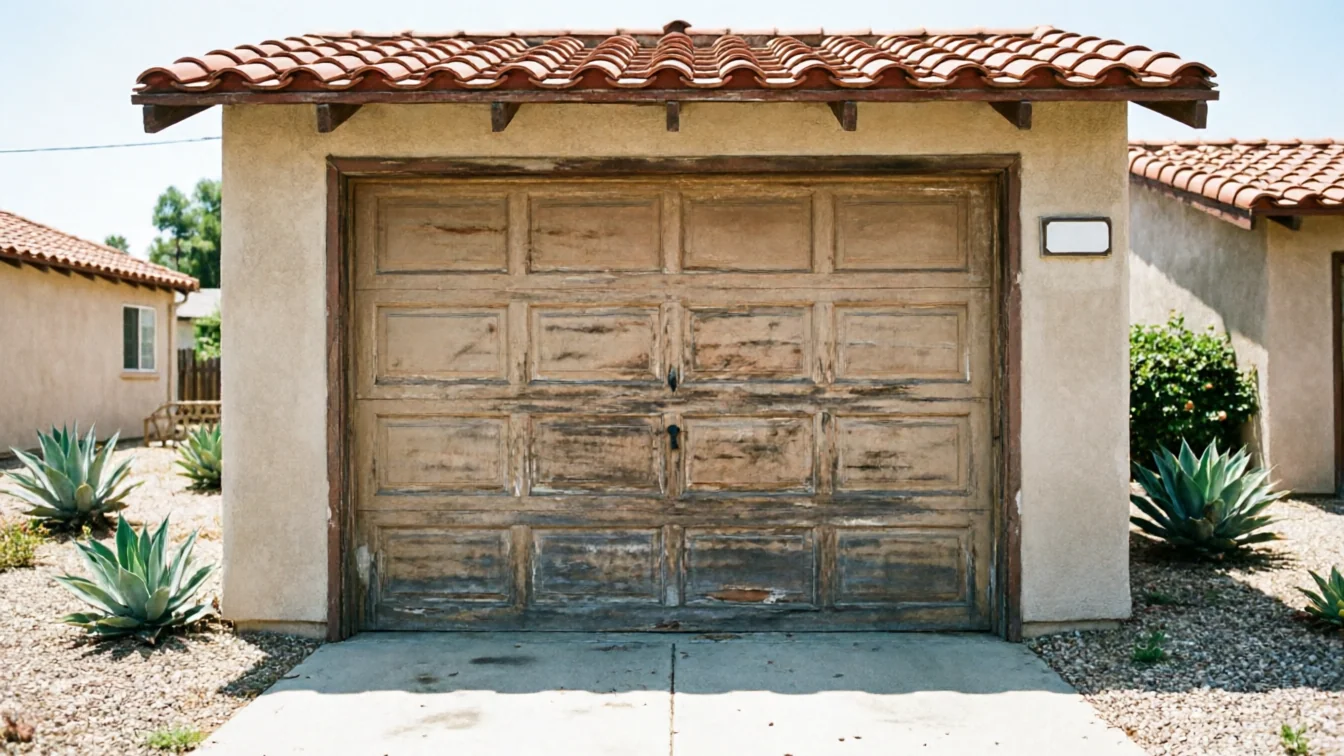
Most of the houses across this service area, including the thirty or so named neighborhoods from the Heritage District to North Los Altos, went up between 1947 and 1987, with 1964 as the rough midpoint. That means a lot of original garage doors, or at best one replacement since, on hardware that was standard for its decade but isn't what gets installed now. Steel sectional doors from the 60s and 70s often ran lighter-gauge panels and simpler spring systems than what's sold today, and the track spacing on some of those older setups doesn't match current rollers without an adapter. None of that makes the door bad. It makes it a door that needs someone who's worked on that generation of hardware to actually say whether it's fixable, rather than someone who only knows what's on the shelf right now. With median household income across the area north of $200,000, a lot of these are well-kept homes where the door is the one thing nobody's touched since move-in.
How we work
What to Check
Before you decide between a repair and a full replacement, look at a few things yourself. Lift the door by hand with the opener disconnected - it should move with one hand and stay roughly level when you let go partway. If it drops, the spring is going. Check the panels for rust at the bottom edge or delamination on the inside face; a door that's mostly sound but has one bad panel is often worth fixing, but a door that's rusted through at the bottom on both sides usually isn't. Look at the track for dents or gaps where it bolts to the frame - minor bends are adjustable, bad ones mean a new track no matter what else is wrong. And check the date, if you can find it, stamped on the inside of a panel or on the spring. A door original to a house built in the 1960s or early 70s has had a long run already, and whether it's worth another repair comes down to the condition of what's actually in front of you, not the age number alone.
Questions
Common questions
My garage door is original to a house built in the 1960s - is it worth repairing?
Often, yes, if the panels are sound and it's mainly a spring, cable, or roller problem - those are straightforward swaps. Where it stops being worth it is when the track or panels are rusted through or bent, since that's structural, not maintenance. We'd rather tell you to replace than take a repair job that won't hold.
Does Sunnyvale's weather shorten a garage door's life?
Not much on its own - the climate here is mild, without the hard freezes or salt air that wreck doors faster elsewhere. The wear you're seeing on an older door is mostly age and skipped maintenance, not storm damage, which is actually good news: there's usually less hidden damage to find.
How do I know if it's the spring or the opener?
Disconnect the opener and lift the door by hand. If it's heavy, drops on its own, or won't stay put halfway up, that's the spring. If it lifts easily by hand but the opener won't move it, the problem's in the opener or its sensors, not the door itself.
Recommendation
You Might Also Like
More garage door guides for Sunnyvale homeowners.
Weather Seals and Draughts in Sunnyvale: What Your Garage Door Needs
How Sunnyvale's mild climate and 1947-1987 housing stock wear down garage door seals, what draughts mean, and what to check before you call for a repair.
 Replacing a Garage Door in Sunnyvale
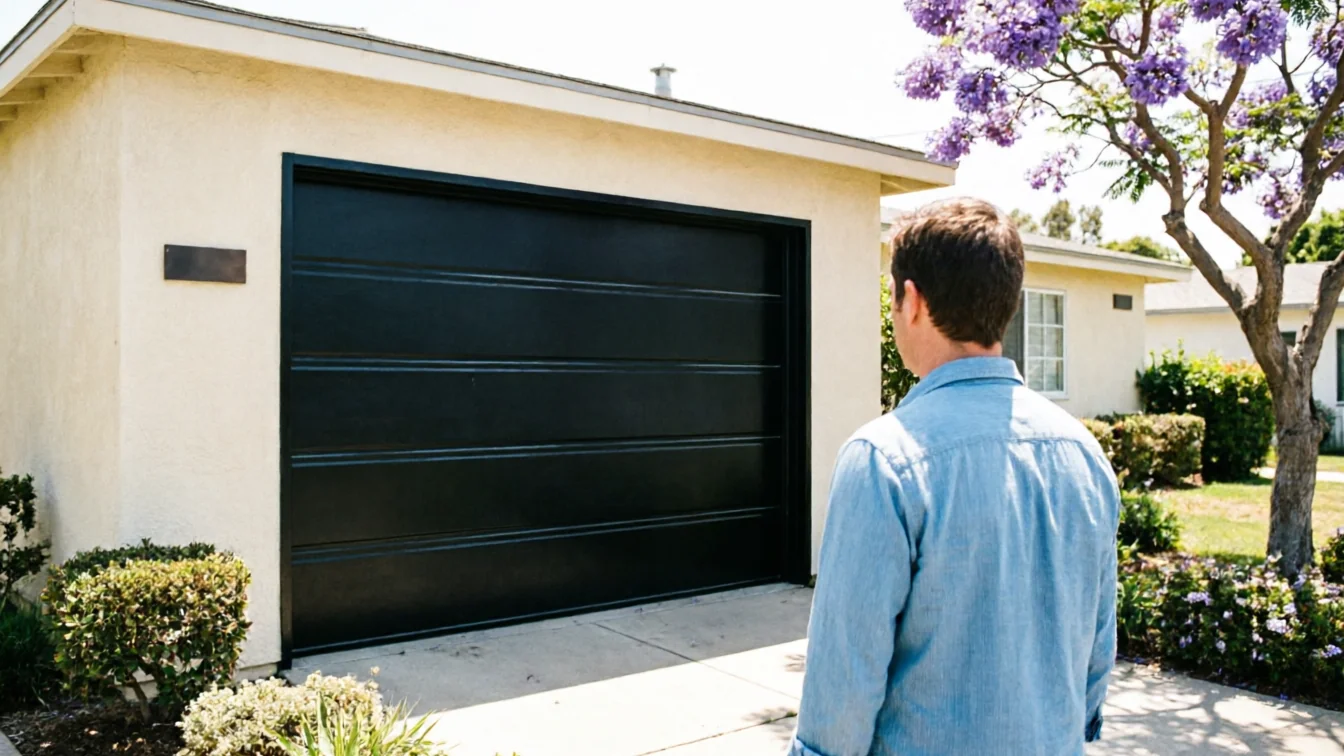
A guide for Sunnyvale homeowners on replacing a garage door, built around this area's 1960s-70s housing stock and mild coastal climate.
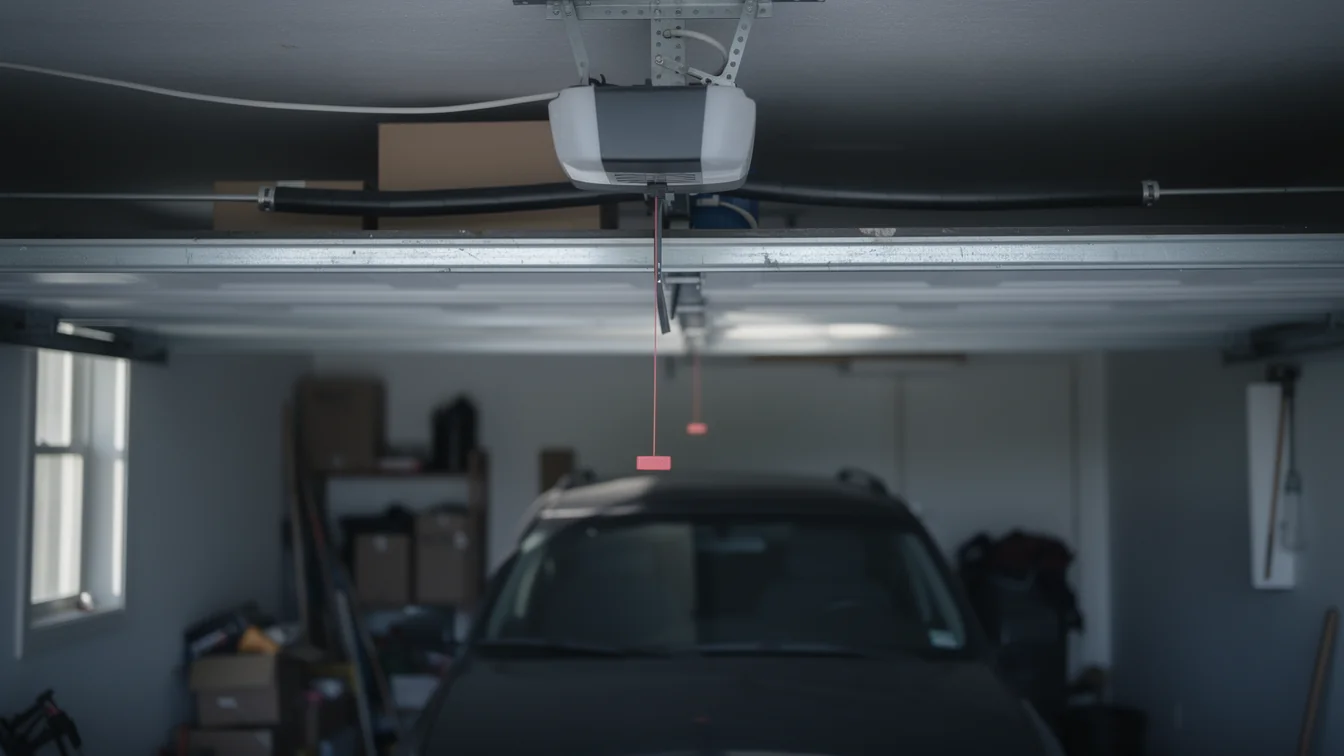 When the Power Drops and the Opener Won't Move
A look at how Sunnyvale's mild climate and 1960s-70s housing stock shape what happens to garage door openers during a power cut, and what to check first.
Ready when you are
Need a garage door sorted in Sunnyvale?
Sunnyvale Garage Door Pros repairs and installs garage doors, springs and openers in Sunnyvale, CA and the surrounding area.