
Routine visit flags
On a door with original 1960s-era hardware, that inspection usually turns up one or two items worth flagging - a roller near the end of its life, a hinge with play in it - even when nothing is actually broken yet.
Los Altos, Sunnyvale
Garage door maintenance for Los Altos homes built around 1964, serving the 10,756 households 4 miles from our Sunnyvale shop. Know what a tune-up actually covers.
Symptoms
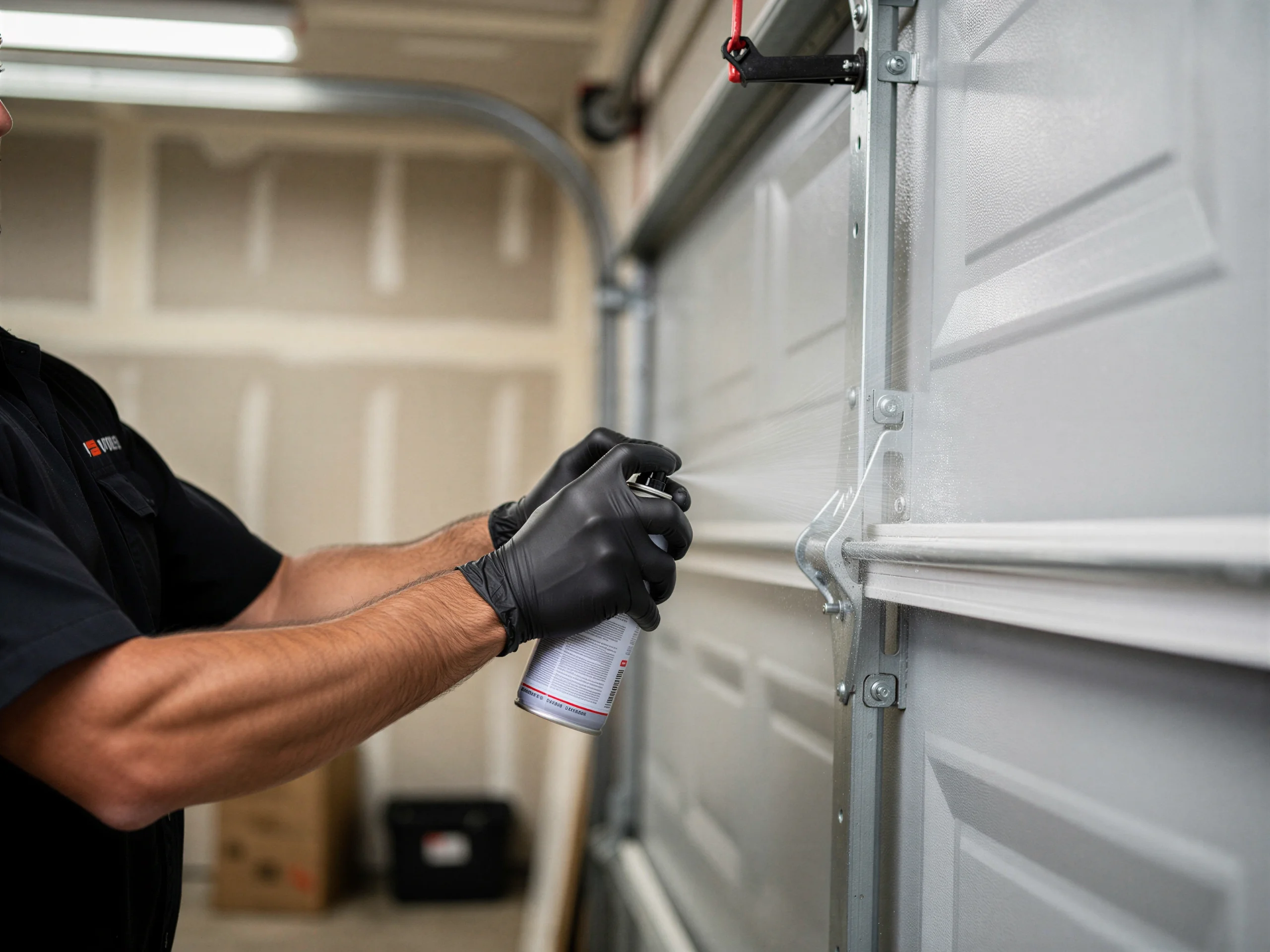
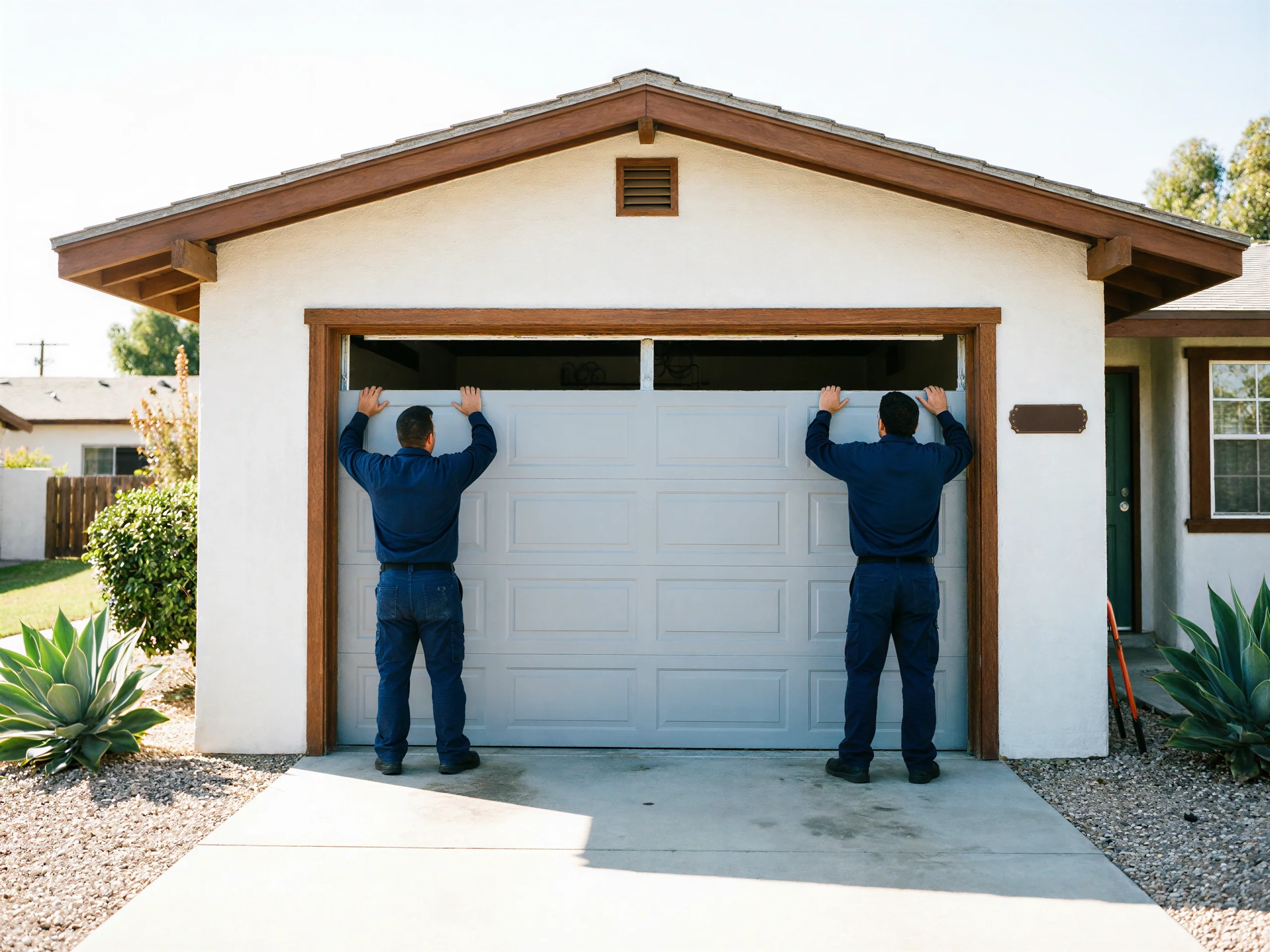
Most of the calls we get from Los Altos start the same way: the door still opens, but it's not right. It hesitates partway up, the opener strains for a second before catching, or there's a new scrape that wasn't there last month. Nothing has failed outright - that's the point. A door built around 1964, which is the median year for this town's housing stock, has had sixty years of springs stretching, hinges loosening, and track brackets working half a turn loose from the stud. None of that breaks the door on its own. It just moves the door closer to the day something does. Catching that drift before it becomes a snapped cable or a seized opener is what a maintenance visit is for - not fixing a failure, but reading the wear before it turns into one.
Timing
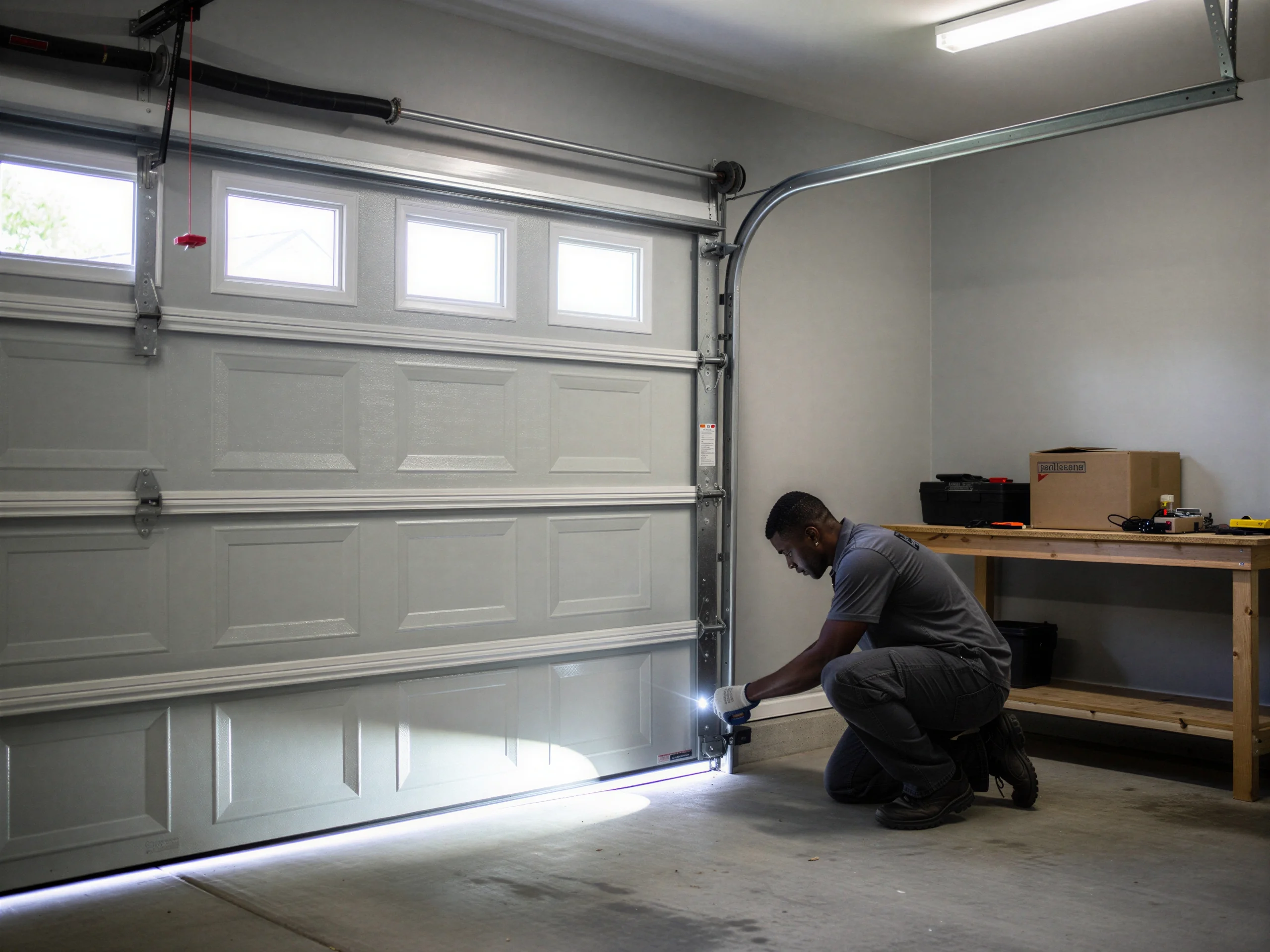
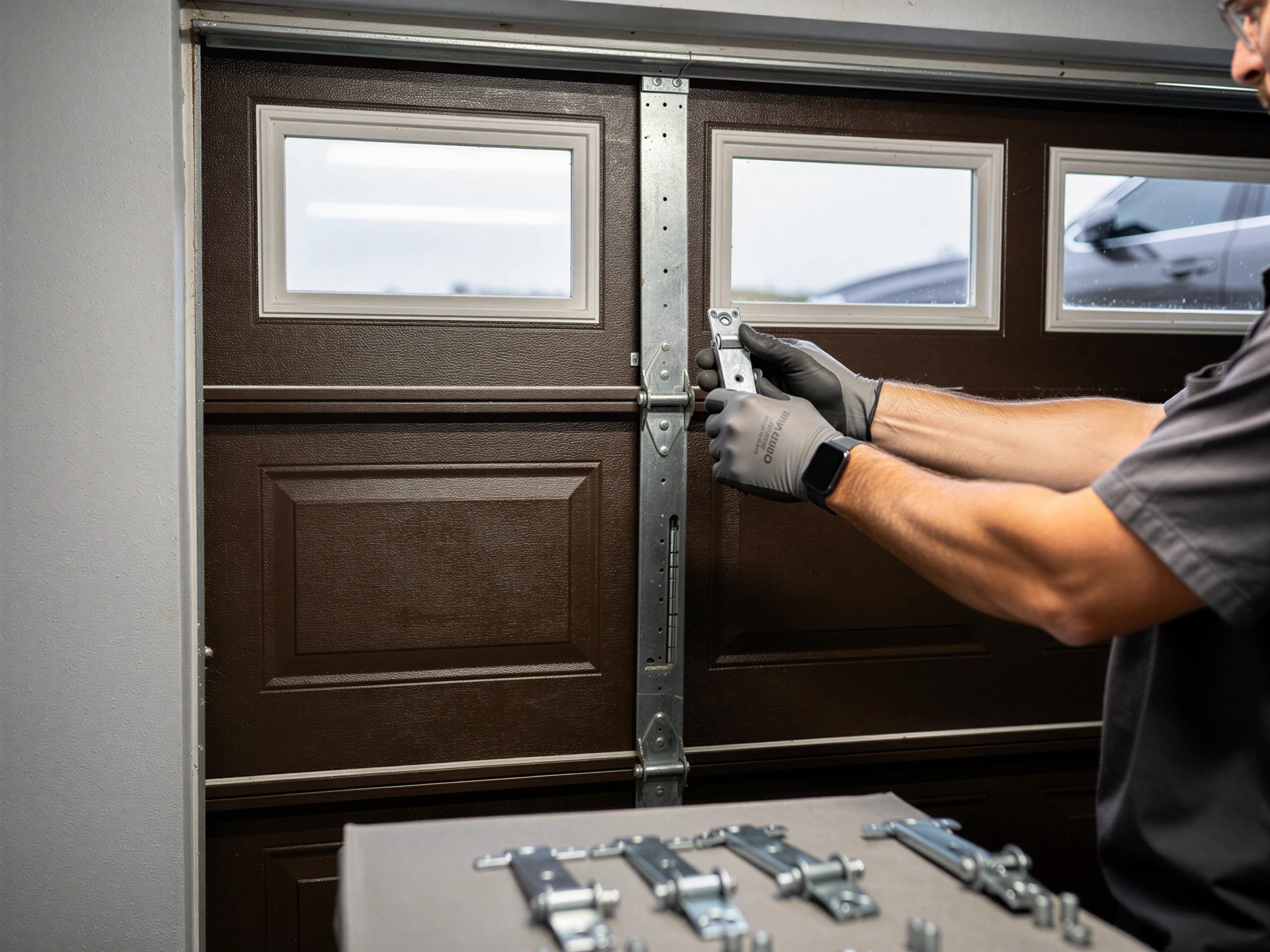
A standard tune-up on a single door doesn't take the whole afternoon. We check spring tension, inspect cables and rollers for fraying or flat spots, re-level the track, lubricate the moving hardware, and test the opener's force and travel limits.
On a door with original 1960s-era hardware, that inspection usually turns up one or two items worth flagging - a roller near the end of its life, a hinge with play in it - even when nothing is actually broken yet.
We'd rather tell you what's close to failing on a routine visit than have you find out on a Saturday morning with the car stuck inside.
Pricing
Los Altos carries a median household income of $250,001, well above the $207,750 median across the rest of the service area we cover from Sunnyvale. That matters for one specific decision: when a door is marginal, is it worth fixing or worth replacing outright? At this income level, the math often tips toward replacement sooner than it would elsewhere, simply because the labor-plus-parts cost of patching an aging door closes the gap with a new one faster. Maintenance changes that equation. A door that gets its hardware checked and lubricated regularly stays in the repair column longer, instead of crossing into replace-it territory the first time a spring goes.
Local causes
Serving Sunnyvale, CA
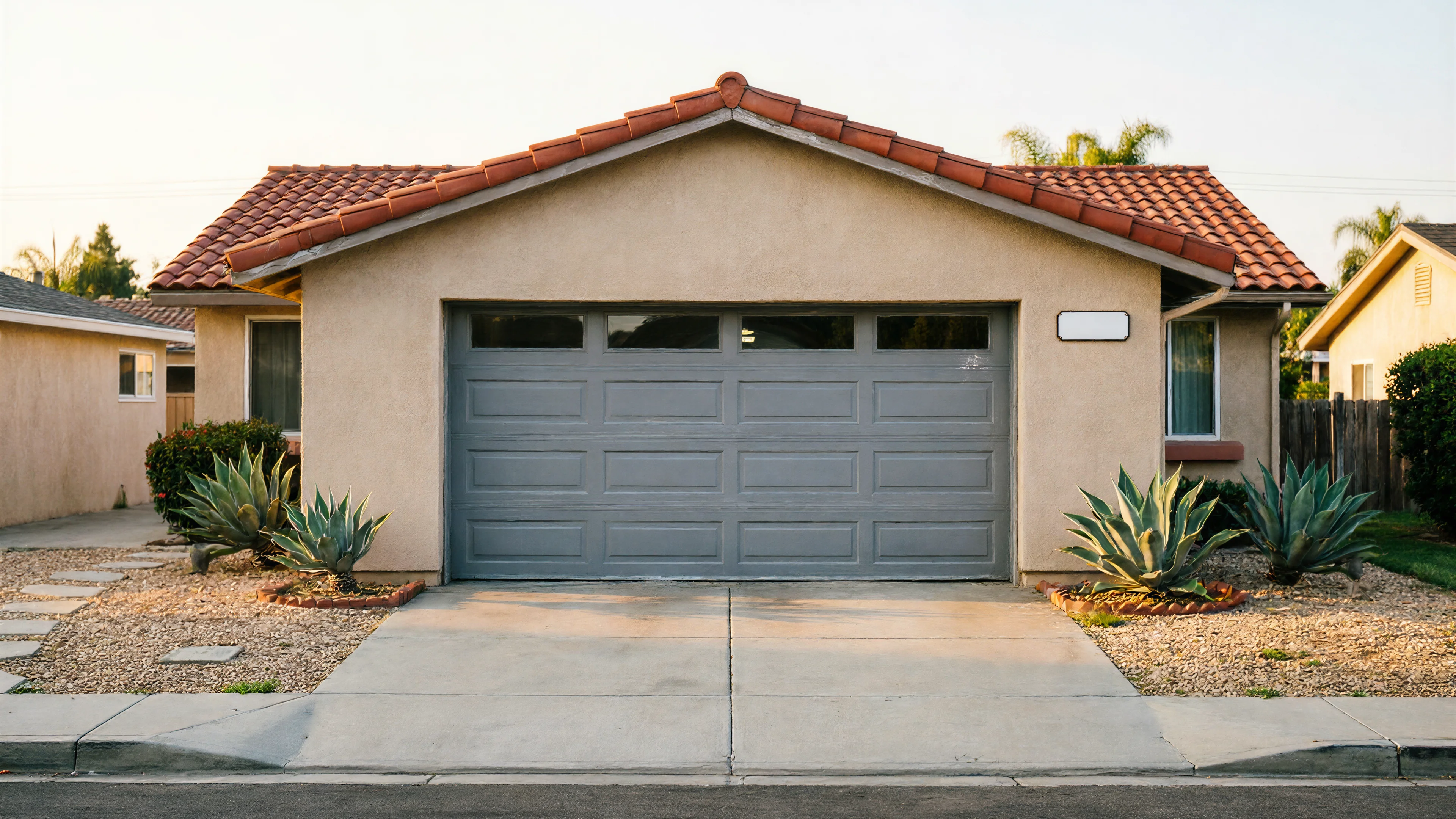
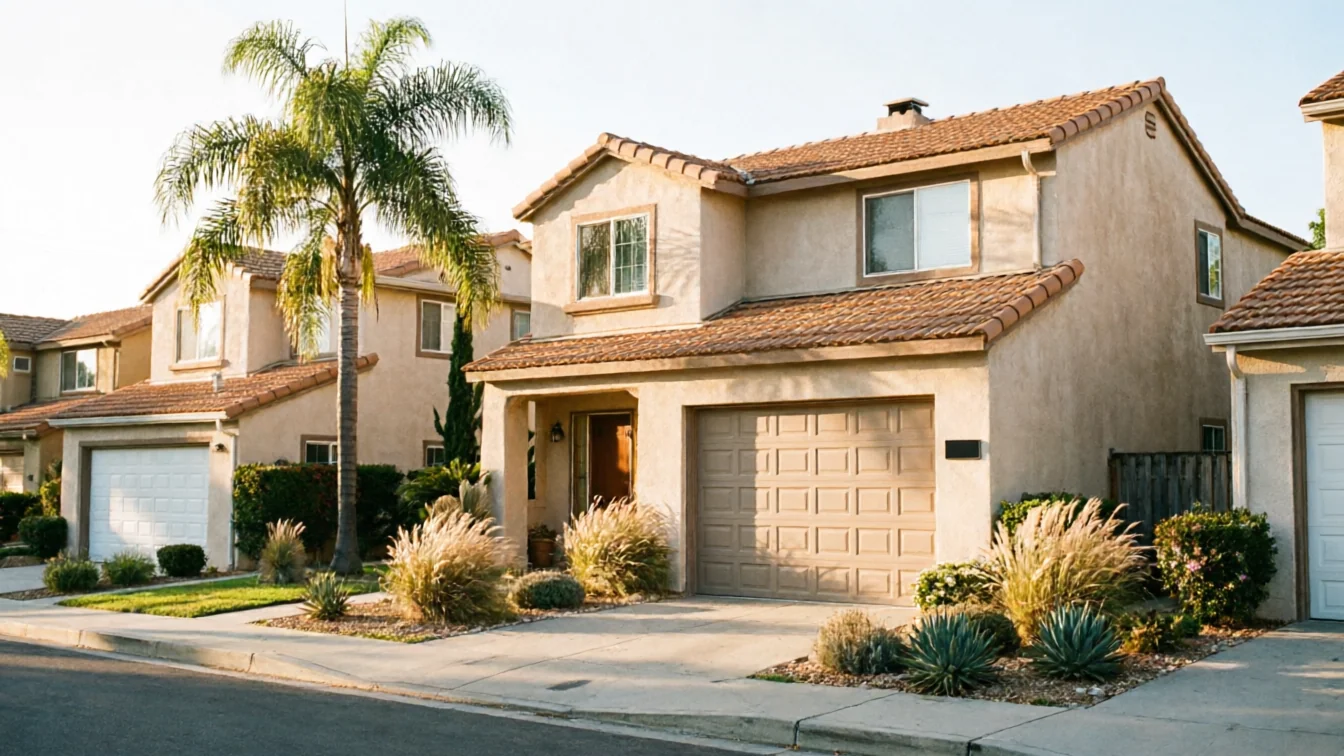
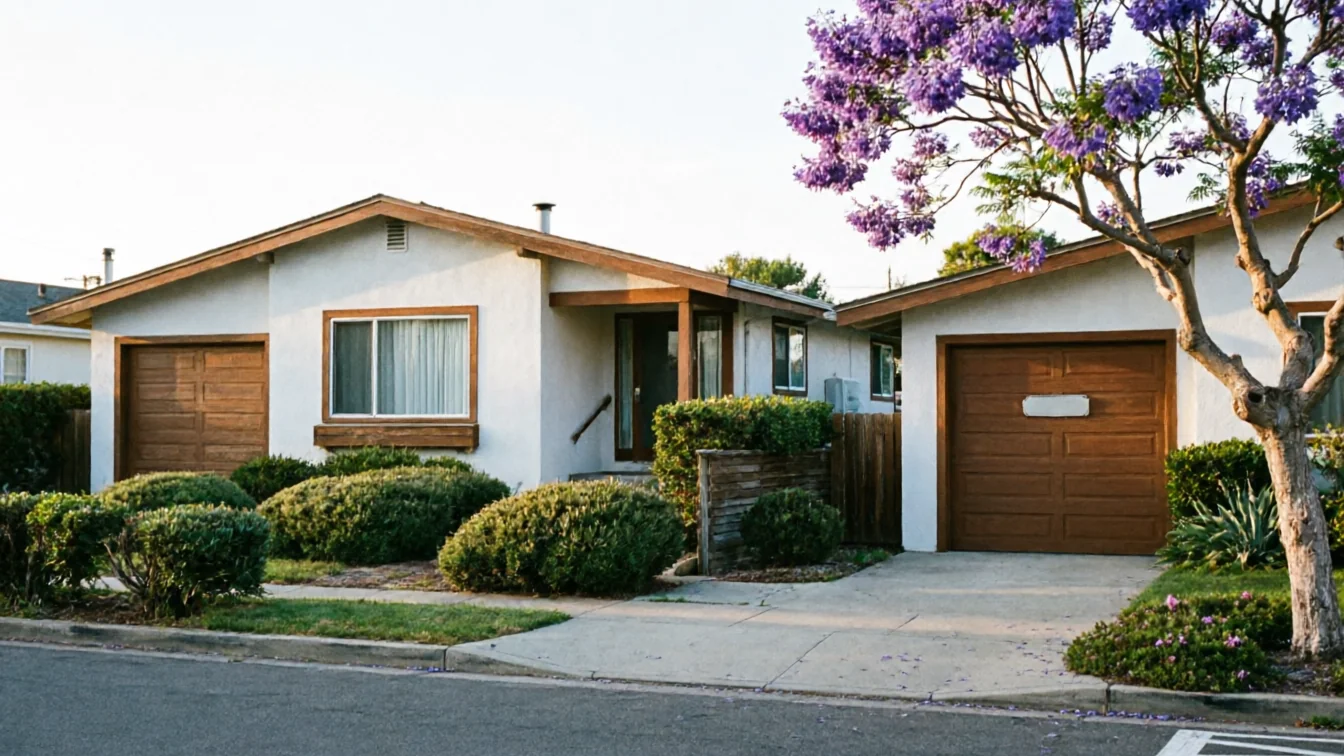
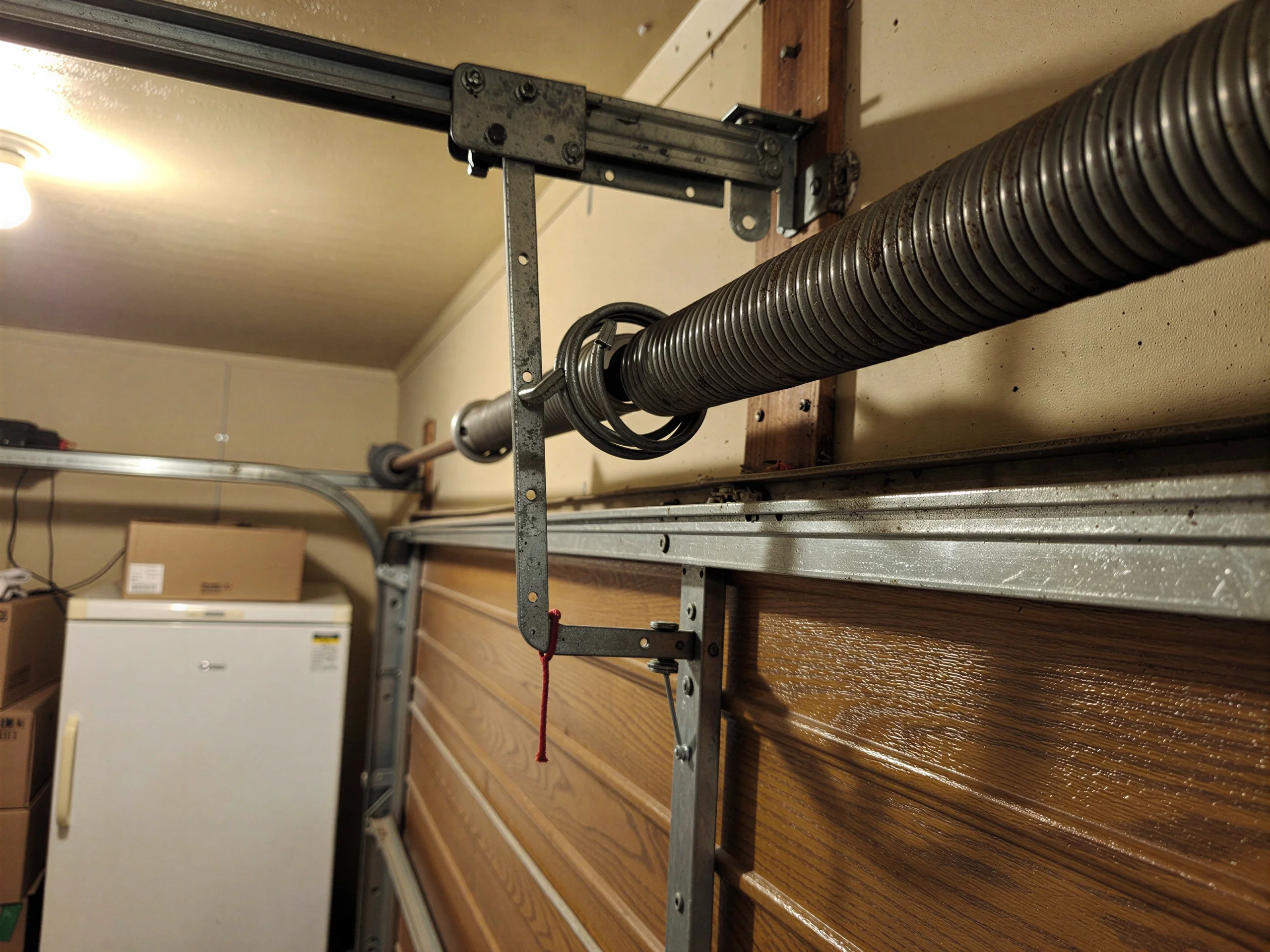
Housing across this part of the service area went up mostly between 1947 and 1987, with Los Altos sitting right at the 1964 median - squarely in the era of torsion-spring doors mounted on hardware that nobody manufactures to the original spec anymore. The mild temperate climate here is kind to the doors themselves; there's no deep freeze cracking panels and no extreme humidity swell to warp wood sections. But mild weather doesn't stop metal fatigue. Springs lose tension on a clock, not on a thermometer, and a 1964 door has had a lot of clock. The failures we see in Los Altos are age failures, not weather failures - which is exactly why a visual check from the driveway rarely catches them in time.
The repair
A maintenance visit isn't a repair, but it covers the same ground a repair would, just before anything's broken.
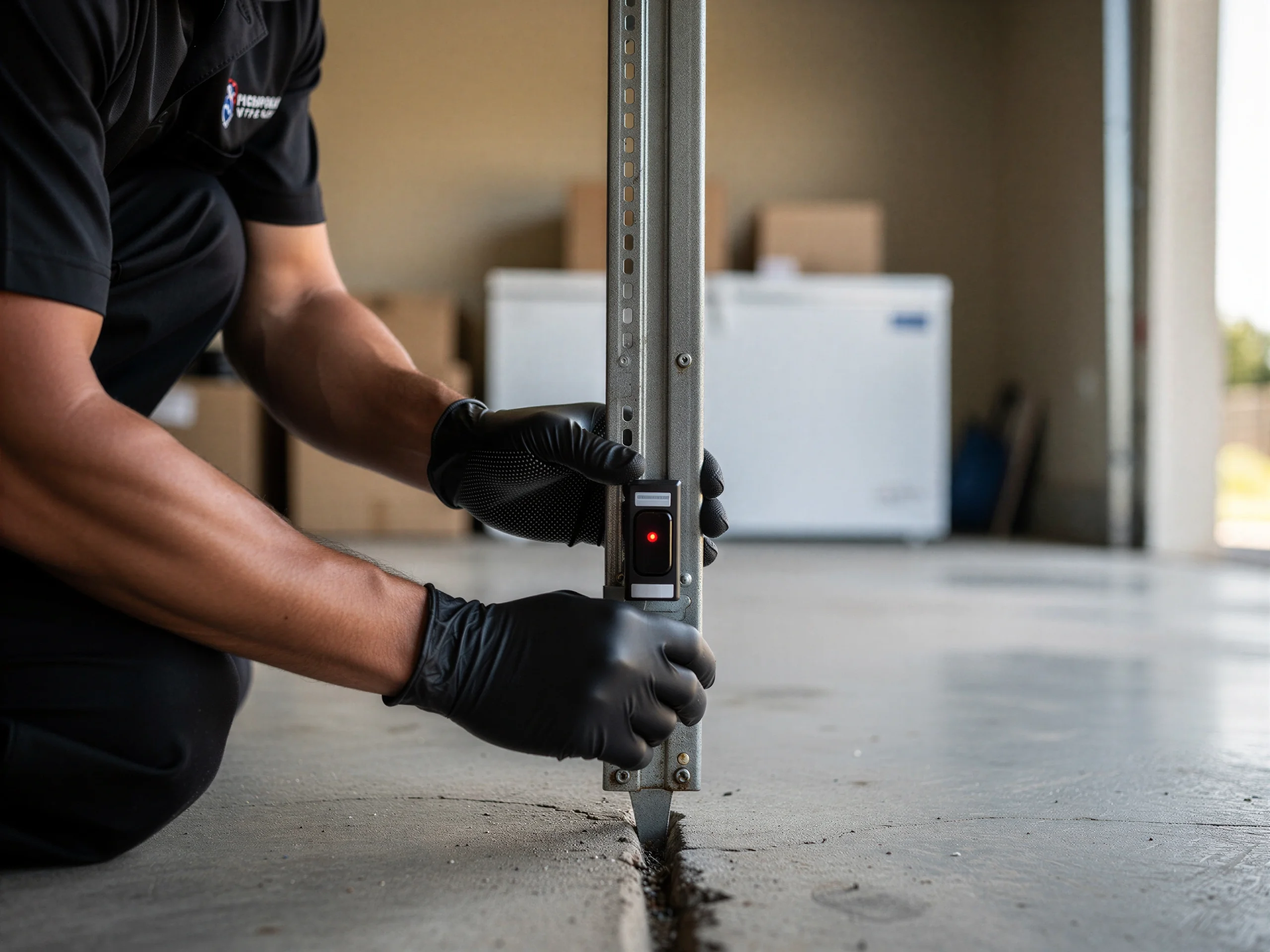
We check spring tension and balance - a door that doesn't hold position halfway up has a spring problem starting. We look at the cables for fraying near the drum, check rollers for flat spots or cracked nylon, and confirm the track is still bolted true to the frame, since brackets on a sixty-year-old wall section loosen over time.
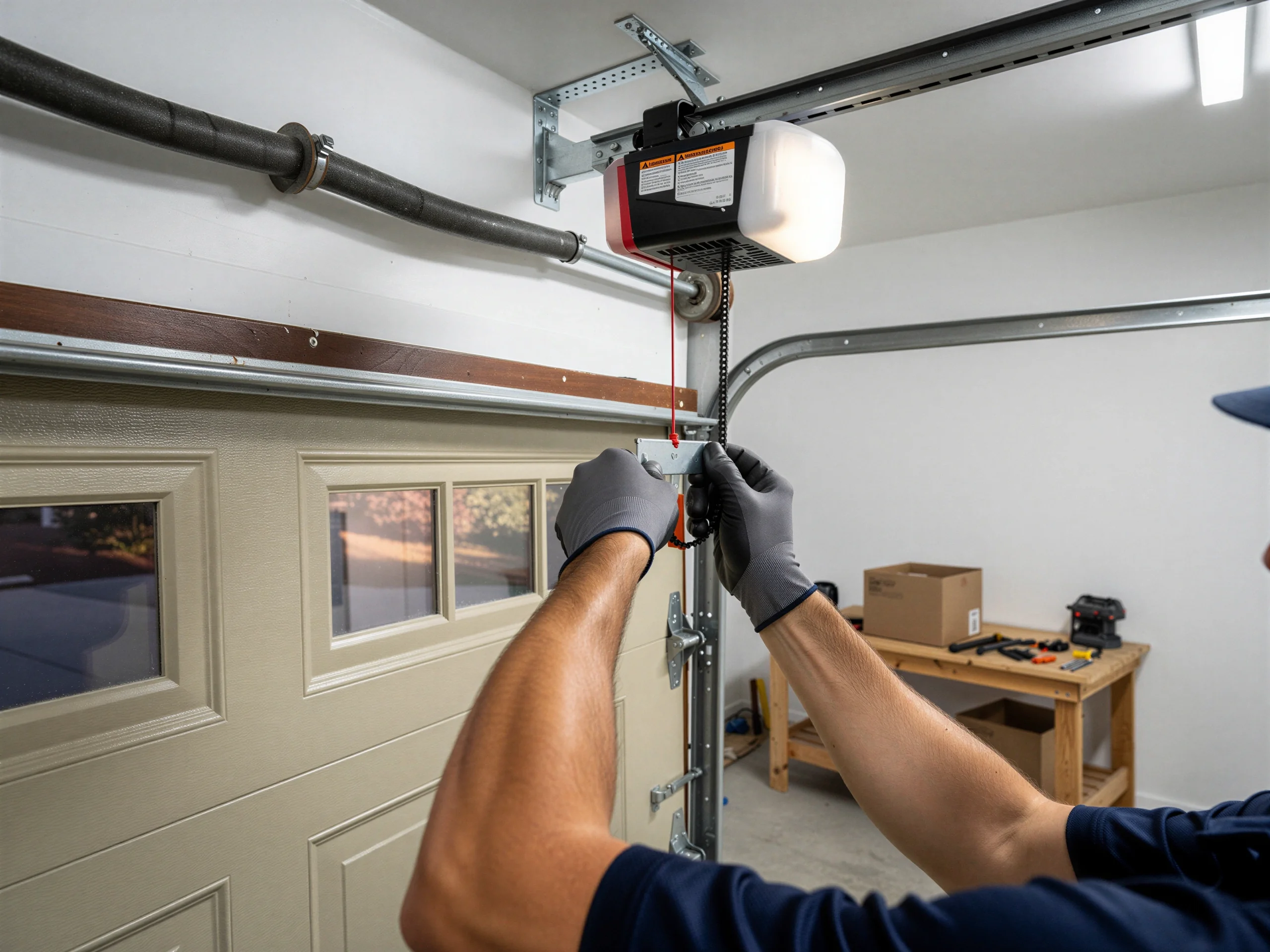
Opener force settings get tested too; a motor straining to lift a door with tired springs wears out years early. We lubricate hinges, rollers, and the track itself with the right product for the hardware, not a generic spray that attracts grit.
On the truck
We carry common wear parts on the truck - rollers, hinges, cables, and standard spring sizes - so a maintenance visit that turns up a worn part usually gets handled the same trip. One honest limit: some original hardware from doors this old is no longer made, and if a part is obsolete we'll tell you that on the spot rather than stall the job waiting on something that doesn't exist anymore. In that case the conversation moves to replacement, but that's a different page and a different decision than the one a routine tune-up is built to make.
Questions
We don't have a fixed interval that fits every door, but doors from the 1960s era common in Los Altos benefit from a check at least once a year, since original hardware is further along in its wear cycle than anything installed in the last decade.
No. We're based in Sunnyvale and travel to Los Altos, about 4 miles away, for maintenance and repair calls. There's no local branch or drop-off location here.
Usually, yes, up to a point. A door from the 1960s with original torsion hardware can often run several more years with regular lubrication and spring checks. If the hardware itself is worn past adjustment, we'll say so rather than keep patching it.
Because wear doesn't announce itself. Cables fray from the inside, springs lose tension gradually, and rollers flatten slowly enough that you adjust to the sound without noticing it changed. A tune-up catches what daily use trains you to ignore.
Explore more
Ready when you are
Sunnyvale Garage Door Pros repairs and installs garage doors, springs and openers in Sunnyvale, CA and the surrounding area.