
Heavier door, overworked opener
Sometimes it's quieter: a door that's noticeably heavier to lift by hand, which means the spring is still holding partial tension but has lost enough that the opener is doing work it was never sized for.
San Mateo, Sunnyvale
Garage door repair for San Mateo's 1960s housing stock, serviced from Sunnyvale, 20 miles out. Torsion spring, opener, and track calls on original-era hardware.
Symptoms
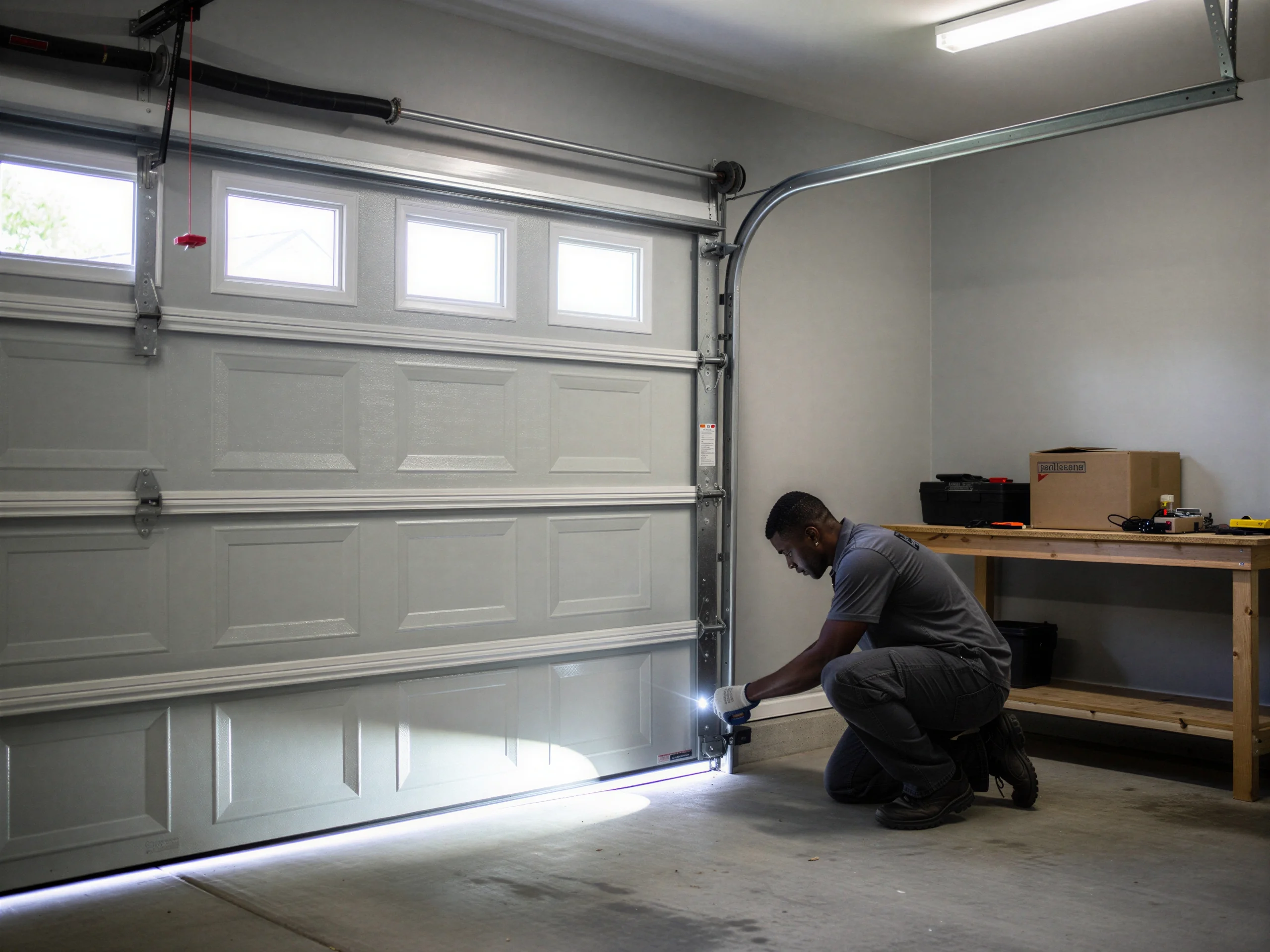
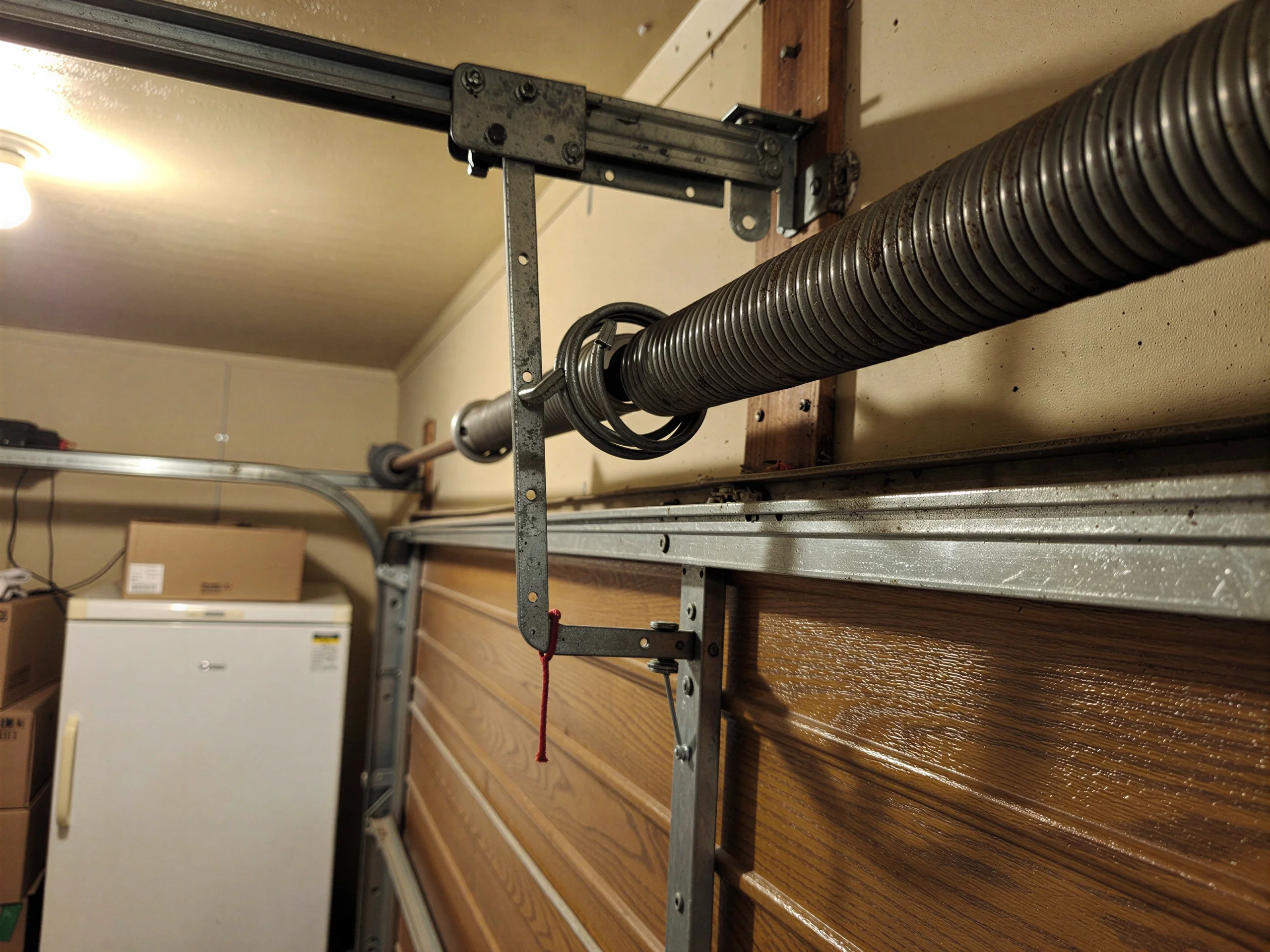
The call we get most from this part of the service area is a door that won't go up, or goes up and slams back down halfway - a torsion spring that's done its last cycle.
Sometimes it's quieter: a door that's noticeably heavier to lift by hand, which means the spring is still holding partial tension but has lost enough that the opener is doing work it was never sized for.
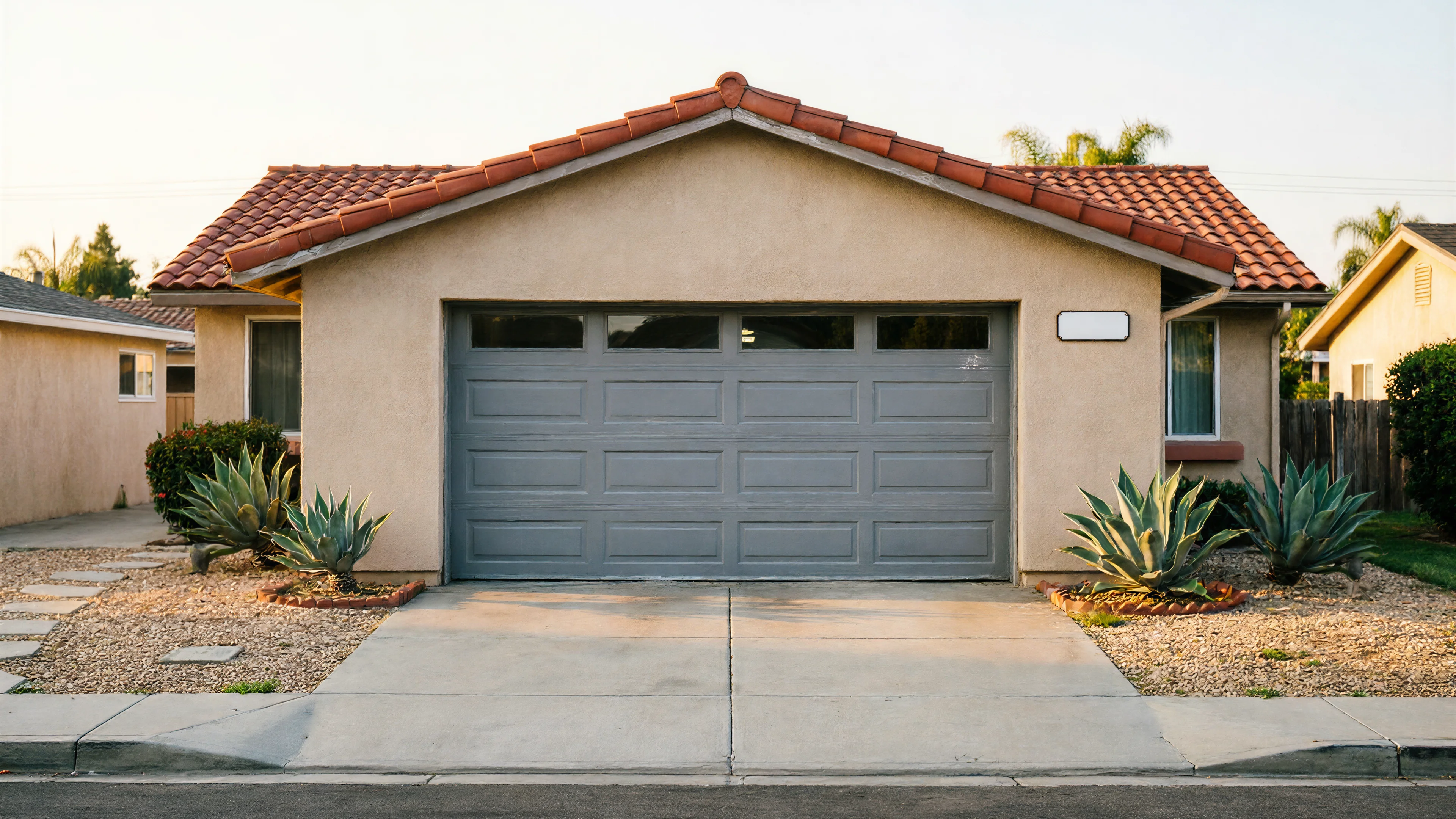
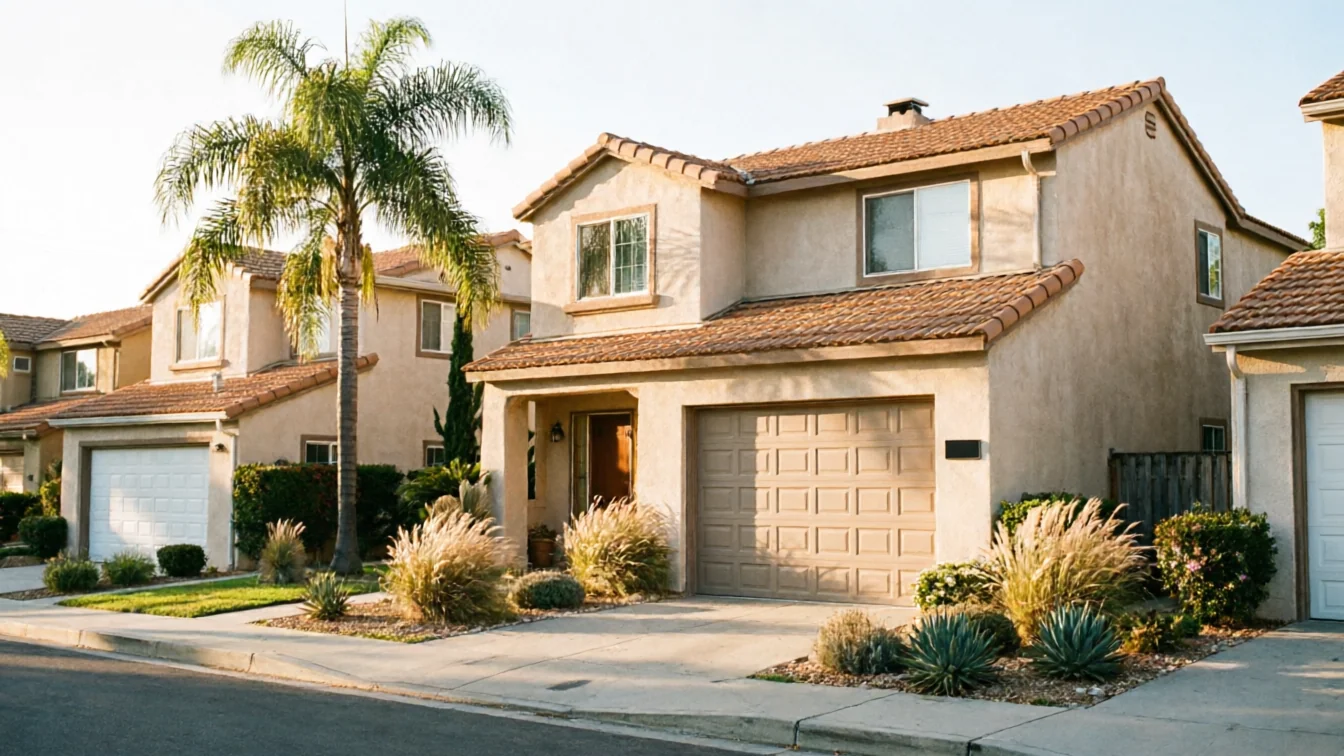
That pattern lines up with what's actually on these lots. Most houses in San Mateo near this stretch of the service area went up around 1964, squarely in the middle of the 1947-to-1987 build window that defines hardware across the whole area.
A door and spring set installed then, or even a second-generation replacement from the 1980s, is well past any spring's rated cycle count by now. The failure isn't random - it's a part reaching the end of a life it's had decades to live out.
Pricing
We don't post a flat number for San Mateo because what a job costs depends on what's actually failed - a single torsion spring is a different job from a cable off its drum or a full opener swap, and we won't quote one over the phone before we've seen the door.
What's worth knowing is the context. San Mateo's median household income sits at $152,669, below the $207,750 median across the full 298,406-household service area we work in. That gap matters when a spring goes on an older door: on a door this age, sinking money into patching a second or third part often costs more over a year than replacing the whole spring set once, properly sized for the door's actual weight. We'll tell you straight which side of that line your door is on before we start, not after.
Local causes
San Mateo sits about 20 miles from our shop in Sunnyvale - the farthest stop on the list of places we cover, which runs from Mountain View and Los Altos in close, out through Belmont and Foster City, to San Mateo itself. We plan the trip, not a same-hour drop-in, so when you call we're scheduling a visit, not dispatching a truck that happens to be nearby.
The area sits in a mild temperate climate band, and that cuts both ways for a door this age. It means rust on tracks and rollers isn't usually the culprit here the way it is in wetter regions - the mild weather is actually gentle on the steel. What it doesn't do is stop a spring from hitting its cycle count. A spring installed when the house was built, or replaced once since, is failing now because it's old, not because the weather beat it up. That's the fault we see on these doors more than any other.
DIY or pro
A torsion spring under tension can take a finger or worse, and we don't walk homeowners through replacing one over the phone - that's not a DIY repair, full stop.
Rollers, a loose track bracket, lubricating hinges: fine to handle yourself with basic tools. Where people get in trouble on a house this age is assuming a quiet noise or a slow opener is a small thing.
On original or near-original hardware from the 1960s, a part that's straining is usually close to failing outright, not settling into a new normal. If your door is noticeably harder to lift than it used to be, that's the spring telling you where it's at - call before it lets go on its own.
One limitation worth saying plainly: because we're driving out from Sunnyvale, we can't offer a same-hour emergency response in San Mateo the way we might closer to the shop. We'll give you an honest window when you call, not a promise we can't keep from 20 miles out.
Questions
A spring doesn't usually fail suddenly without warning signs - it loses tension gradually as it nears the end of its cycle count. On a door from this era, that often means the spring has quietly been losing strength for months before it finally lets go or gets too heavy to trust.
No. We're based in Sunnyvale and drive out to San Mateo, about 20 miles each way. We schedule the visit rather than offering same-hour dispatch, and we'll give you a realistic window when you call rather than overpromising.
Depends what else is worn. On a door from the 1960s or later replaced once since, if one spring has failed, the other is usually close behind. We'll look at both before quoting, since replacing one and leaving a near-dead second spring often means a second call soon after.
Explore more
Ready when you are
Sunnyvale Garage Door Pros repairs and installs garage doors, springs and openers in Sunnyvale, CA and the surrounding area.