Fast garage door repair in SunnyvaleCall (408) 786-3362

Cupertino, Sunnyvale

Opener Installation for Cupertino's 1973-Era Garages

Cupertino garages mostly date to 1973, a decade past the area median. See what that means for opener installs, safety sensors, and what the job actually costs.

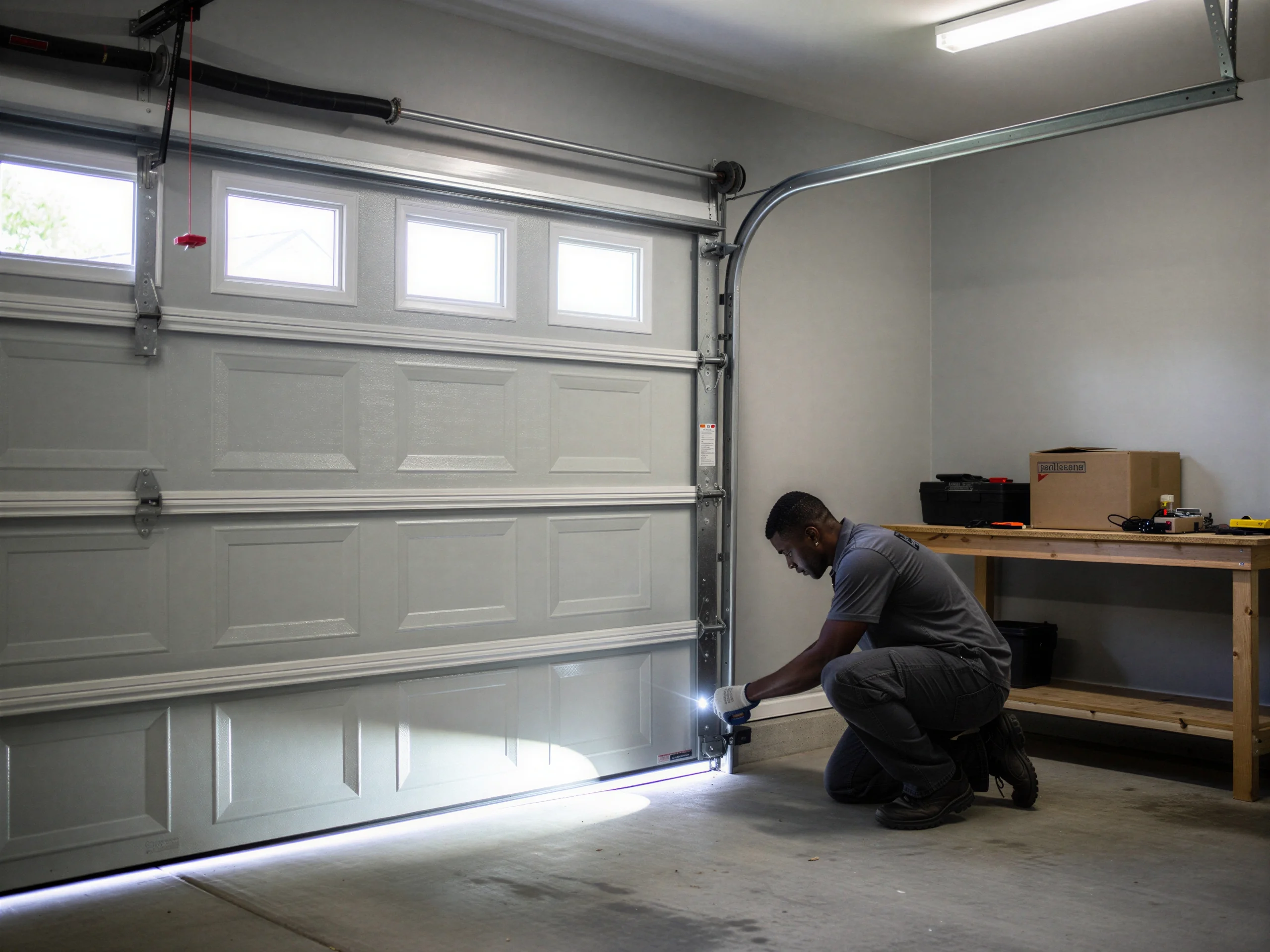
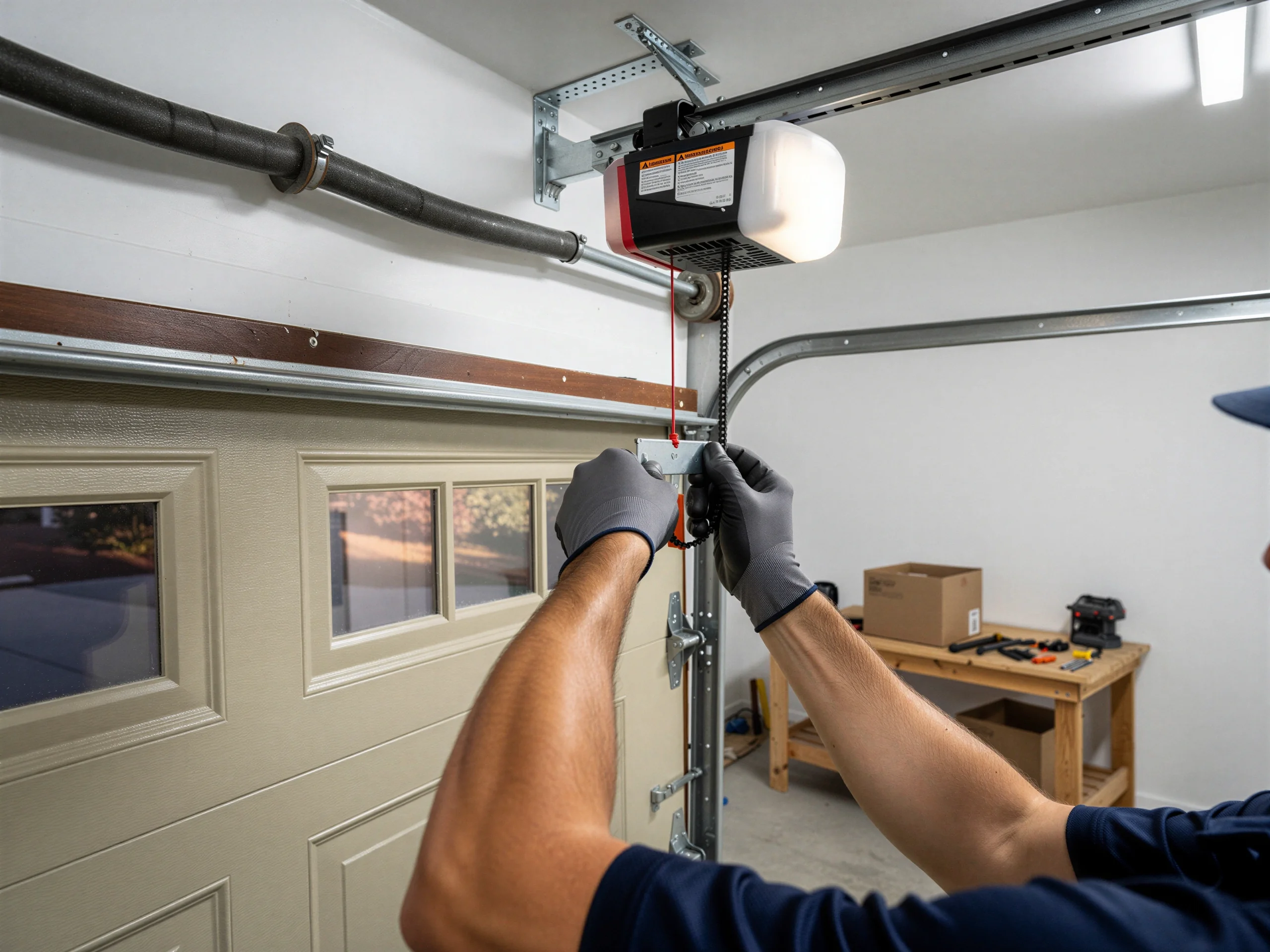
A technician in gloves works on a garage door opener and chain.
Same-day serviceTrusted local pros
Serving Sunnyvale, CABackground-checked techsHonest, upfront pricingFast local response

The repair

What the Fix Involves

The fault we see most in Cupertino isn't a dead motor - it's a working motor on hardware that predates modern safety law. A lot of these garages were framed around 1973, which puts the opener install (or re-install) squarely in an era before auto-reverse photo-eye sensors were required.

  1. Missing safety beam

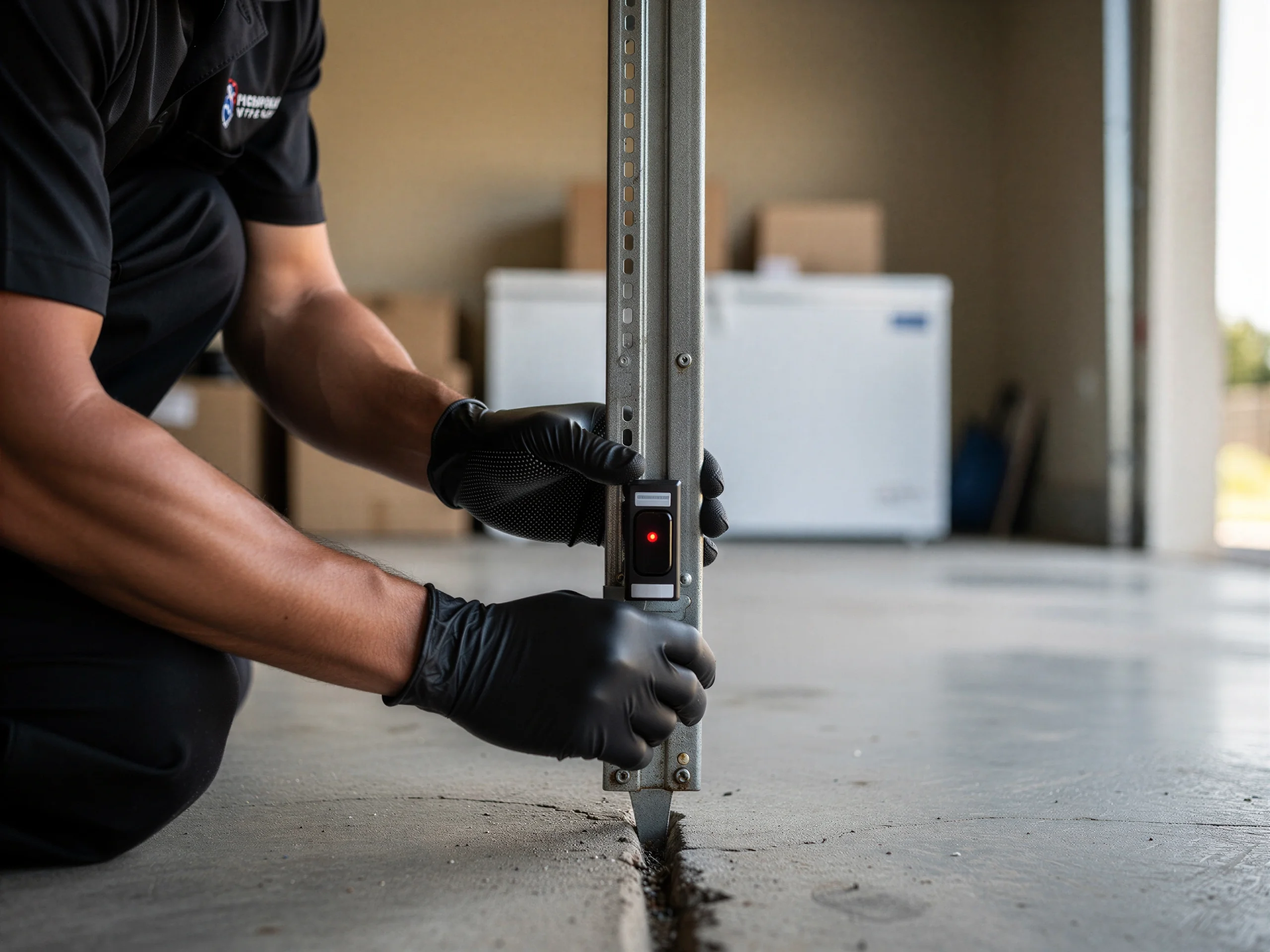
    The unit still runs, the door still goes up and down, but there's no beam across the floor to stop it if something's in the way. Installing an opener here means more than bolting a new head unit to the same bracket.

  2. Door balance checked first

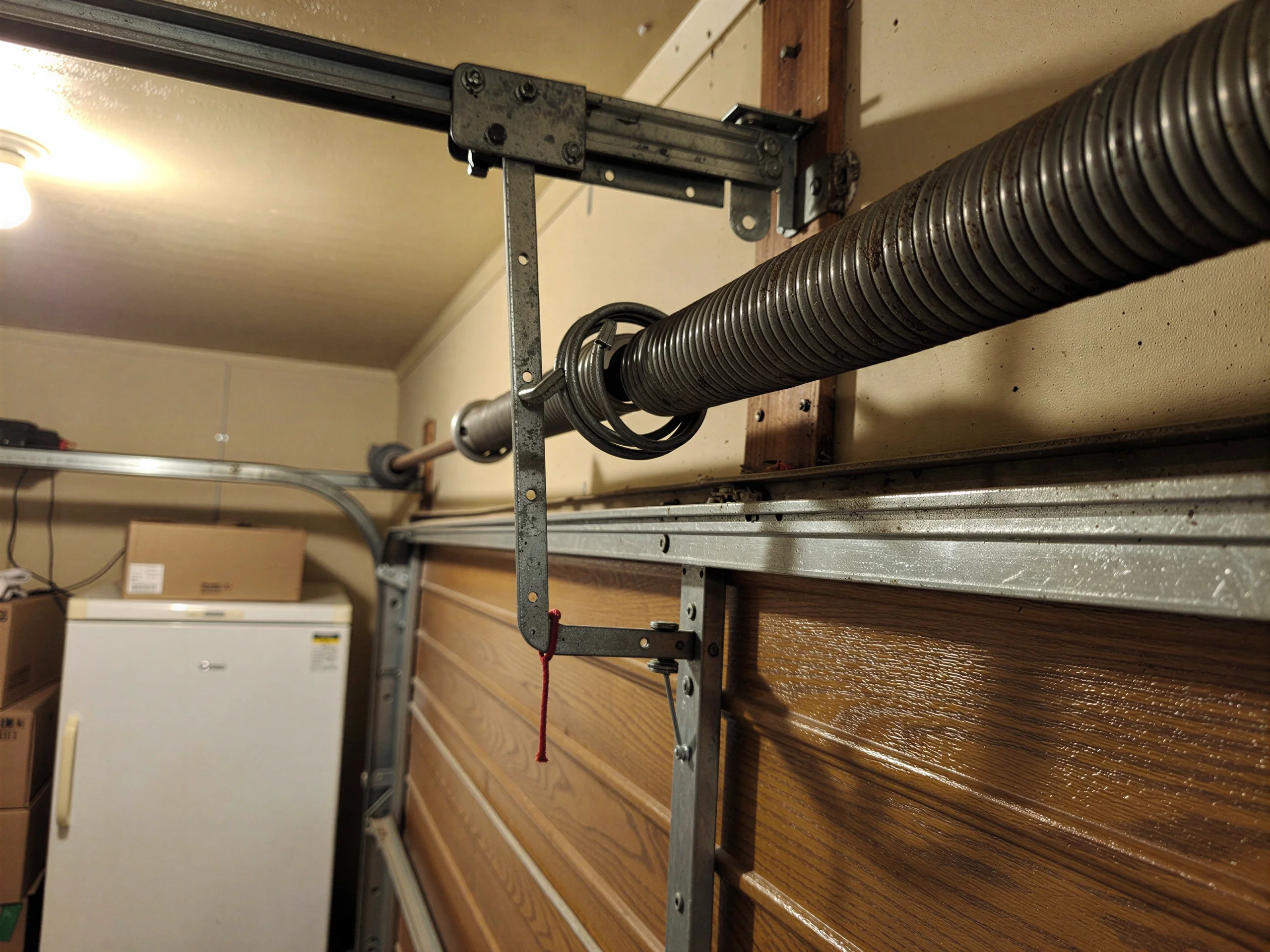
    We check the door's own age and balance first, because a new opener on a spring that's past its cycle count just moves the failure point, not fixes it. Then we run the rail, mount the sensors at the code height, and wire in the wall console and any keypad.

  3. Re-drilling original brackets

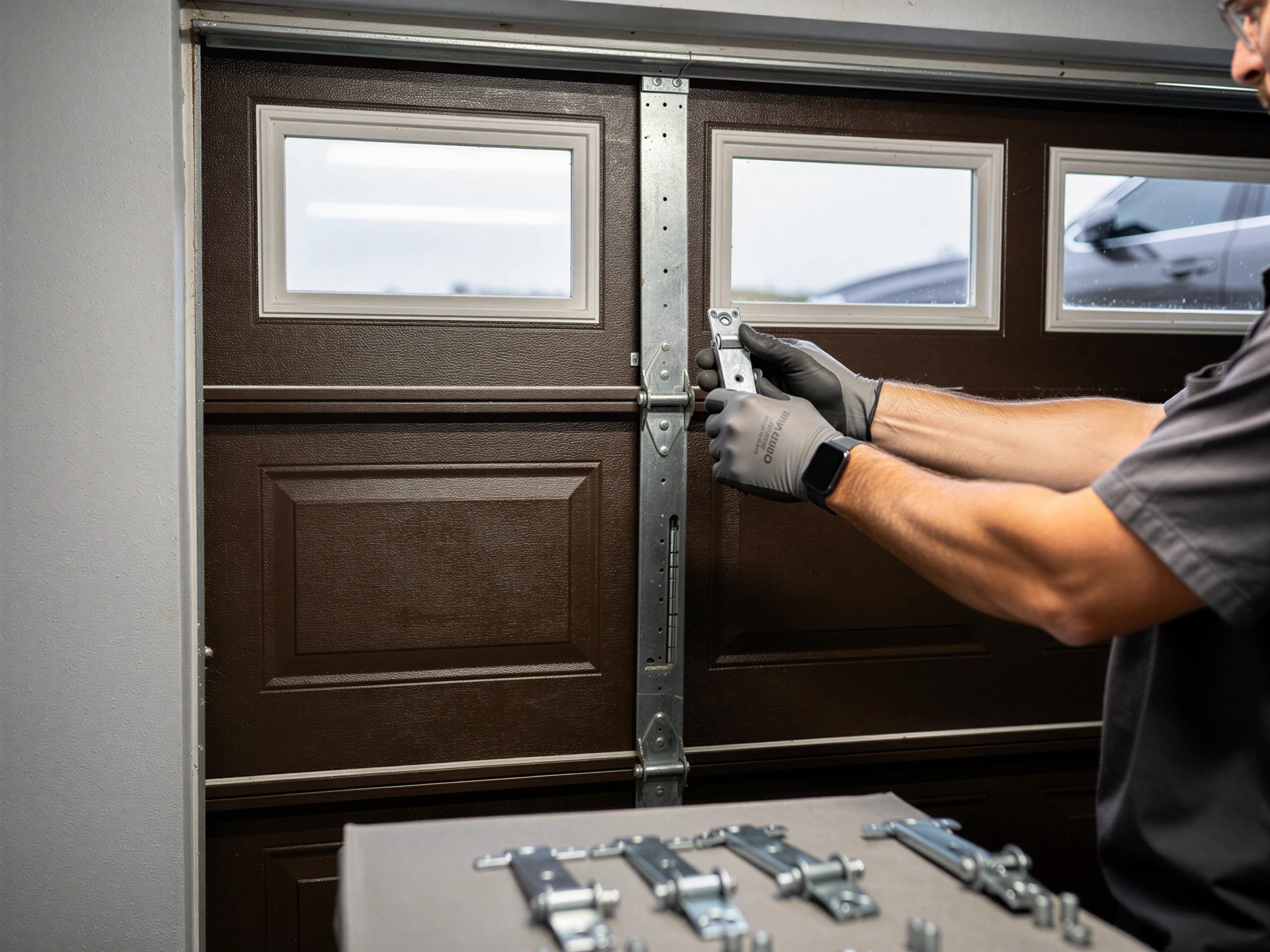
    On a standard sectional door with existing track in good shape, most of this is straightforward. Where the garage still has the original bracket pattern from a 1960s or '70s build, we sometimes have to re-drill or add blocking, because the stud spacing doesn't match what current openers expect out of the box.

Local causes

Why It Happens Here

Serving Sunnyvale, CA

Cupertino's housing stock sits a bit later than the wider service area's median year built of 1964 - most of this city's garages went up closer to 1973, per local records. A decade doesn't sound like much, but it's the difference between homes that got steel sectional doors with early chain-drive openers already in place, versus the oldest one-piece doors with no opener bracket at all.

That later build date is actually good news for an opener job: the garage framing is more standardized, and most doors already have a working track to mount against. What hasn't kept pace is the electronics. A chain-drive unit installed in the '70s or '80s, even if it's been replaced once since, often got swapped like-for-like without adding the reversing sensors that became mandatory industry-wide afterward. We find more of these gaps in Cupertino than we'd expect for a city with this income level, simply because the garages are easy to overlook - nobody thinks about the opener until the door stops reversing on its own.

DIY or pro

The DIY Question

A retail opener kit from a hardware store will physically bolt into most Cupertino garages - the stud spacing and track width are usually standard enough.

Sensor alignment and force

Where people get into trouble is the sensor alignment and the force setting. Set the down-force too high and the door keeps closing on an obstruction instead of reversing; set it too low and it won't seal against the mild damp we get some winters.

Solo swap is possible

We're not going to tell you it can't be done solo. If you're comfortable on a ladder, can read a wiring diagram, and have a helper to hold the rail while you set the travel limits, a straightforward swap on an already-wired garage is within reach for a patient homeowner.

Signs to call a pro

Where we'd say call someone: if the existing bracket doesn't match the new unit's mount pattern, if the springs look original, or if you're not sure the door is balanced - an opener fighting an unbalanced door burns out fast no matter who installed it.

Timing

How Long It Takes

A straight swap - same mount pattern, existing wiring, no spring work needed - is a half-day job including removal of the old unit and haul-away. Add sensor relocation, new wiring runs, or working around an older bracket pattern from a 1960s or '70s frame, and it stretches longer.

We travel from Sunnyvale, about five miles out, so scheduling a Cupertino job is routine but it's not a walk-in - we book the visit like any other appointment rather than promising a same-hour arrival. If the door itself needs spring or track work before the opener goes on, that's a separate piece of labor we'll flag before we start, not add on after.

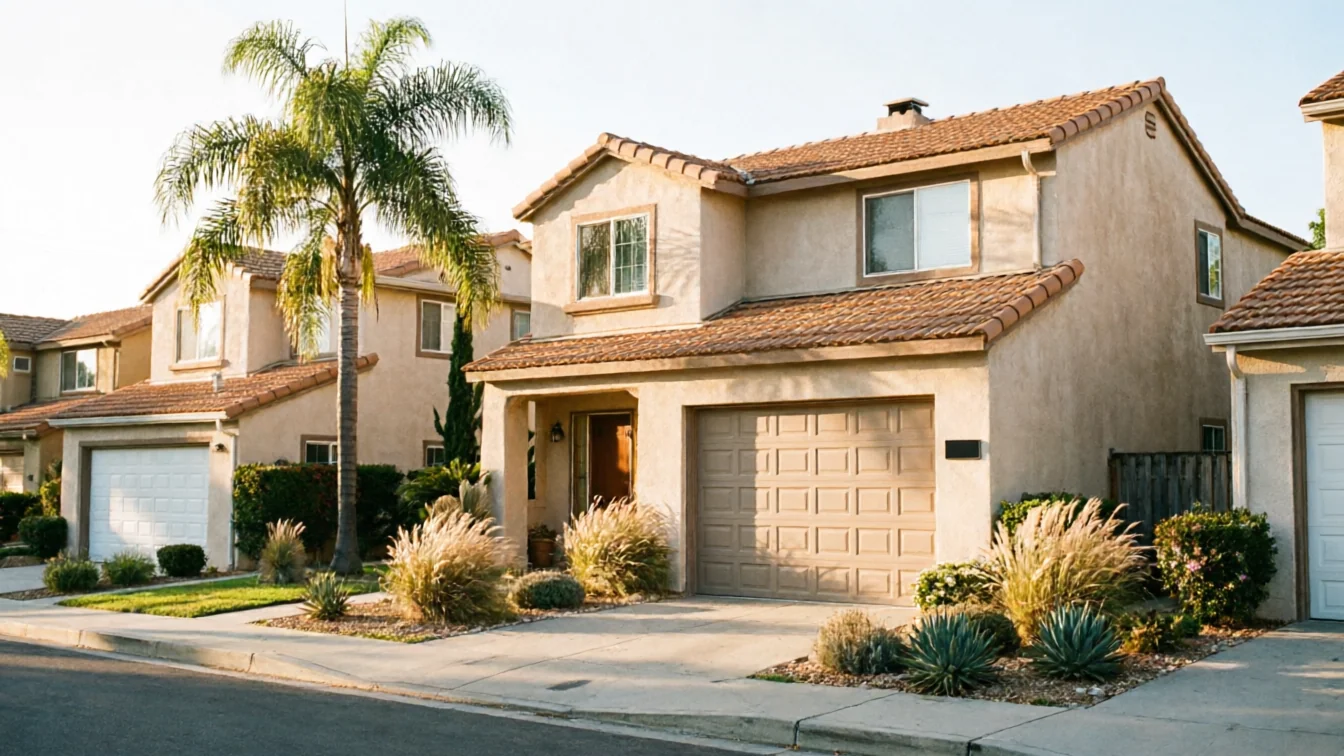
A beige house with a brown garage door and a palm tree in the front yard.

Pricing

What You Pay

We don't have a published price list to quote here, and giving you a number without seeing the door would be a guess, not a fact. What we can tell you is what moves the price: whether the existing bracket and wiring are reusable, whether the door needs balancing or spring work first, and which drive type you choose.

Cupertino's median household income runs well above the wider service area's $207,750 - closer to $231,139 locally - and in practice that shows up in the requests we get: more belt-drive units for quiet operation, more smart-phone app integration, fewer of the bare-bones chain-drive replacements that would otherwise match the original 1973 hardware exactly. None of that is required, it's just what tends to get picked here.

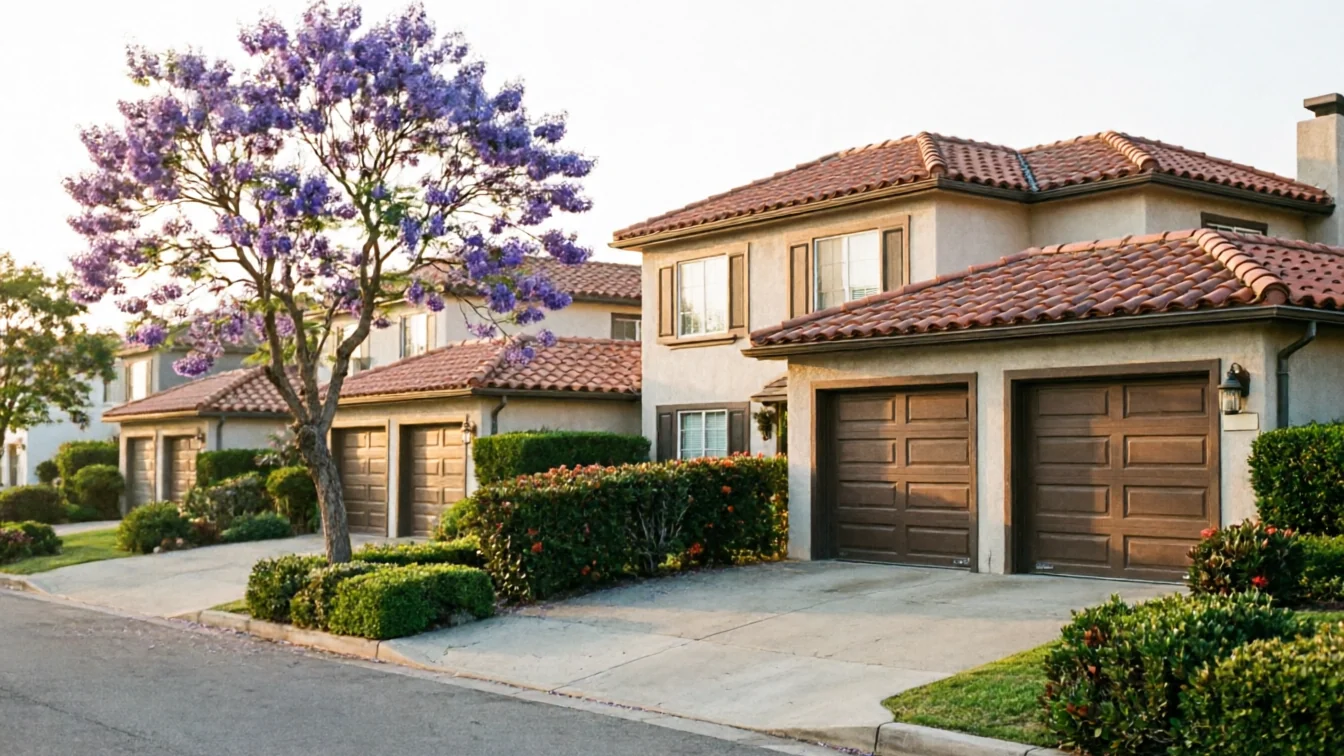
Three houses with brown garage doors and red tile roofs line a street.

Watch-outs

What Can Go Wrong

The most common surprise on a Cupertino job is finding the door itself isn't ready for a new opener - a spring near the end of its life, or rollers worn enough that the door binds partway up.

Opener cannot fix doors

An opener can't fix a door problem, and forcing a new unit to fight a bad door just means a callback sooner than it should be. The other thing we flag: because this area sits in a mild temperate band, we don't see the opener failures caused by hard freeze-thaw cycles that show up elsewhere - no cracked gear housings from ice, no metal contraction throwing off the travel limits.

Age-related opener wear

What we do see is straightforward wear: gears stripped from age, capacitors going on older motor units, sensors knocked out of alignment over years of parking a car a few inches off-center.

Verify door first

None of it is dramatic, but it's worth checking before you assume a new opener alone will solve what's actually a door issue. For repair work on the door itself, that's a separate visit - see our Cupertino garage door repair page.

Questions

Common questions

Will a new opener fit my existing garage without rewiring everything?

Usually, if your garage already has a working opener and standard track. Where it gets complicated is older bracket patterns from original 1960s-70s framing, which sometimes need new mounting points. We check this before quoting so there's no surprise mid-install.

Do I need new safety sensors if my old opener never had them?

Yes. If your current setup predates the auto-reverse photo-eye requirement, we install sensors as part of any new opener job - it's not optional equipment, it's what keeps the door from closing on a person, pet, or car.

How far out does Sunnyvale Garage Door Pros travel for Cupertino jobs?

We come from Sunnyvale, about five miles away. It's a routine trip for us, scheduled like any other appointment rather than an instant dispatch, so plan on booking ahead rather than expecting a same-hour arrival.

Can you install a smart opener that works with my phone?

Yes, belt-drive units with app control are a common request in this area. The install process is similar to a standard opener, with an extra step for connecting the unit to your home network.

Ready when you are

Need a new garage door opener in Cupertino?

Sunnyvale Garage Door Pros repairs and installs garage doors, springs and openers in Sunnyvale, CA and the surrounding area.

Call Now(408) 786-3362