Fast garage door repair in SunnyvaleCall (408) 786-3362

Cupertino, Sunnyvale

Opener Repair for Cupertino's 1973-Era Garage Doors

Cupertino homes median at 1973 still run openers original to that era. Sunnyvale Garage Door Pros drives the 5 miles to fix chain-drive units nobody else stocks parts for.

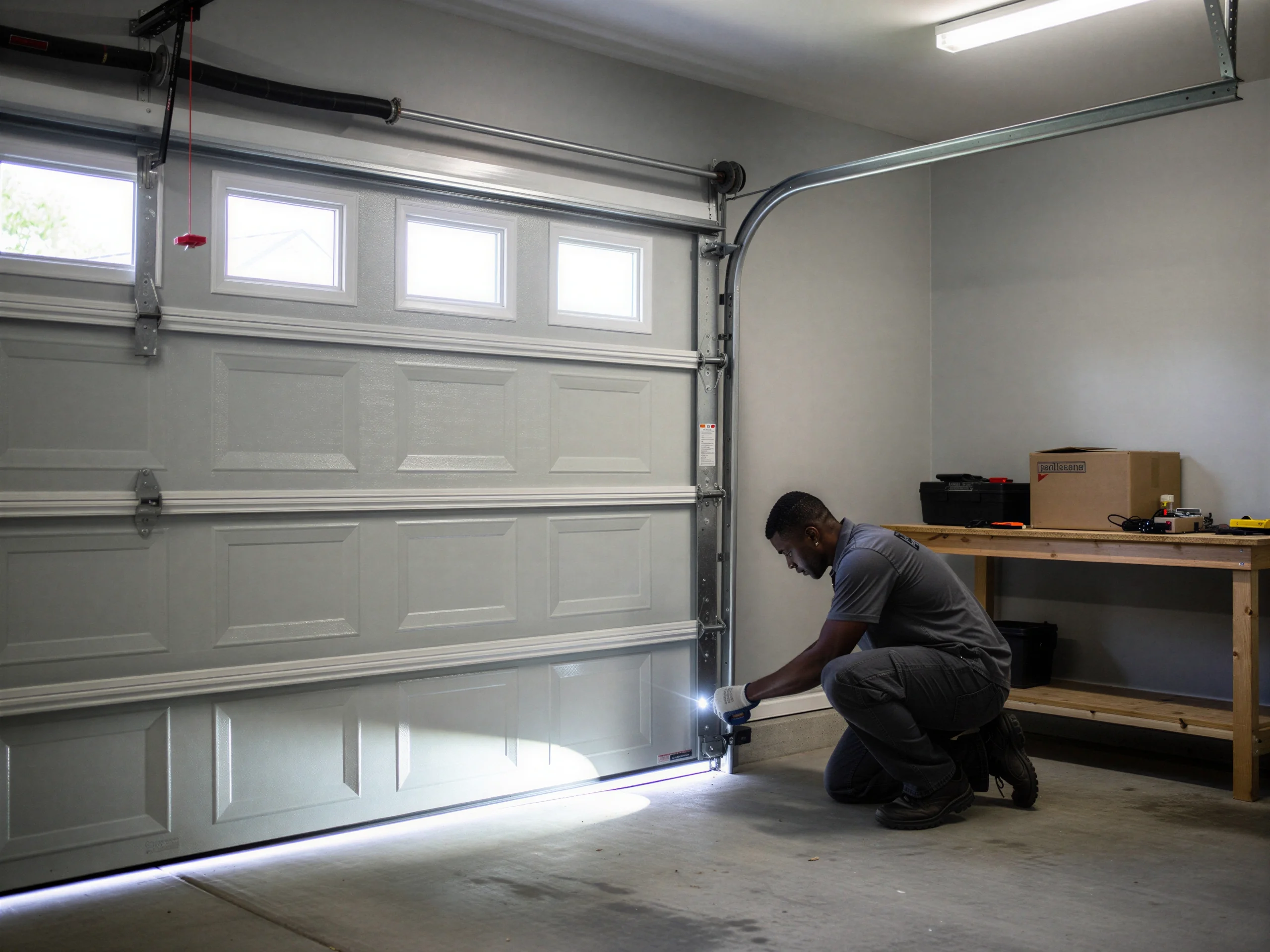
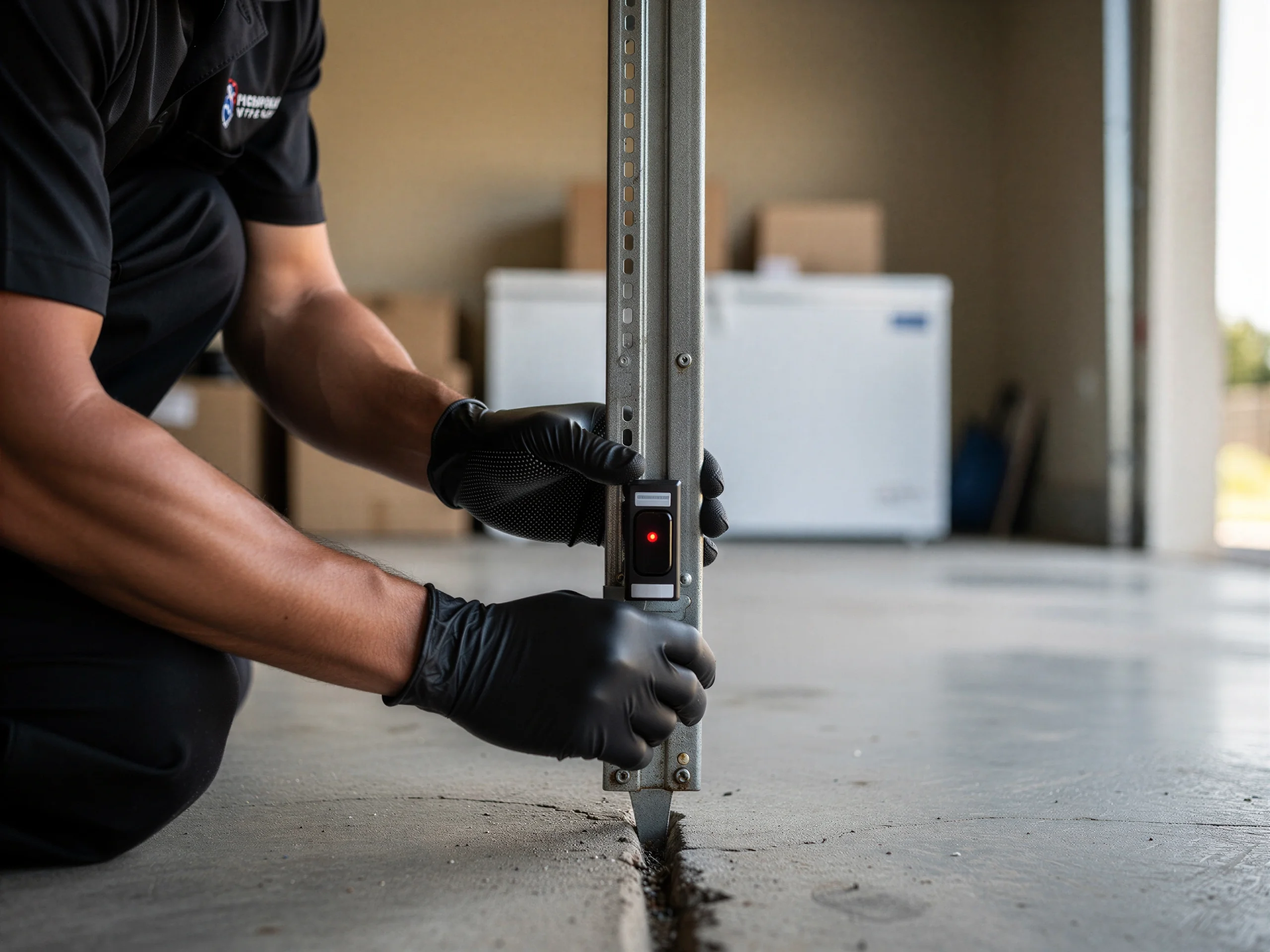
A technician in black gloves adjusts a garage door safety sensor.
Same-day serviceTrusted local pros
Serving Sunnyvale, CABackground-checked techsHonest, upfront pricingFast local response

The repair

What the Fix Involves

In a Cupertino house built around the median year of 1973, odds are good that the garage door opener isn't original - openers of that era were mechanical chain-drive units, and a lot of them got swapped once in the 1990s for an early screw-drive or belt unit that's now itself 25-30 years old.

  1. Neglected bracket and switches

    What usually hasn't been touched is the bracket that holds the opener to the header, the travel limit switches, and in some cases the wall button wiring, because nobody thinks to replace parts that still technically work.

  2. Opening the housing first

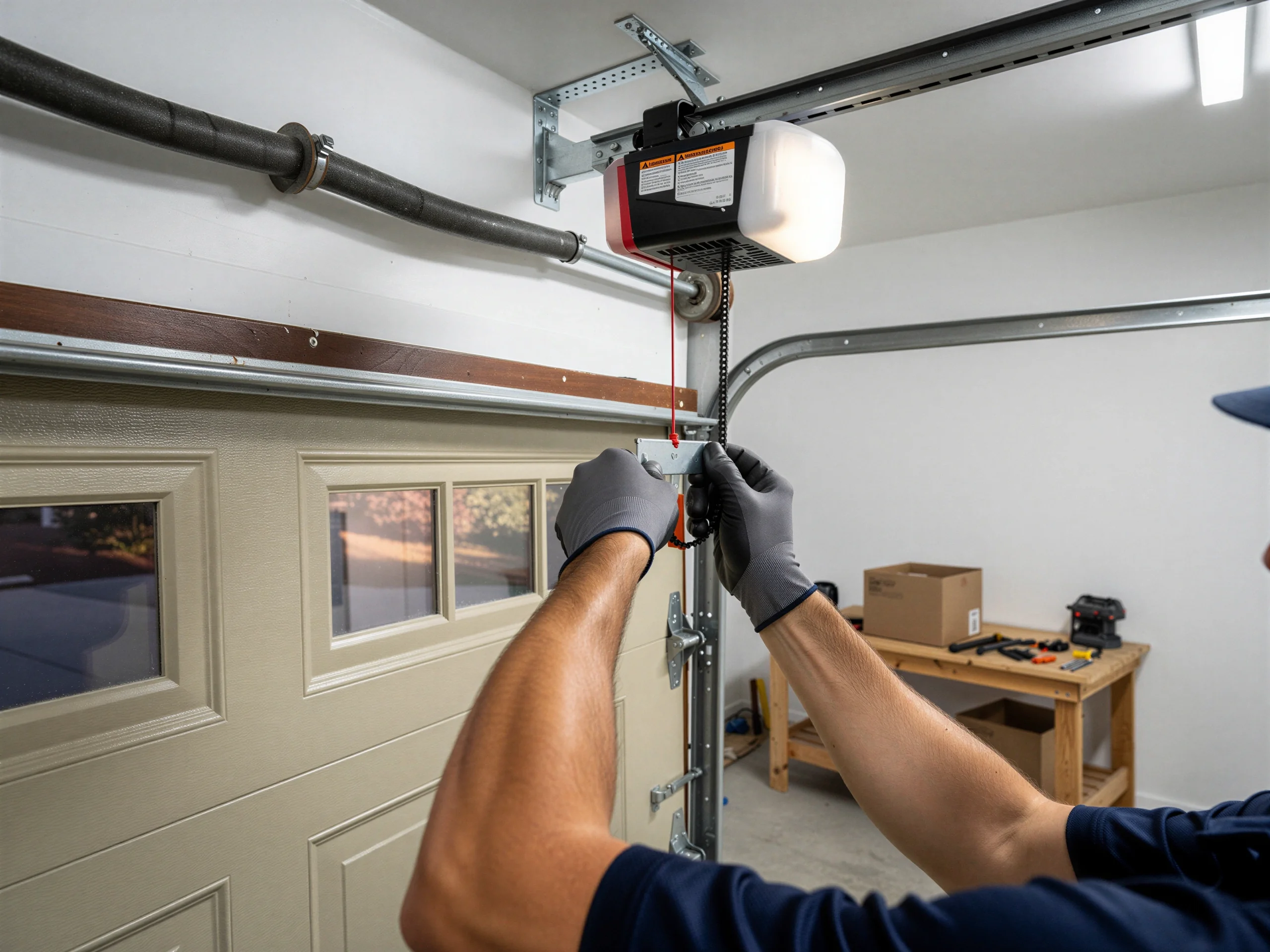
    A repair call here almost always starts with pulling the cover off a unit that's been running since before the current owner bought the place, checking the drive gear for stripped teeth, the capacitor on the motor, and whether the safety sensors were ever added after the fact - some older installs in this area predate the sensor requirement and had them bolted on later, sometimes wired wrong.

  3. Gear before logic board

    We check all of that before we touch the logic board, because half the "opener is dead" calls turn out to be a worn drive gear or a sensor knocked out of alignment, not a motor failure. Replacing a gear kit is a different job than replacing a board, and it's a different job again than telling someone the unit's done and a new opener costs less than the repair.

Local causes

Why It Happens Here

Serving Sunnyvale, CA

Cupertino's housing stock clusters tightly around 1973, which puts most garage openers in this part of the service area into their third or fourth decade if they're original, or their second decade if a prior owner upgraded once. That's a narrower build window than some of the surrounding towns, and it means the failure pattern repeats house to house: drive gears worn smooth from decades of use, logic boards from the chip era right before everything went to rolling-code remotes, and circuit boards that can't be reprogrammed because the remotes they paired with were discontinued years ago. The region's mild temperate climate isn't why these openers fail - it's actually one reason the motors and gear housings have lasted this long without the metal fatigue you'd see somewhere with hard freezes or heavy humidity swings. So when an opener finally gives out in Cupertino, it's almost always just age catching up to a unit that never had a reason to fail sooner. That's a different story than a newer suburb would tell, and it's why a tech showing up expecting a five-year-old opener is often surprised by what's actually on the ceiling.

DIY or pro

The DIY Question

Replacing a remote battery or reprogramming a keypad is fair game for most homeowners, and we'd rather you not pay a truck roll for that.

Risky drive mechanism work

Where it gets risky is anything involving the drive mechanism, the limit switches, or the safety sensor wiring - on a unit that could be 40-plus years old, the capacitor and wiring insulation are often original too, and working inside that housing without knowing what you're looking at risks a shock or a dropped door.

Noise and light symptoms

If the opener is making a new noise, reversing before it closes, or the light blinks without closing the door, that's a sensor or logic issue that's usually a quick fix for someone who's opened a hundred of these units, and a frustrating one for someone who's opened one.

Honest on small fixes

We'll tell you straight if what you're describing sounds like a five-minute adjustment you could do yourself - we'd rather earn the call on a real repair than charge for a battery swap.

Timing

How Long It Takes

We run this job out of Sunnyvale, about 5 miles from Cupertino, so travel isn't the bottleneck - diagnosis and parts are.

Quick same-visit opener fixes

A straightforward sensor realignment or wall-button fix is usually done inside one visit. A worn drive gear or a failed capacitor on an older chain-drive unit is also typically a same-visit repair if we're carrying the part, which we usually are since Cupertino's housing age means we see this specific failure often.

Discontinued parts delay

Where it stretches out is when the opener is old enough that the manufacturer doesn't make that logic board or gear kit anymore - at that point we're not fixing it in one visit, we're having a conversation about full replacement, because sourcing an obsolete part can take longer than the repair itself would.

Pricing

What You Pay

We don't post a flat price here because what an opener repair costs depends on what's actually wrong - a sensor alignment and a motor replacement aren't in the same category, and we're not going to make up a number to fill this section. What we can tell you is that Cupertino's median household income in this part of the service area runs higher than the wider Sunnyvale service area average, which doesn't change what we charge but does mean replacement openers with rolling-code security and battery backup tend to be a more common ask here than a bare-bones swap. We'll give you the actual number for your unit before we start, not after.

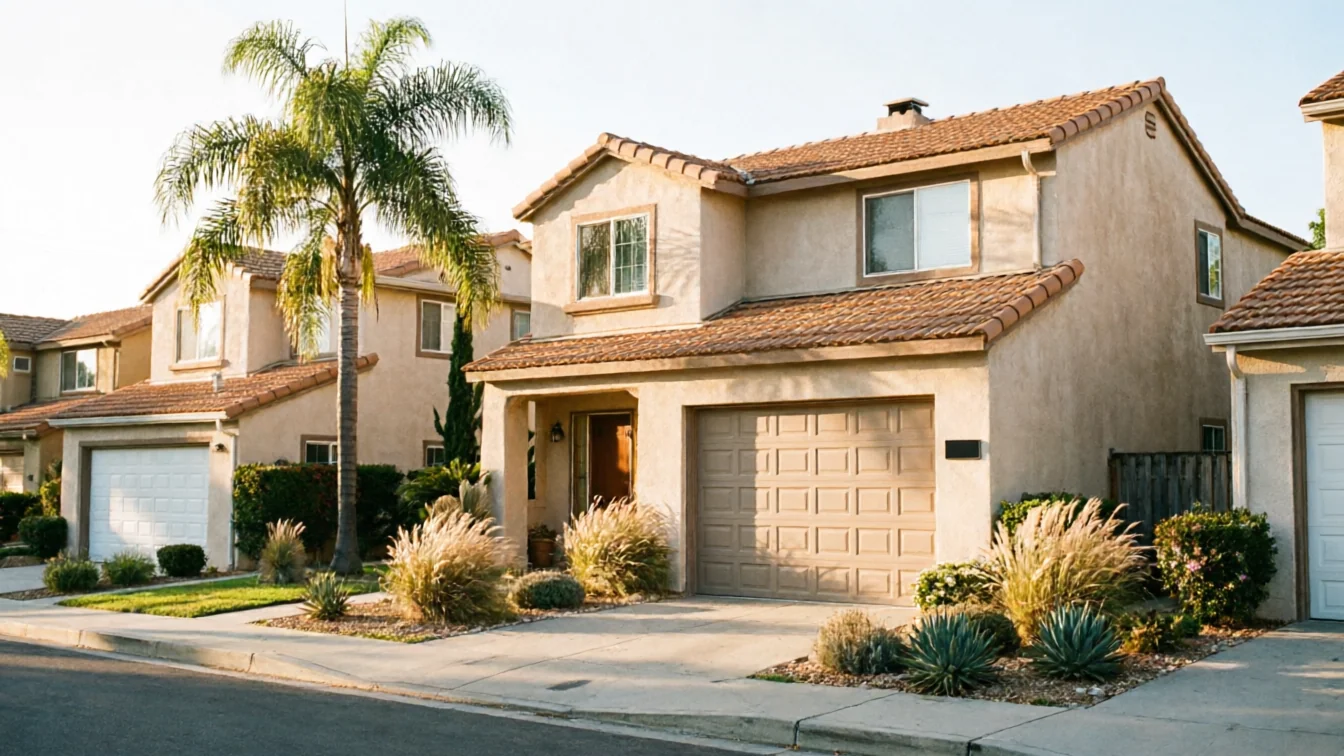
A beige house with a brown garage door and a palm tree in the front yard.

Watch-outs

What Can Go Wrong

The honest limitation: if your opener was installed close to 1973, there's a real chance the exact gear kit or circuit board is no longer manufactured, and we're not going to pretend we can source a part that doesn't exist. When that happens, repair isn't the cheaper option - a new opener usually is, and we'll say so instead of stretching a fix that won't hold. The other thing that goes wrong more than people expect: a homeowner replaces just the opener and leaves 40-year-old springs or cables on the door, and the new unit strains against hardware it was never sized for. We check the whole door, not just the motor, before we call a job finished.

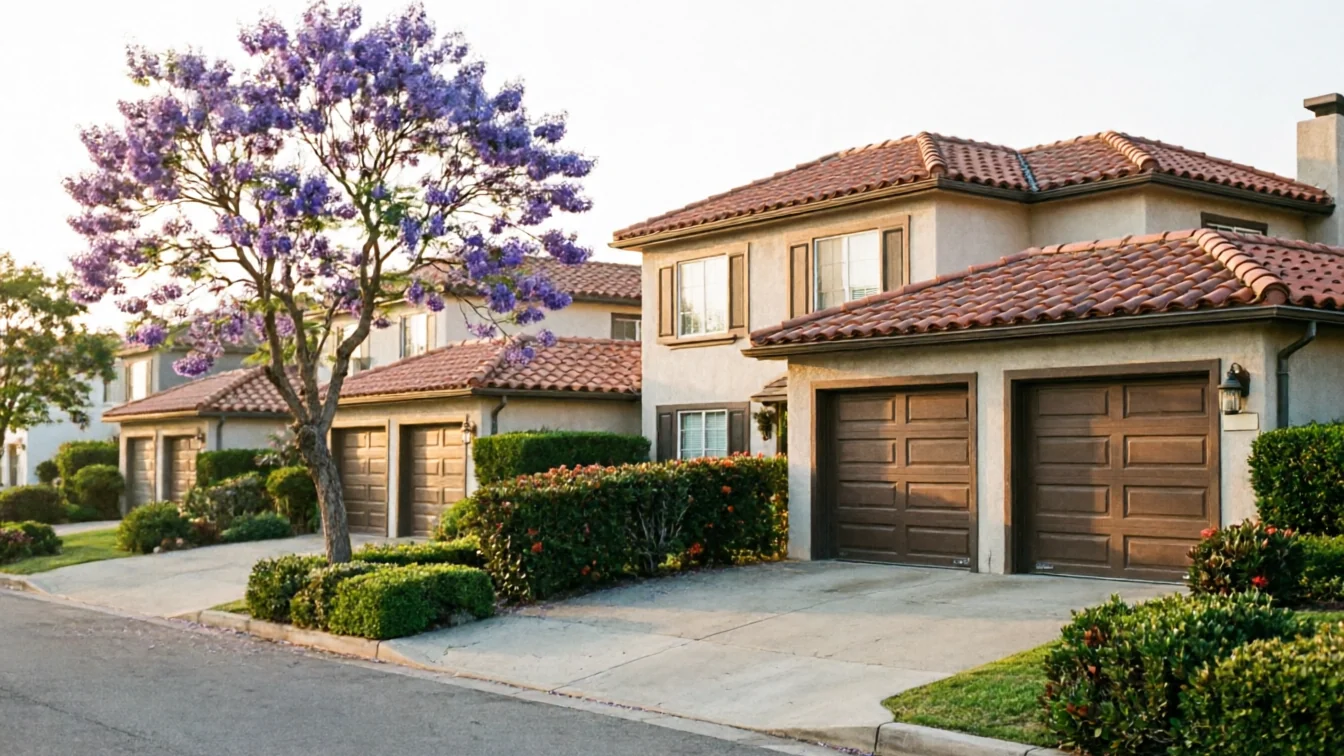
Three houses with brown garage doors and red tile roofs line a street.

Questions

Common questions

Is my opener in Cupertino too old to repair?

It depends on the model, not the age alone. Plenty of openers from the 1980s and 90s still have gear kits and circuit boards available. Given Cupertino's median build year of 1973, we see a lot of units in that range - some repairable, some not. We'll tell you which after we open it up, not before.

Do you carry parts for older chain-drive openers?

Often, yes. Because Cupertino's housing stock clusters around 1973, we see enough of these units that we stock the common gear kits and capacitors for that era. Less common boards sometimes need ordering, which can add a few days.

Why does my opener reverse before the door closes?

Almost always a safety sensor that's out of alignment or dirty, not a motor problem. On older installs where the sensors were added after the original opener went in, the wiring or mounting can drift over the years. It's usually a short fix.

How far do you travel to Cupertino for a repair call?

We run out of Sunnyvale, about 5 miles away, and cover Cupertino as part of our regular service area. Travel isn't what determines scheduling - parts availability for older units sometimes is.

Ready when you are

Garage door opener acting up in Cupertino?

Sunnyvale Garage Door Pros repairs and installs garage doors, springs and openers in Sunnyvale, CA and the surrounding area.

Call Now(408) 786-3362