Fast garage door repair in SunnyvaleCall (408) 786-3362

Los Altos Hills, Sunnyvale

Opener Repair for Los Altos Hills' Mid-1970s Garage Doors

Los Altos Hills homes date mostly from the mid-1970s, and the openers paired with those original doors are working harder than their gears were built for. We drive out from Sunnyvale to fix them.

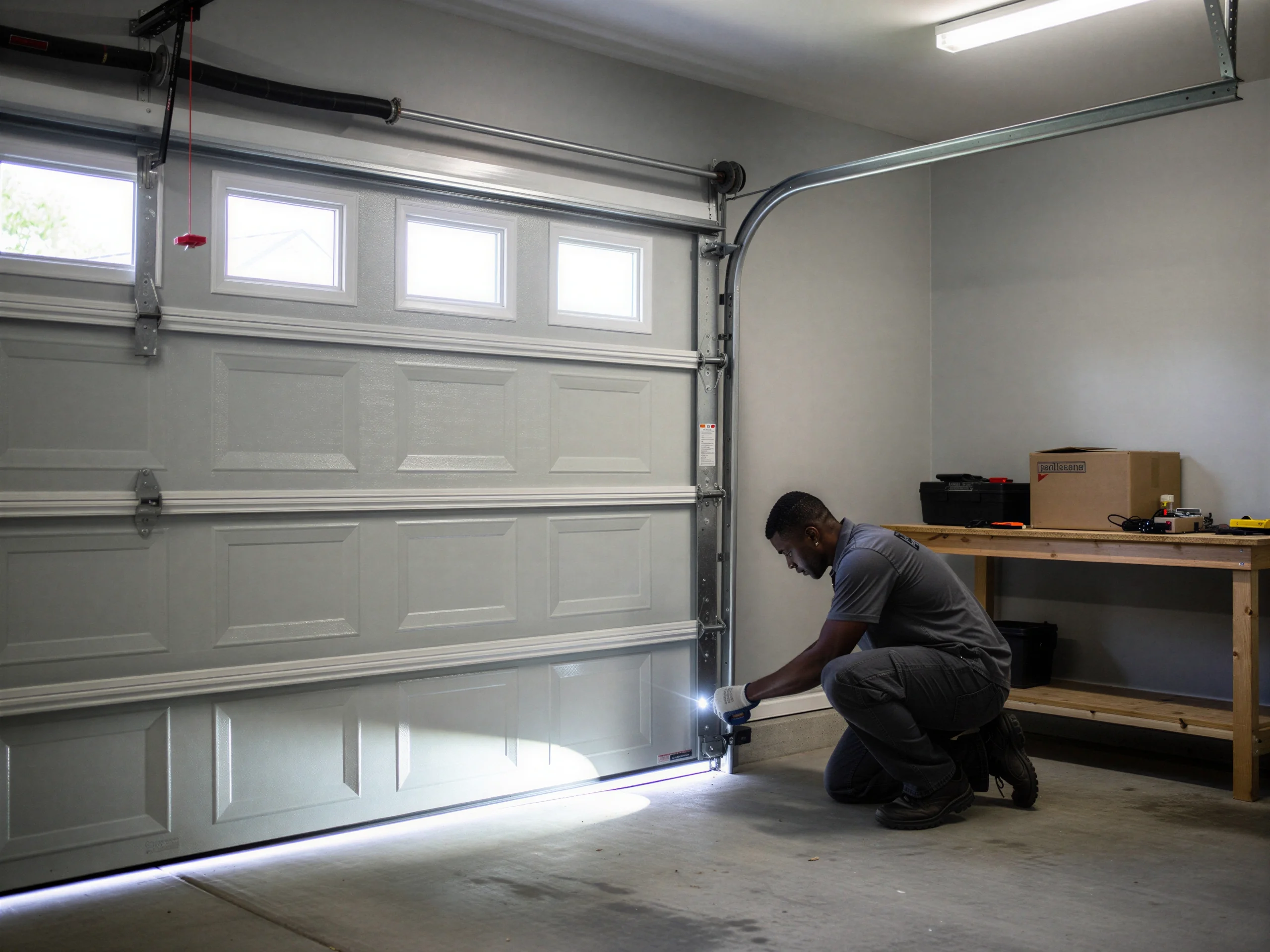
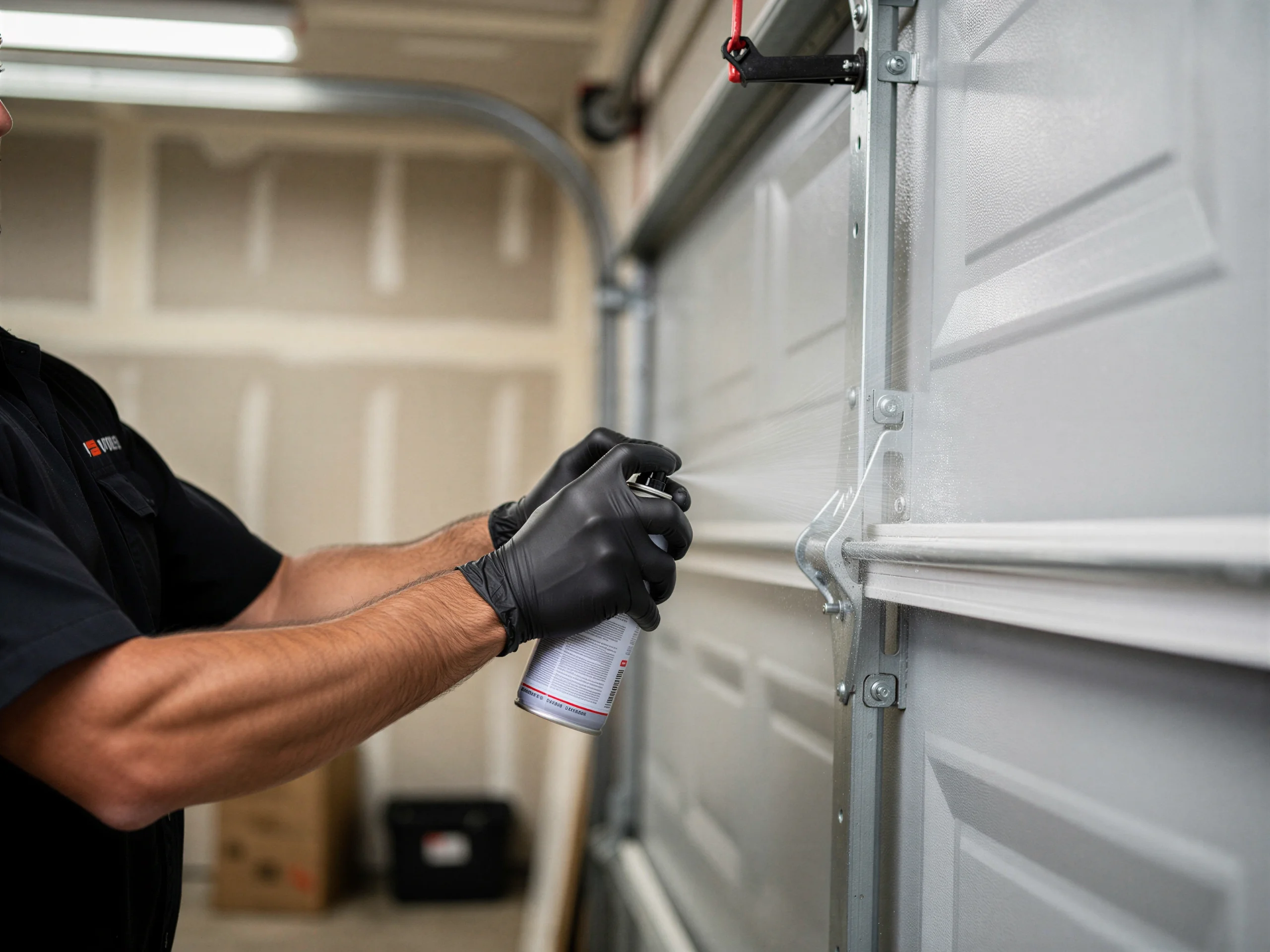
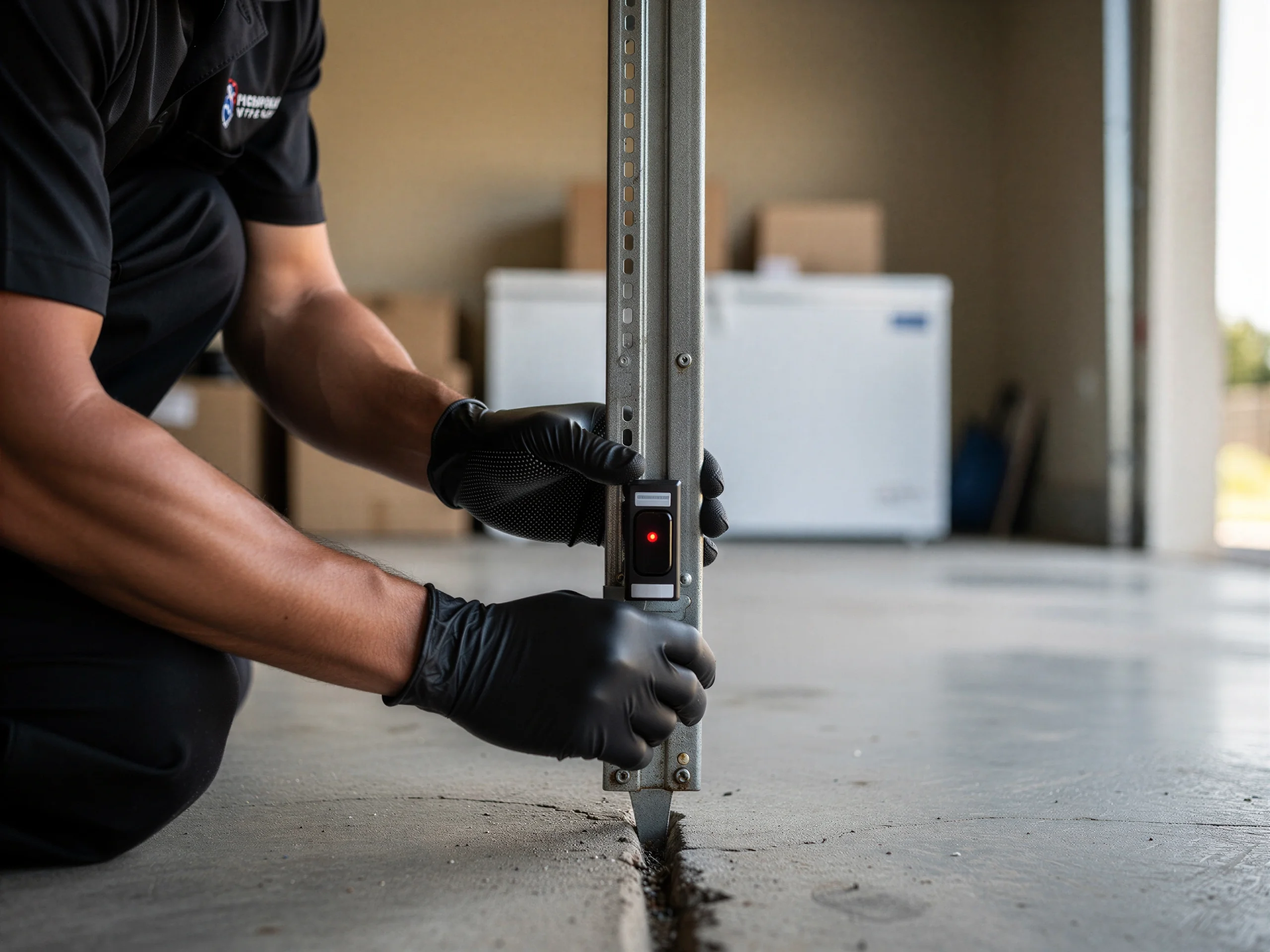
A technician in black gloves adjusts a garage door safety sensor.
Same-day serviceTrusted local pros
Serving Sunnyvale, CABackground-checked techsHonest, upfront pricingFast local response

On the truck

Parts We Carry

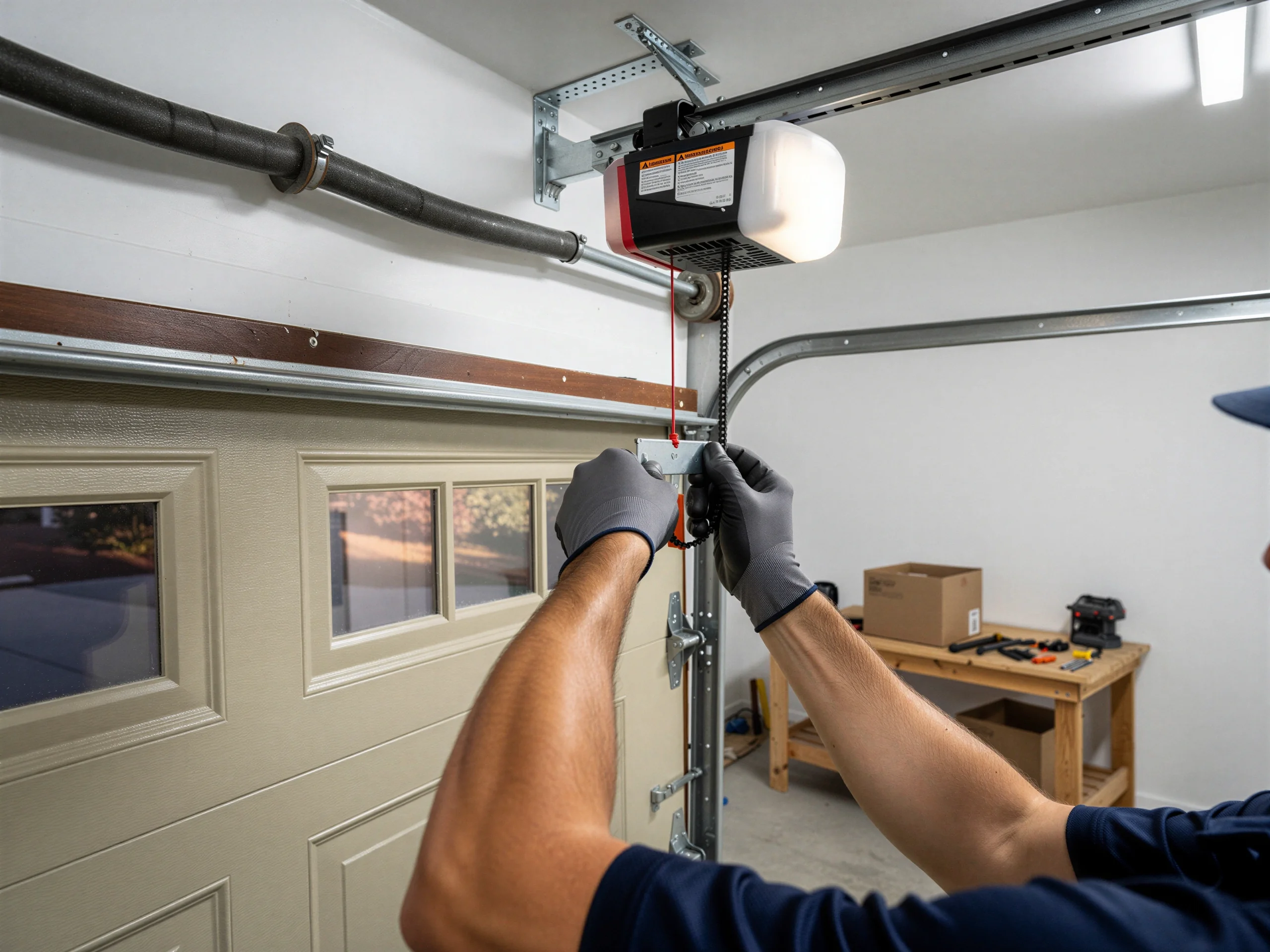
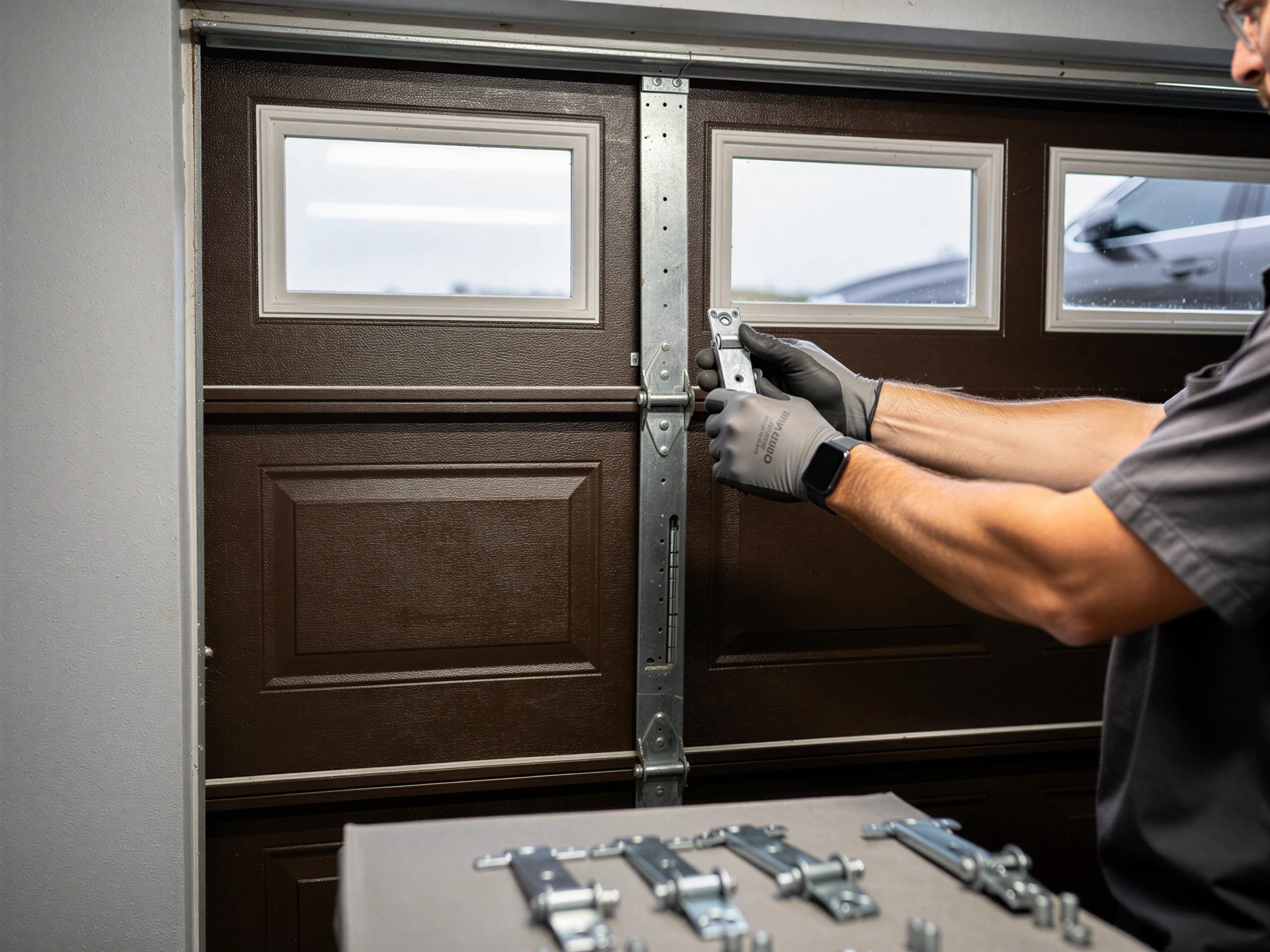
Most garages in Los Altos Hills went up around 1976, which puts them at the newer edge of the broader area's 1947-1987 building window. That matters for openers because a house built in the mid-70s typically got a heavier door than the stamped-steel panels common in the older tracts closer to Sunnyvale - custom wood or wood-composite doors were common on larger lots, and those doors put more load on a drive gear than the opener spec sheet from that era ever planned for. We carry drive gears and sprockets sized for both chain and belt units, circuit boards for the half-dozen opener brands that show up most in this area, trolley carriages, travel modules, safety sensor pairs, and replacement remotes and keypads. We also stock capacitors for older motor units, since a tired capacitor is often why an opener hums but won't lift. What we don't carry on the truck is every board for every opener ever made - if your unit is a less common model, we tell you that up front rather than guessing at a part that won't fit.

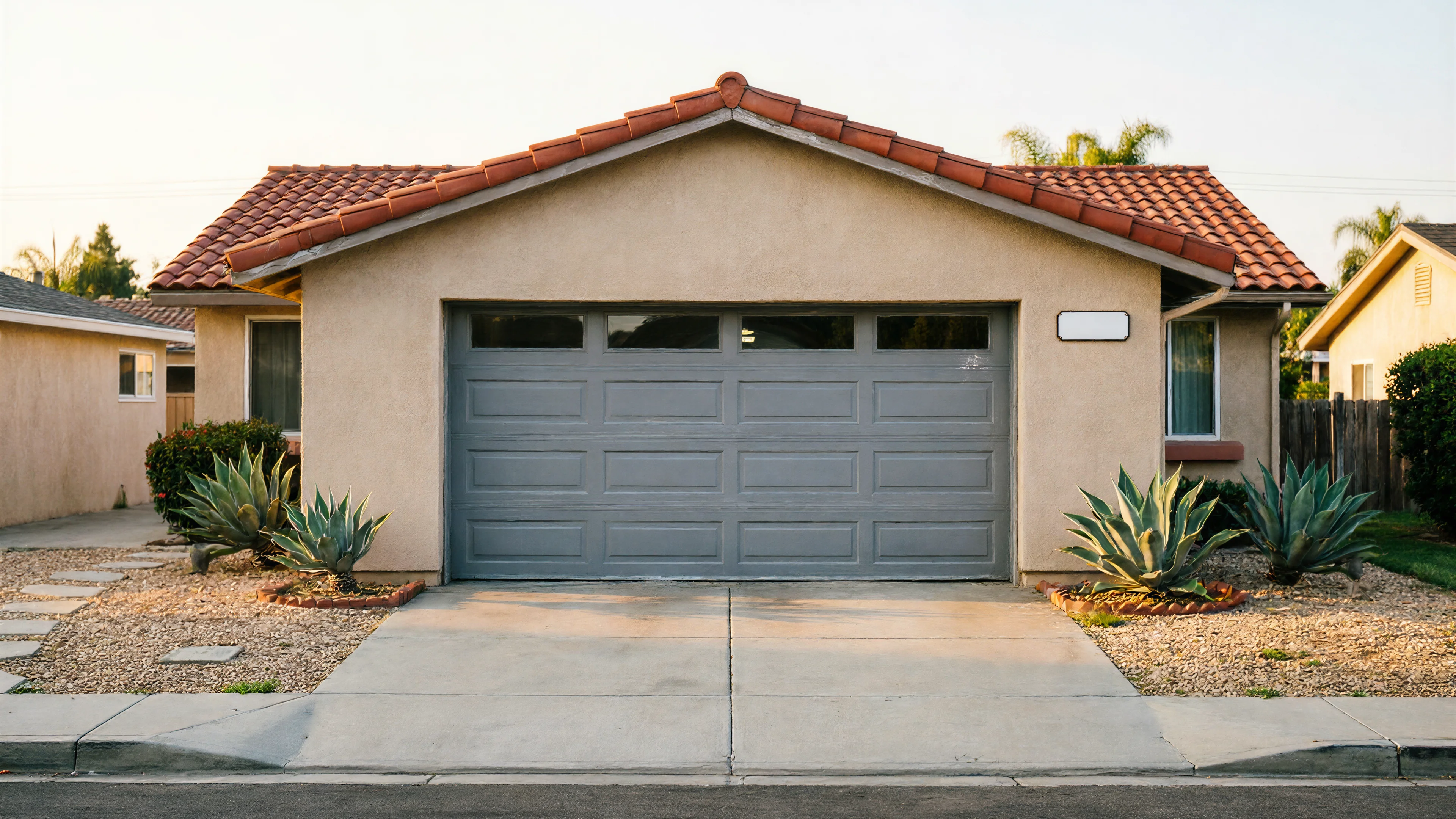
The house has a gray garage door with windows and a red tile roof.

Symptoms

The Symptom

The most common call from this part of the hills is an opener that runs - you hear the motor - but the door doesn't move, or it moves a few inches and reverses.

Plastic drive gear stripping

On a heavier mid-70s-era wood door, that's almost always a stripped or worn drive gear, not the motor itself; the gear is plastic by design so it fails before the motor burns out, and on a door this weight it fails sooner than it would on a lighter steel panel.

Close-limit drift reversing

The second most common complaint is a door that reverses right before it touches the floor, which usually traces back to the close-limit setting drifting on a unit that's been adjusted and readjusted over years of use. Less often we see a dead remote with a live wall switch, which points at the receiver board rather than the motor.

Repeat failures from weight

None of these are climate-driven failures - the mild temperature band here doesn't stress openers the way heat or cold cycling does elsewhere - so when we see repeat failures on the same unit, the door's weight relative to the opener's rated lift is usually the real cause.

DIY or pro

The DIY Question

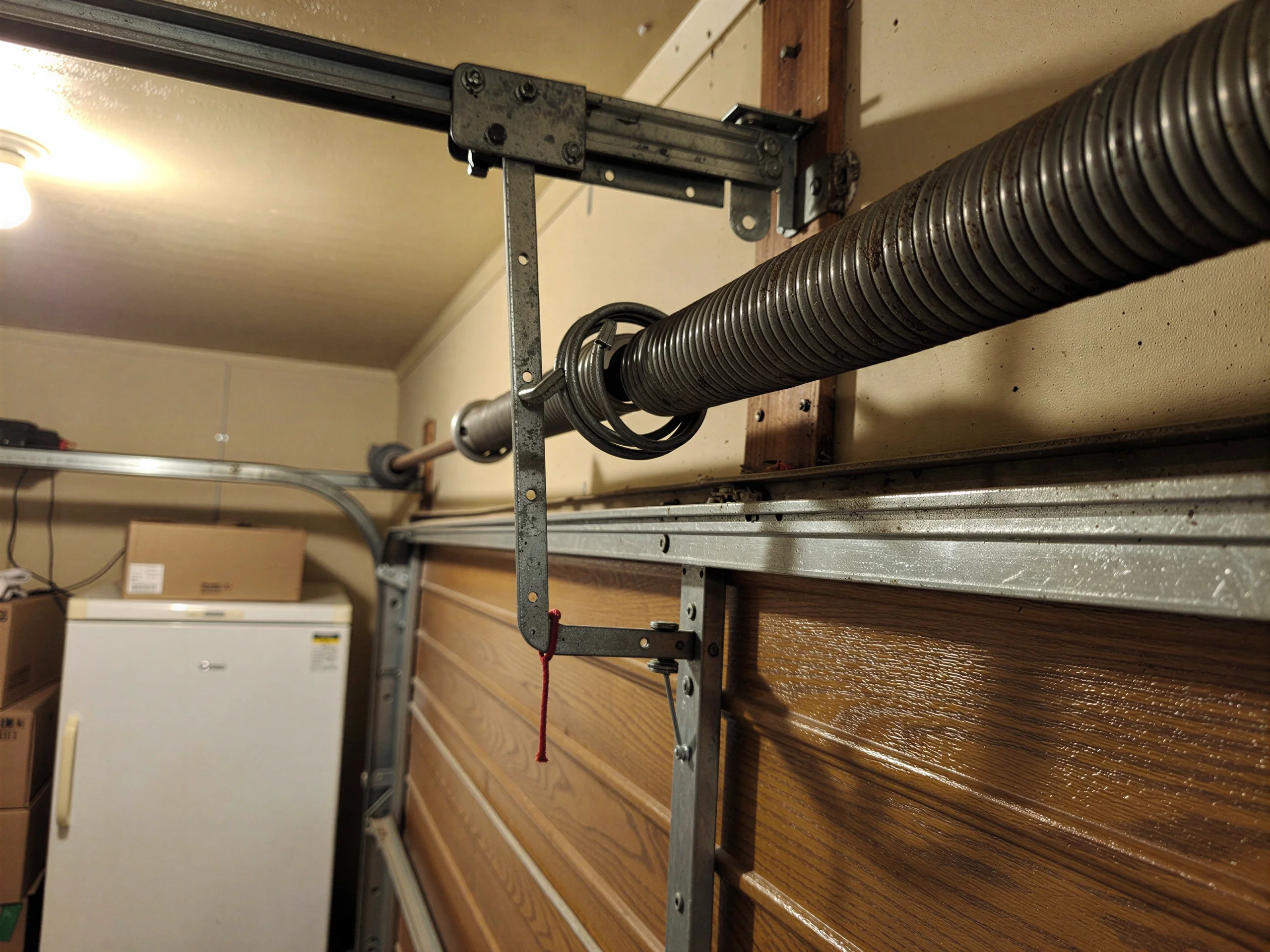
Checking the obvious things yourself is worth ten minutes before you call anyone. Pull the manual release cord and lift the door by hand - if it's heavy, uneven, or binds halfway, the opener isn't your actual problem and no amount of opener repair will fix a door that's out of balance. If it lifts smoothly and stays where you put it, the opener is probably the real issue. Check that the safety sensors near the floor are aligned and the small LED on each isn't blinking an error pattern; a knocked sensor is a five-minute fix anyone can do. What you shouldn't do yourself is open the opener housing to replace a drive gear or touch anything on the circuit board - the gear sits under spring tension from the chain or belt, and a board that looks intact can still have a failed relay you won't spot without testing it under load. That's the point where a DIY attempt usually turns a $150 part into a cracked housing and a full unit replacement.

A beige house with a brown garage door and a palm tree in the front yard.

The repair

What the Fix Involves

We drive the roughly six miles out from Sunnyvale with the opener parts we expect to need based on what you describe on the phone, plus the common spares for the handful of brands that show up across the area's 1960s-70s housing stock.

  1. Balance door before opener

    On site, the first step is always confirming the door itself is balanced and moving freely on its rollers and track before touching the opener - fixing a gear on an opener that's fighting an unbalanced heavy door just strips the new gear again in a few months.

  2. Inspecting gear and board

    If the door checks out, we open the opener housing, inspect the gear and sprocket for wear, test the circuit board's output to the motor, and check the travel and force settings against what the door actually needs.

  3. Horsepower matched to door

    Given the heavier doors common on larger lots in this area, we also check that the opener's horsepower rating is actually adequate for the door it's lifting - sometimes the opener failing is simply because it was undersized when it was installed.

Watch-outs

What Can Go Wrong

Three houses with brown garage doors and red tile roofs line a street.

The biggest misdiagnosis we see is a homeowner replacing an opener outright when the actual fault was a door out of balance from a broken or weakening spring - the opener motor was simply overworking to compensate, and a new opener on the same bad door fails again within a year or two. Safety sensors are another spot where things go sideways: if they're misaligned rather than failed, replacing them doesn't fix anything, and we've seen sensors swapped twice before anyone checked the alignment. On the heavier custom doors more common on larger properties here, an opener rated for a standard steel panel will burn through drive gears repeatedly no matter how many times it's repaired, and at that point the honest answer is a higher-capacity opener rather than another gear. We won't keep selling you gears on a unit that's underpowered for your door - that's a repair that doesn't actually solve the problem.

Questions

Common questions

Why does my opener keep stripping the same gear?

On a heavier wood or composite door, which is common on larger Los Altos Hills lots, the opener's drive gear takes more load than it does on a lighter steel panel. If it's stripped more than once, the opener's lift rating is likely undersized for the door, and replacing the gear again just repeats the failure.

Is it the opener or the door causing the problem?

Pull the manual release and lift the door by hand. If it's heavy, uneven, or binds, the door or its springs are the real issue and no opener repair fixes that. If it lifts smoothly on its own, the opener is the more likely culprit.

Do you keep opener parts in stock for a same-day fix?

We bring common opener parts - gears, boards, sensors, capacitors - based on what you describe when you call, and travel out from Sunnyvale, about six miles. Less common opener models sometimes need a part ordered, and we'll tell you that before the visit, not after.

Does the climate here cause opener failures?

Not really. This area sits in a mild temperate band, so openers here don't see the heat or cold cycling that wears out seals and lubricants elsewhere. Most of the failures we find trace back to door weight and gear wear rather than weather.

Ready when you are

Garage door opener acting up in Los Altos Hills?

Sunnyvale Garage Door Pros repairs and installs garage doors, springs and openers in Sunnyvale, CA and the surrounding area.

Call Now(408) 786-3362