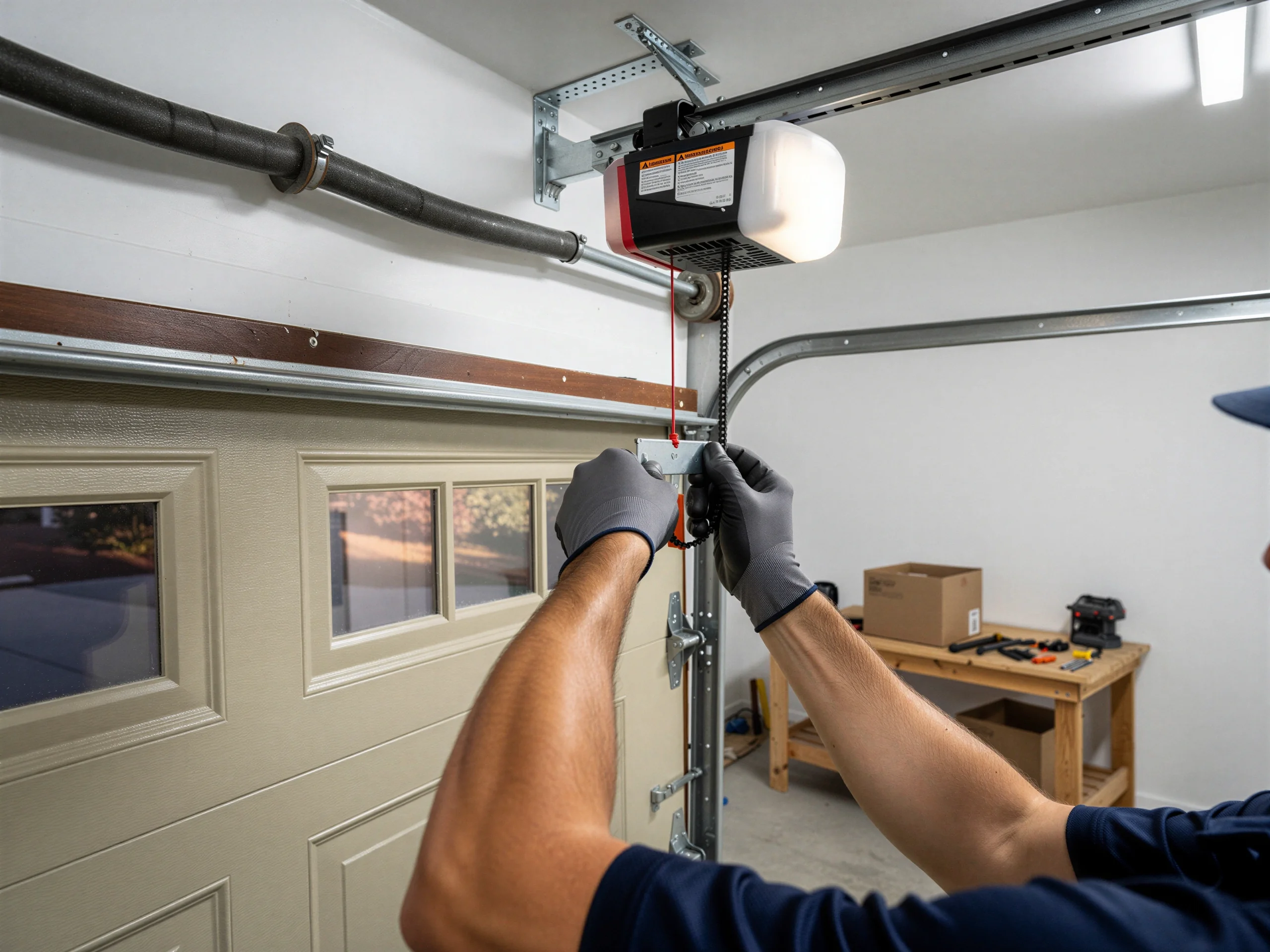
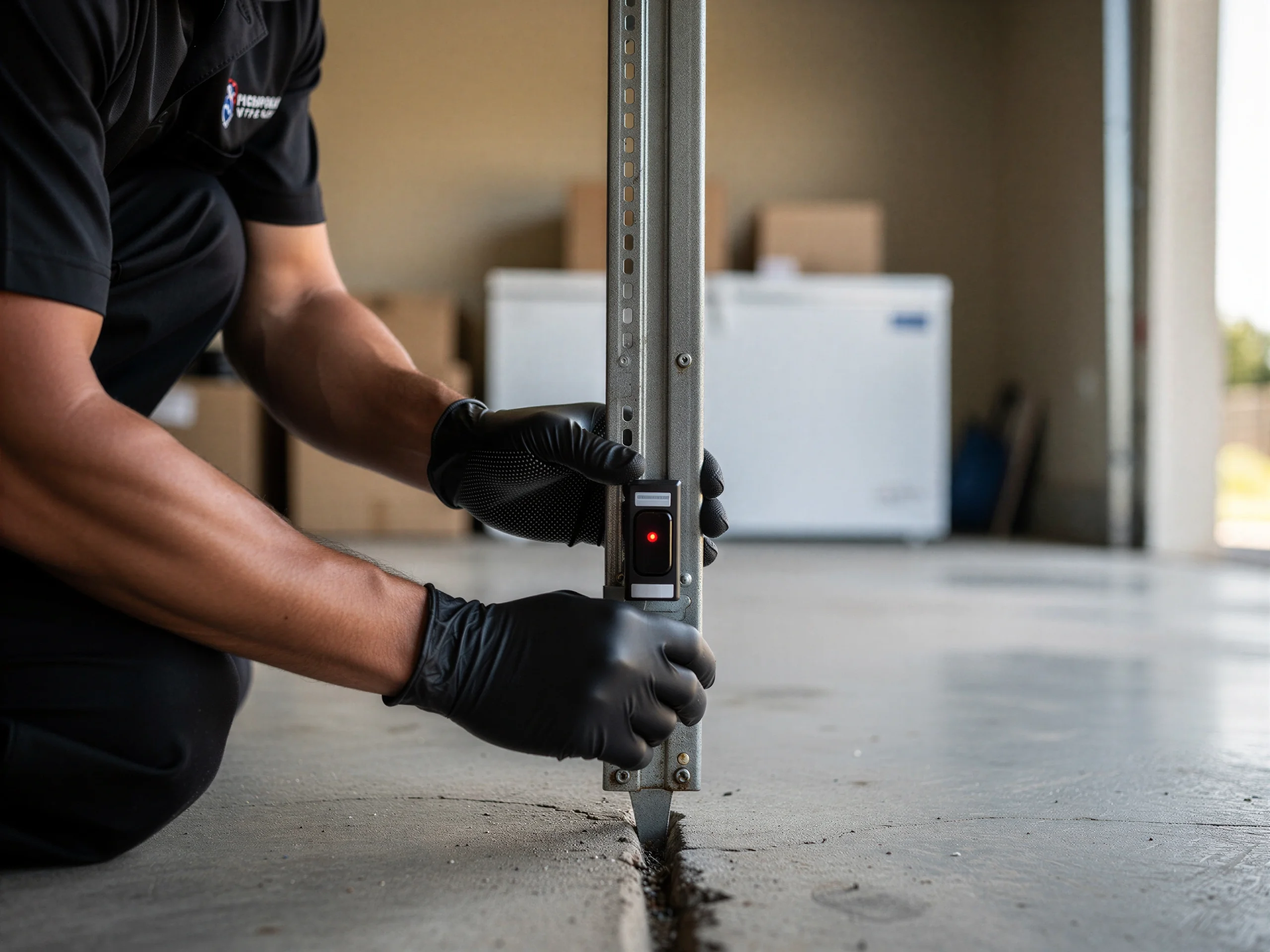
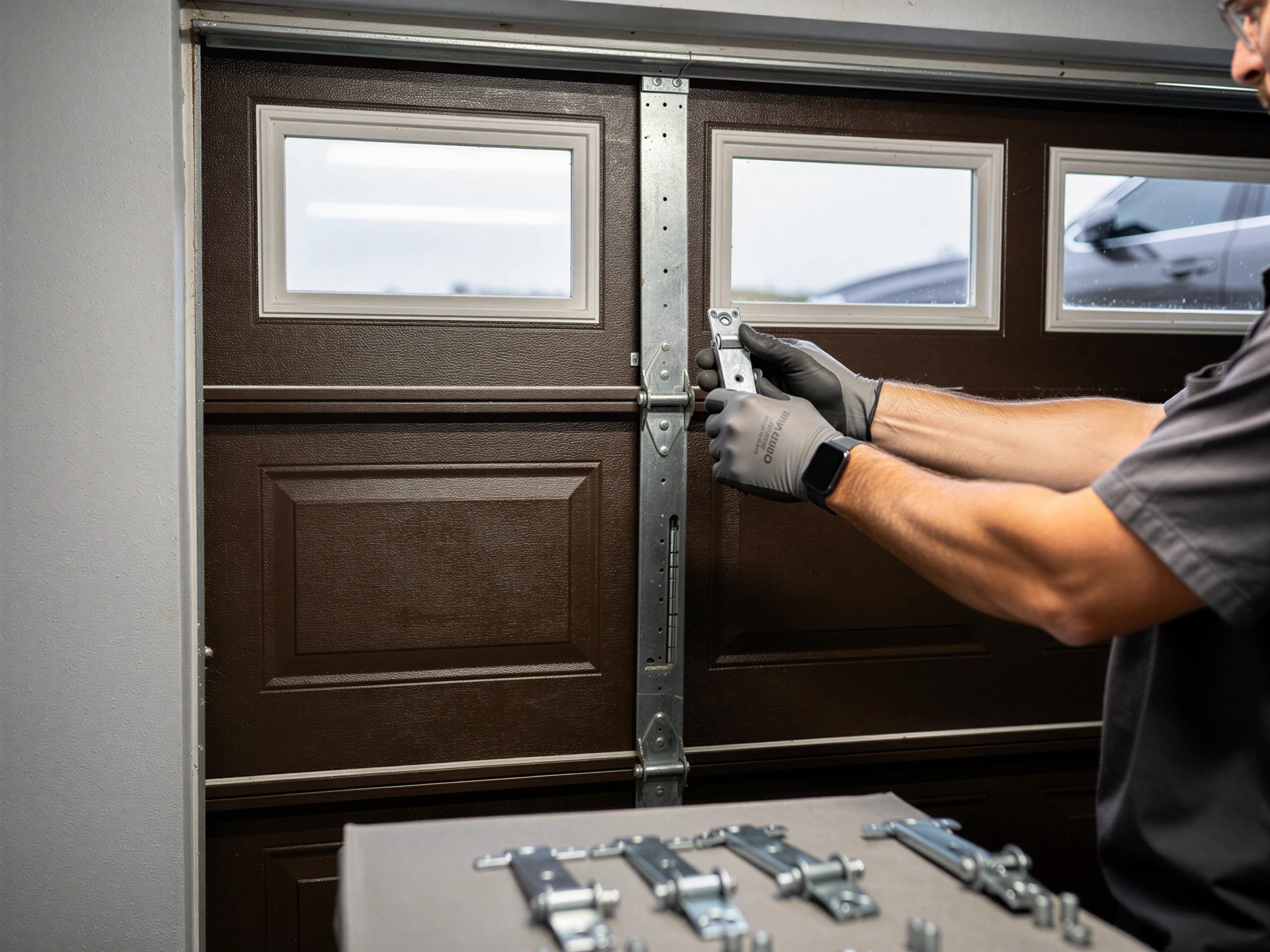
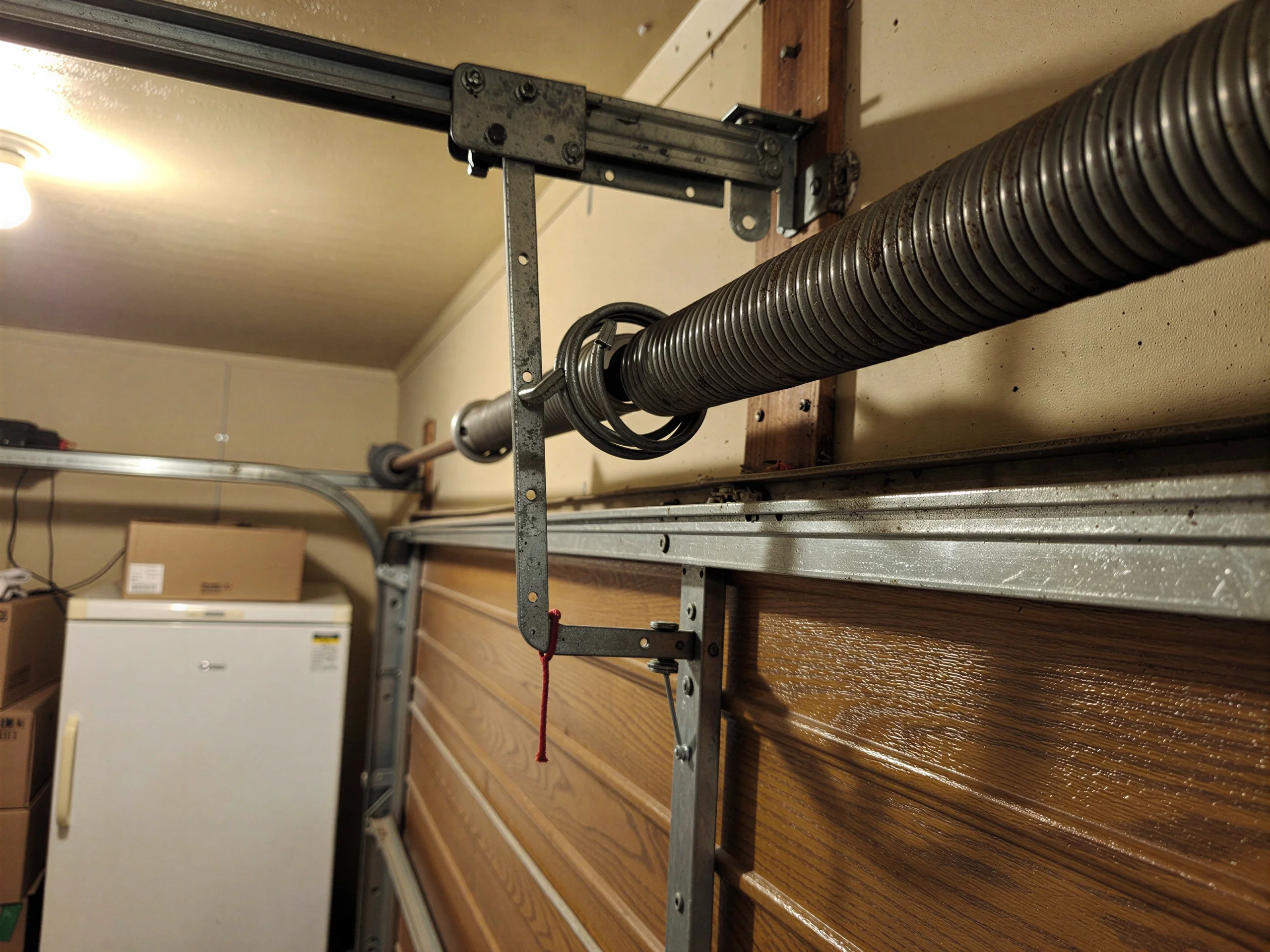
Sunnyvale's housing stock runs from 1947 to 1987, with a median build year of 1964 across the whole service area. Loyola sits a touch later than that, with a median build year of 1971. It sounds like a small gap, but it's the difference between early torsion-spring conversions and the more standardized galvanized track and extension-spring setups that became common by the early 1970s. A door crew that assumes every house in the area matches the 1964 median will show up expecting the wrong hardware.
Loyola is about 5 miles from our Sunnyvale base, close enough that a job here runs on the same schedule as the rest of the territory. The area is small too - 1,273 households, a fraction of the roughly 110,090 owner-occupied houses across the wider service area - so we're not dealing with dozens of different eras on one street. Most doors in Loyola came in within a tighter window than you'd see in an older pocket of the city, which means parts matching is more predictable, not less.
The mild temperate climate here (no hard freeze, no long humid stretch) means the failures we see are mechanical and age-driven: spring fatigue, roller wear, opener gears wearing down after a decade or two of daily cycles. Weather isn't doing the damage. Time and use are.