
Hidden second spring failure
On the double doors common in this era's floor plans, a single broken spring on a two-spring setup will often still let the door look like it's working, right up until the second spring goes and the door comes down hard.
Loyola, Sunnyvale
Loyola is a small pocket of about 1,273 households 5 miles from Sunnyvale, mostly built in the early 1970s. Here's why torsion springs fail on these doors and what fixing one costs.
Local causes
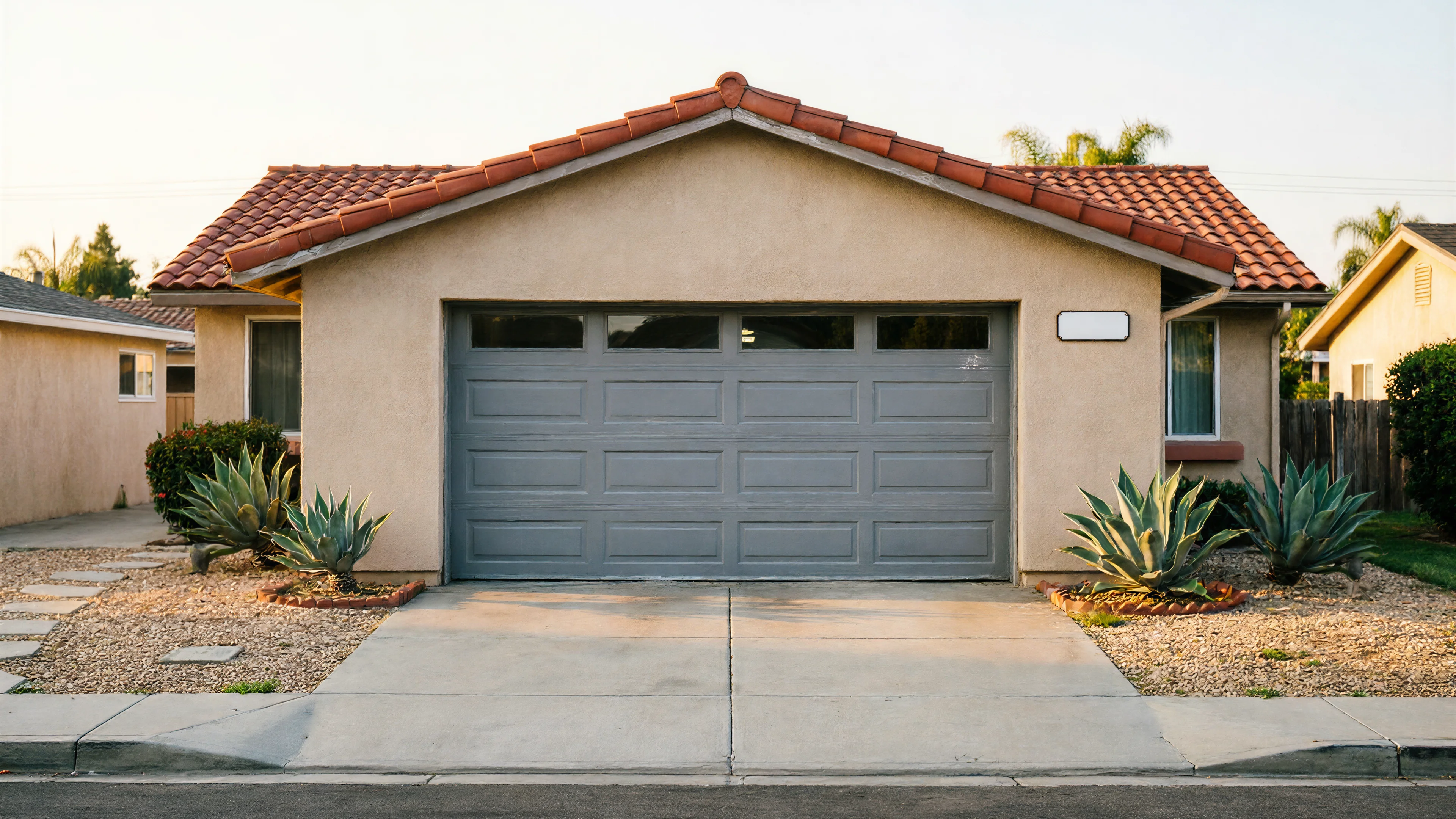
Loyola is small - around 1,273 households, not a sprawling grid like some of the named areas nearby - and most of those houses went up around 1971, which puts it right in the thick of the 1947-1987 build window across this part of the service area. That matters for spring work because a door built in the early '70s almost always came with a torsion spring sized for the original steel panel weight, not for whatever heavier insulated door a later owner may have swapped in. When we get a call from this pocket, it's usually one of two things: the original spring finally giving out after decades of cycles, or a spring that was replaced once already with the wrong wind or wire gauge for the door now hanging on it. We're coming from Sunnyvale, about 5 miles out, so the drive isn't long, but we still want to know the door's age and whether it's been touched before, because that changes which spring we bring.
Watch-outs
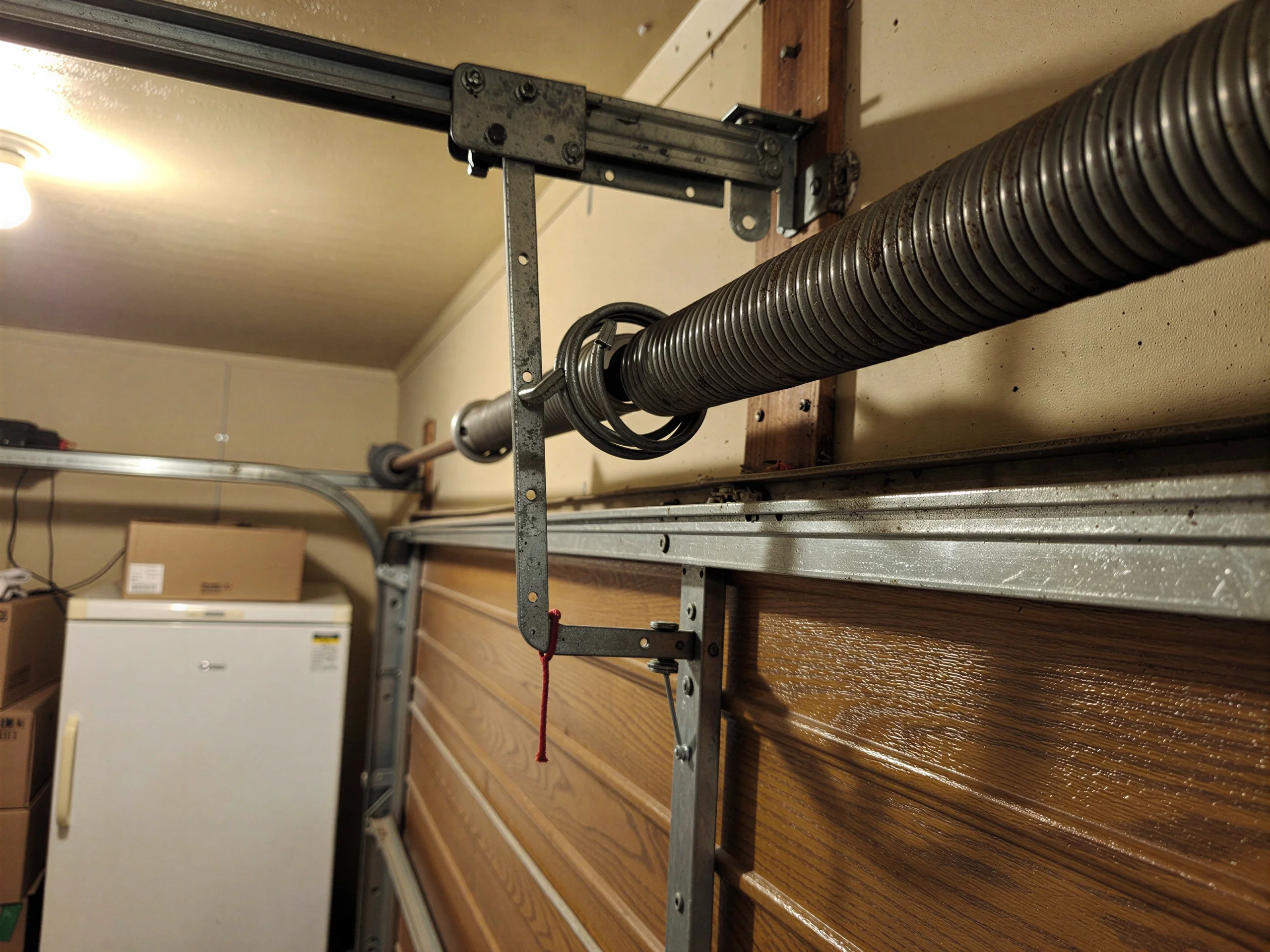
A torsion spring doesn't usually snap without warning - it loosens its wind over years of temperature swings, even in a mild climate like this one, and the door starts drooping unevenly or the opener starts straining on lift.
On the double doors common in this era's floor plans, a single broken spring on a two-spring setup will often still let the door look like it's working, right up until the second spring goes and the door comes down hard.
We also see cable fraying on the drum side once a spring is under-tensioned, because the door's weight starts riding on the cable and track instead of being balanced by the spring.
On older torsion hardware from this build window, the bearing plate and center bracket are usually original too, and those can be worn enough that a spring swap alone doesn't fix the noise or the sag - worth knowing before you assume one part is the whole problem.
DIY or pro
We'll say it straight: don't do this one yourself. A wound torsion spring stores enough force to break a hand or worse, and the winding bars and tension gauge that make it safe aren't things most homeowners have sitting in a drawer. Garage door springs are one of the few home repairs where the margin for error is genuinely low, not just inconvenient. If you're the kind of owner who likes to handle your own maintenance, there's still plenty you can do - keep the track clean, watch for fraying on the lift cable, listen for grinding when the door opens - but leave the spring itself to someone with the bars and the clamp. It's not a confidence thing, it's a physics thing.
Symptoms
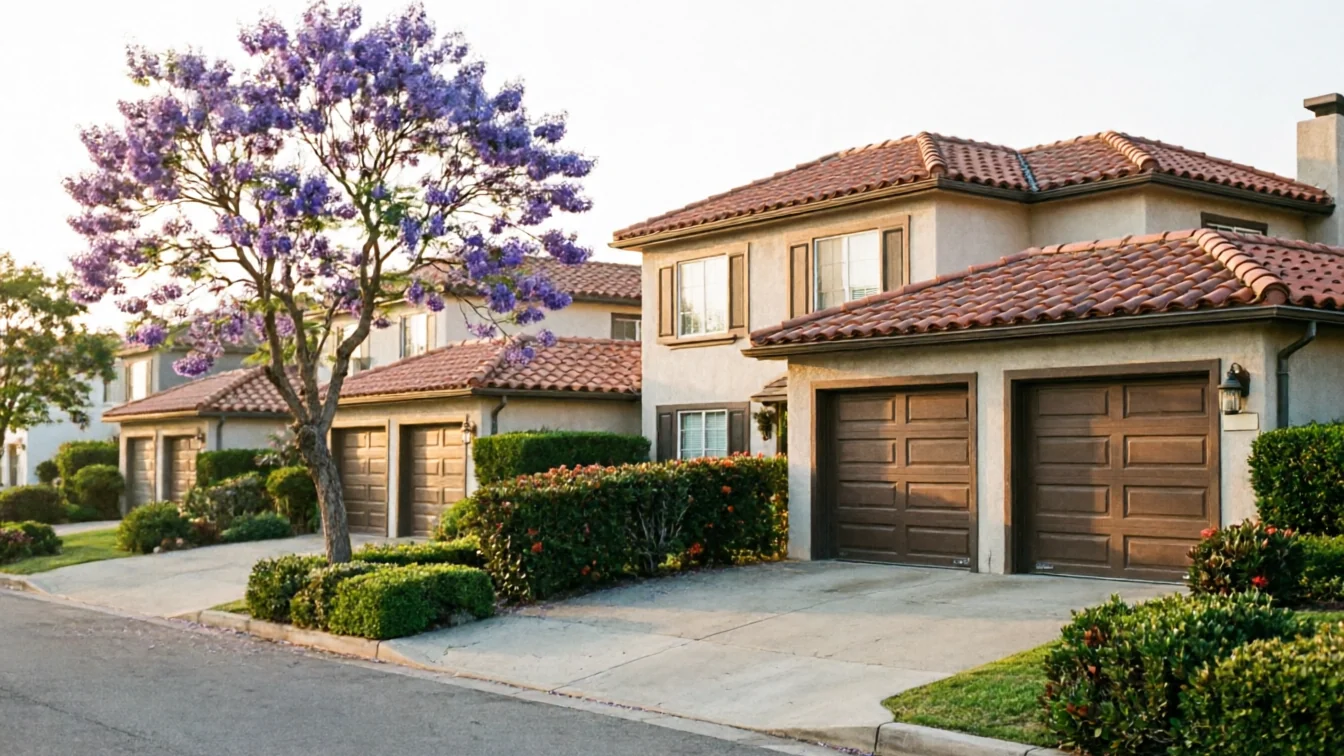
The giveaway is almost always the same: the door feels heavier than it used to, the opener strains or reverses partway up, or you hear a loud bang from the garage and now the door won't budge at all. On a door from this build era, that bang is very often the torsion spring itself letting go, since the original hardware has had fifty-plus years of cycles to wear down. If the door is noticeably crooked when it's halfway open, that's one spring still holding while the other has already failed - stop opening it and call. We travel out from Sunnyvale to handle these, and we'd rather look at the actual door and bracket before quoting a fix, since what's original from 1971 and what's been replaced since can change which spring and which hardware we need to bring.
Questions
If nobody's touched it, you're looking at original hardware from the early '70s, which is well past the service life of most torsion springs. Even a spring that's been replaced once may be decades old by now. We check the winding and wire gauge against the door's actual weight before assuming the existing spring size is still correct.
No - we run out of Sunnyvale, about 5 miles from Loyola, and bring the spring and hardware sized for your specific door on the call rather than keeping a local stock point. For torsion springs that's actually better, since wind and wire gauge vary and guessing wrong means a second trip.
You can, but we usually recommend replacing both at the same time on a double door. If one spring failed from age, the other is on the same clock, and mismatched spring age is a common reason doors run unevenly after a single-spring repair.
Explore more
Ready when you are
Sunnyvale Garage Door Pros repairs and installs garage doors, springs and openers in Sunnyvale, CA and the surrounding area.