
Gradual decline signs
None of these show up as a sudden break most of the time - they show up as a door that's gotten slower, louder, or slightly crooked going up.
Loyola, Sunnyvale
Loyola homes went up around 1971, mostly with original hardware still on the door. Sunnyvale Garage Door Pros services this 5-mile stretch with that in mind.
Local causes
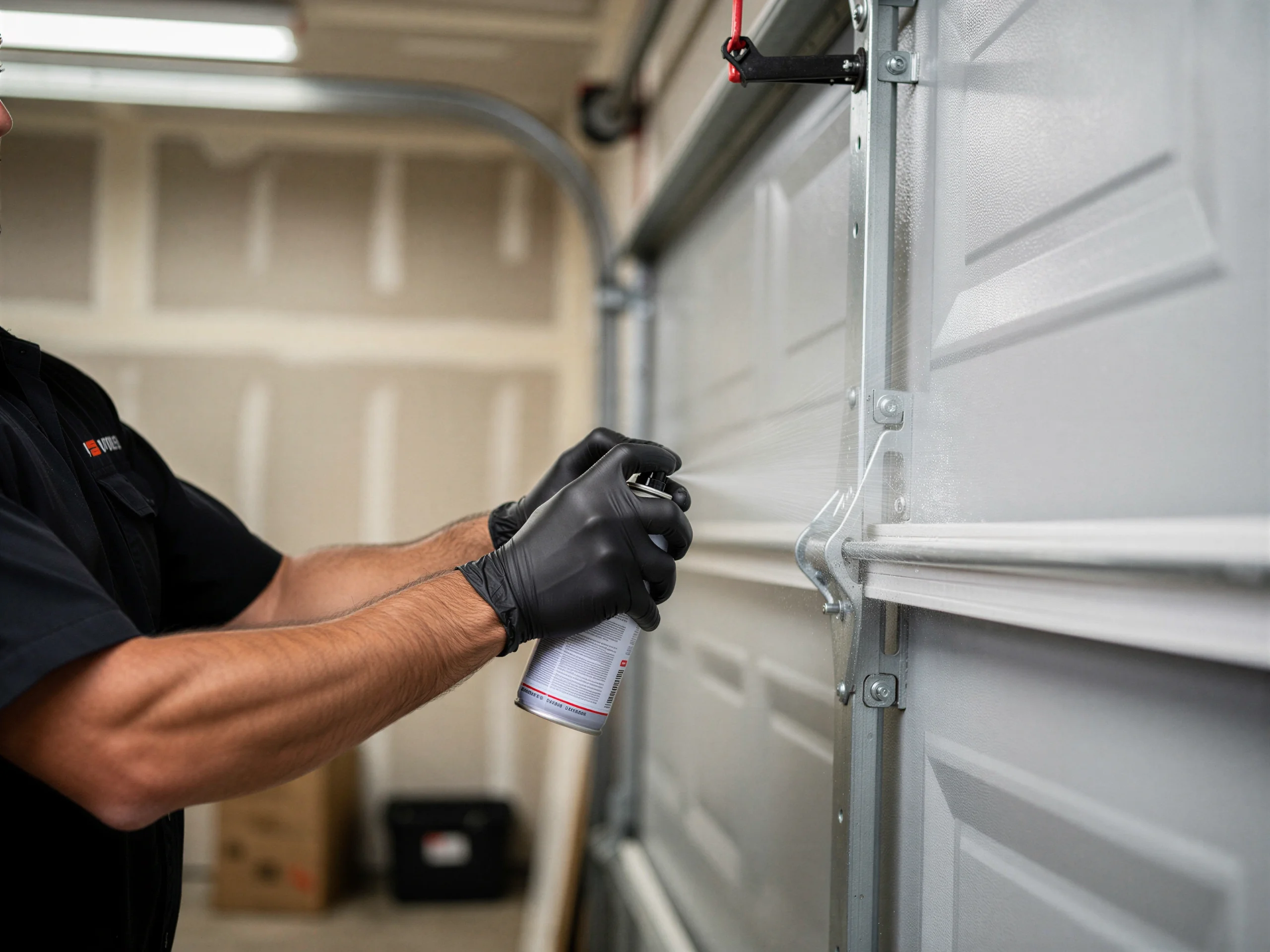
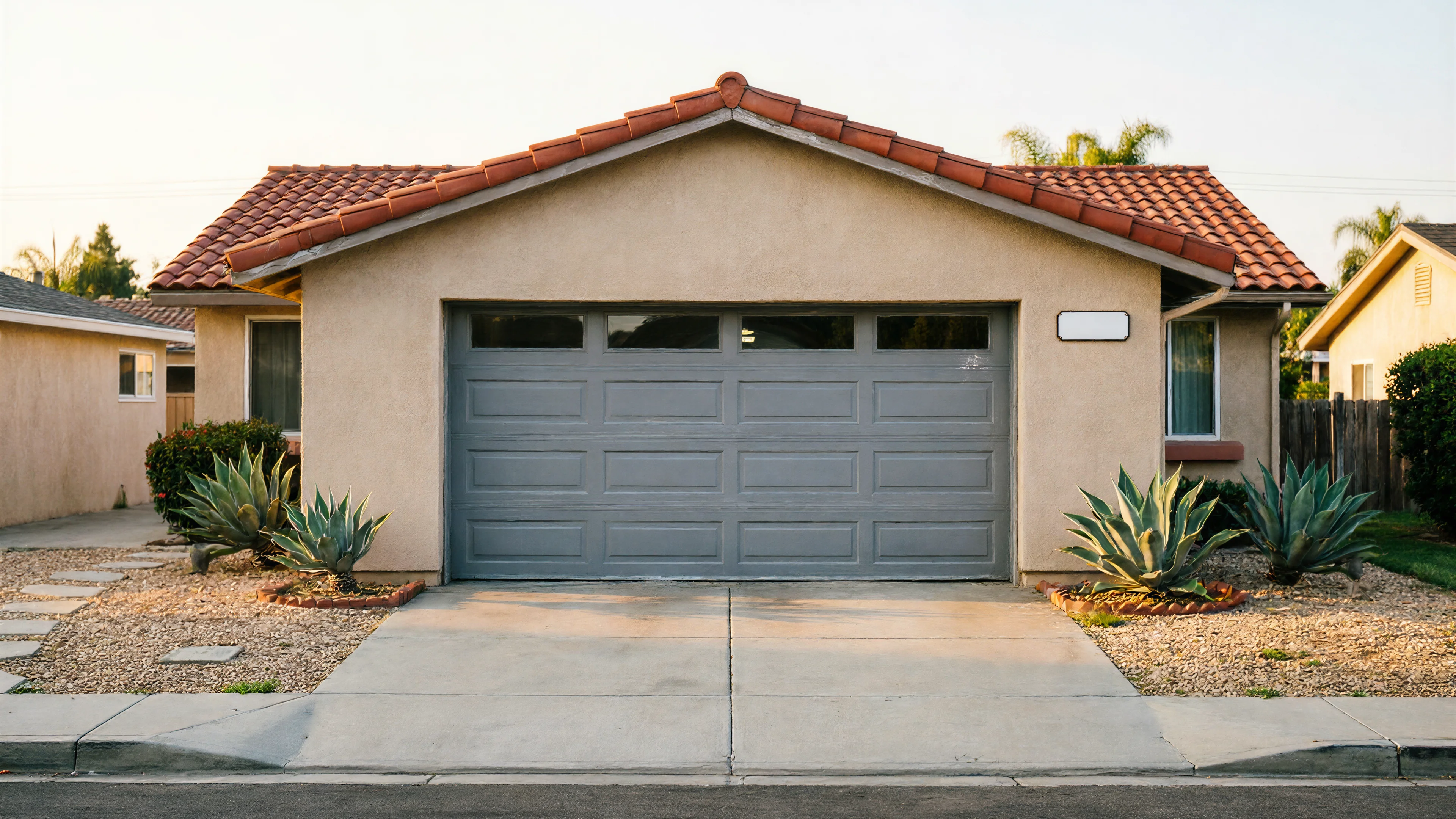
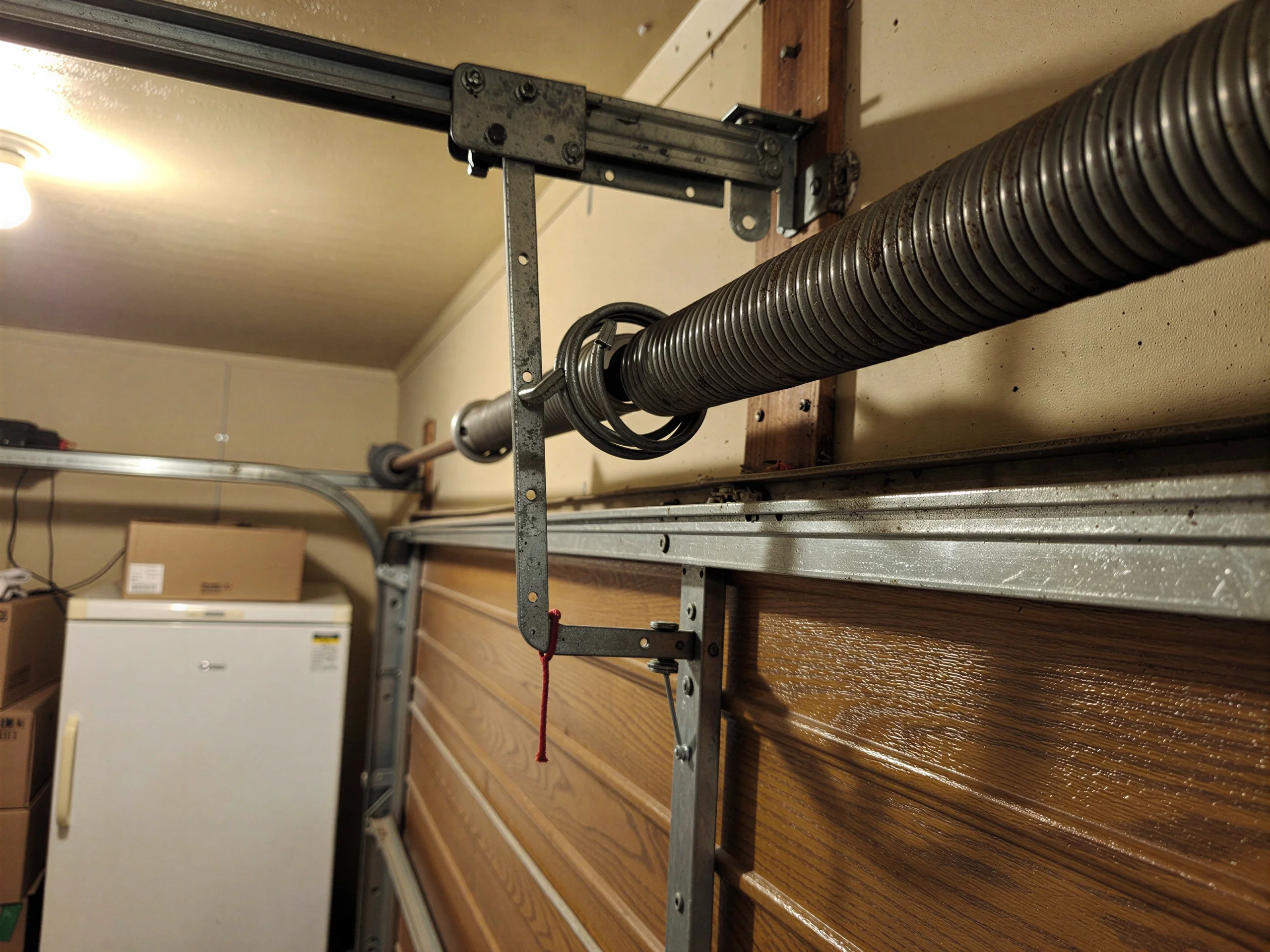
Loyola's housing stock centers on 1971, which puts it near the middle of the broader 1947-1987 build window across this part of the service area. What that means on a service call: a lot of these doors still have their original torsion springs, original lift cables, and original roller brackets, because nobody had a reason to touch them before now. A door that's run on the same hardware for over fifty years isn't failing from one bad part - it's wearing down everywhere at once, just slowly enough that an owner doesn't notice until a cable frays or a spring goes. With only 1,273 households in Loyola, this isn't a mass-produced tract pattern repeated block after block the way it is in larger nearby areas - but the era is the era, and 1971 steel and 1971 lubrication practices behave the same whether the house sits on a busy street or a quiet one. We come out from Sunnyvale, about 5 miles off, and the first thing we check on any maintenance visit here is whether the spring and cable are factory-original before we look at anything else.
Watch-outs
On a door this age, the common failure points are the torsion spring losing tension after decades of cycles, the lift cables fraying where they wrap the drum, and the roller brackets working loose from the track over years of small vibrations.
None of these show up as a sudden break most of the time - they show up as a door that's gotten slower, louder, or slightly crooked going up.
The mild temperate climate here doesn't put the same stress on hardware that extreme heat or cold would, so when something does fail on a Loyola door, it's almost always age and cycle count catching up with it rather than weather damage. That's actually good news for maintenance: a yearly check of spring tension, cable condition, and bracket hardware catches most of this before it turns into an evening call.
What we can't do is make fifty-year-old lubrication and paint tell us everything - once a spring's been repainted or recoated over the years, judging its remaining life by eye alone isn't reliable, and that's the one honest limit of a visual inspection.
DIY or pro
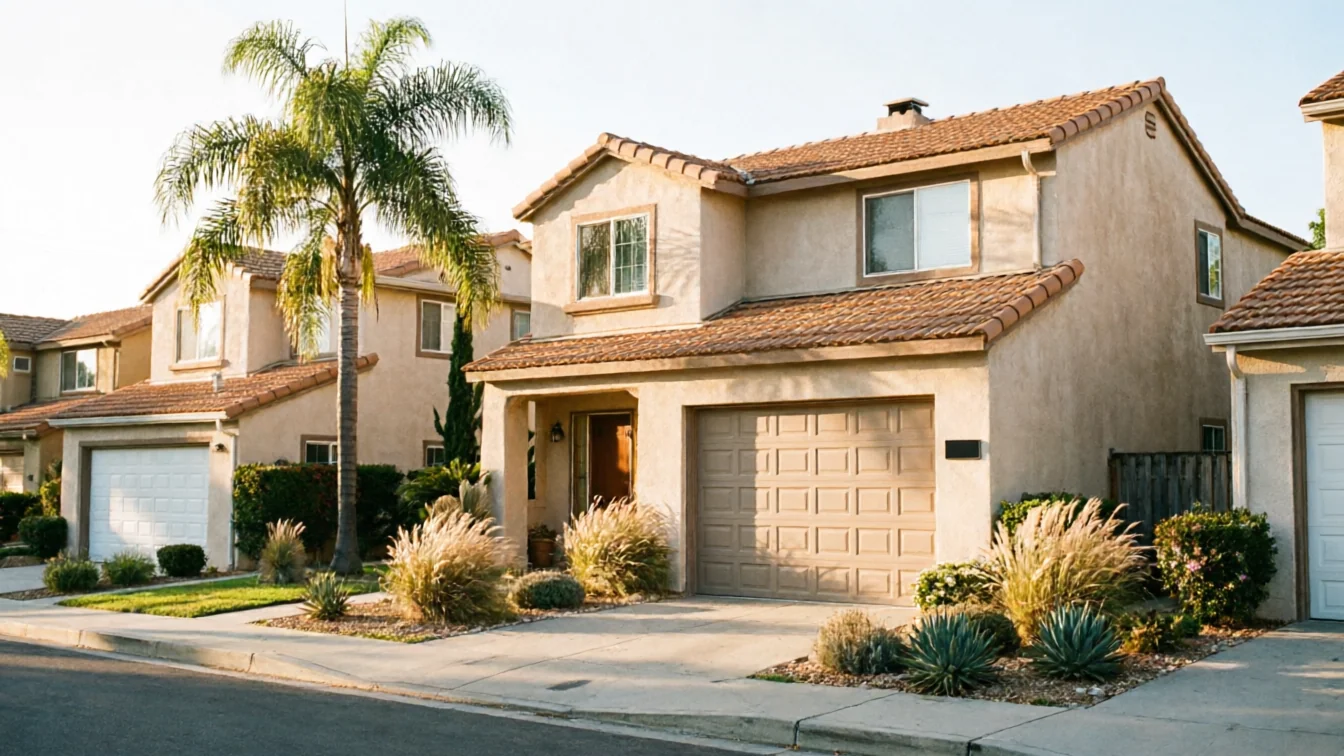
Checking your own door between visits is reasonable - listen for new grinding or popping sounds, look at whether the door sits level when it's down, and watch for rust starting on the spring coils. Those are things any owner can do without tools. What's not a DIY job on a door this old is touching the torsion spring itself. A spring under tension that's been sitting on the same shaft since 1971 doesn't give much warning before it lets go, and the leverage involved can do real damage to a hand or a face. Lubricating hinges and rollers with the right product is fine for an owner to handle. Adjusting spring tension, replacing a cable, or pulling a roller bracket that's pulled loose from the track is where it stops being a weekend project and starts being a call to someone who does this daily.
Symptoms
Serving Sunnyvale, CA
If a Loyola garage door has started opening unevenly, hesitating partway through its cycle, or making a new noise it didn't make six months ago, that's usually original hardware telling you it's near the end of its service life, not a one-off glitch. On a door built around 1971, that symptom is more likely to be a spring or cable issue than anything electronic, simply because the mechanical parts have had decades longer to wear than any opener that's been swapped out along the way. We look at tension, cable condition, and track alignment together rather than guessing at one part, because on hardware this old the three usually fail in sequence, not isolation.
Questions
Most houses in Loyola went up around 1971, and it's common for the original torsion spring, cables, and roller brackets to still be on the door. Nothing about age alone means it's unsafe, but it does mean the parts have had five decades of cycles on them, which is worth checking yearly rather than waiting for a failure.
No. We're based in Sunnyvale, about 5 miles away, and we travel out to Loyola for maintenance and repair calls. There's no separate branch or depot in town.
We'd advise against it on a door this age. A torsion spring under tension that's sat on the same shaft since the early 1970s can let go with enough force to injure someone, and the original hardware around it may not be in the condition it looks like from the ground. It's a job for someone doing it routinely.
On a 1971-era door, yes - worth it specifically because it still works. A spring or cable near the end of its life often performs normally right up until it doesn't, and a yearly check catches tension loss and fraying before they turn into a stuck door or a snapped cable.
Explore more
Ready when you are
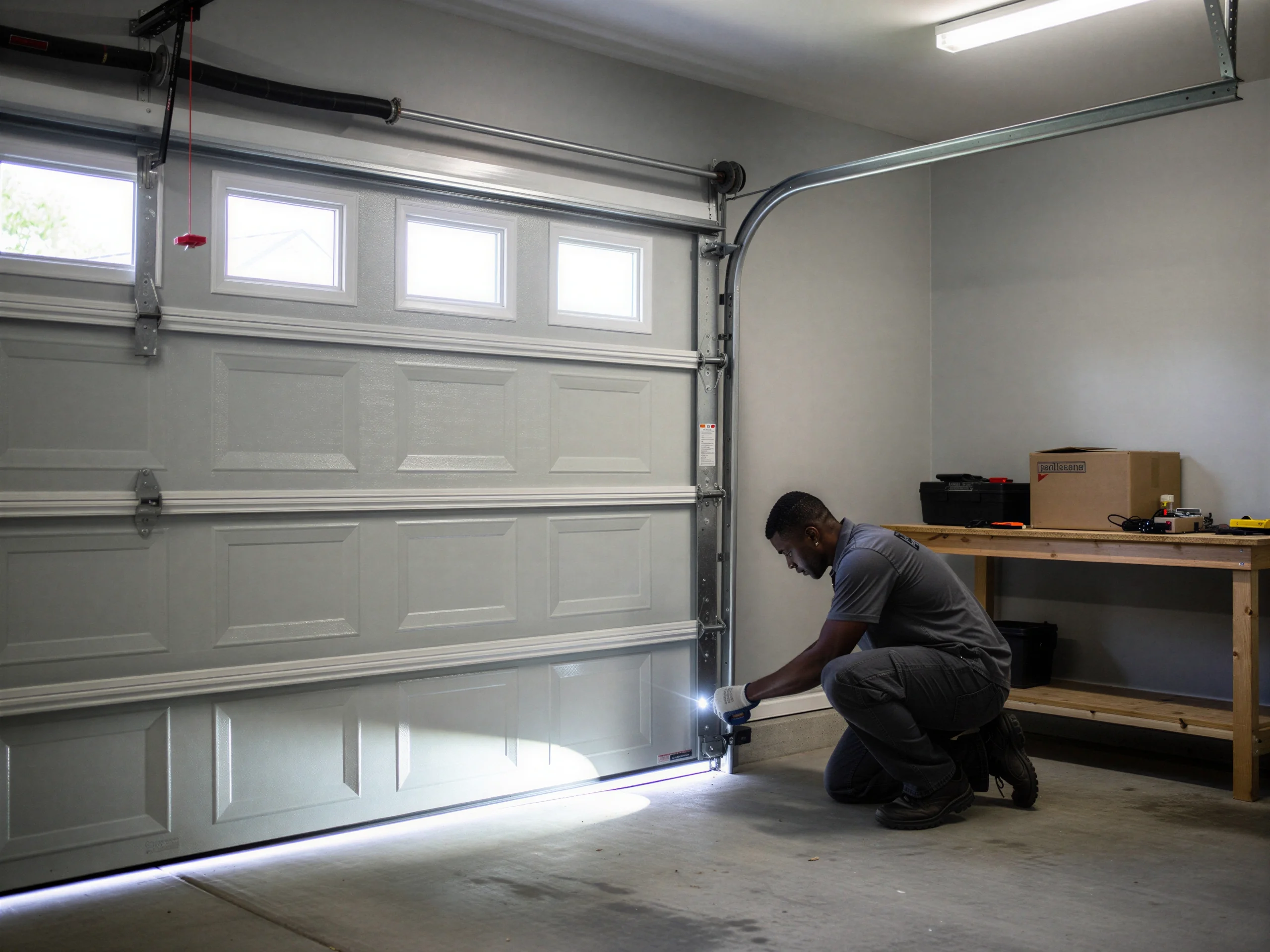
Sunnyvale Garage Door Pros repairs and installs garage doors, springs and openers in Sunnyvale, CA and the surrounding area.