Fast garage door repair in SunnyvaleCall (408) 786-3362

Loyola, Sunnyvale

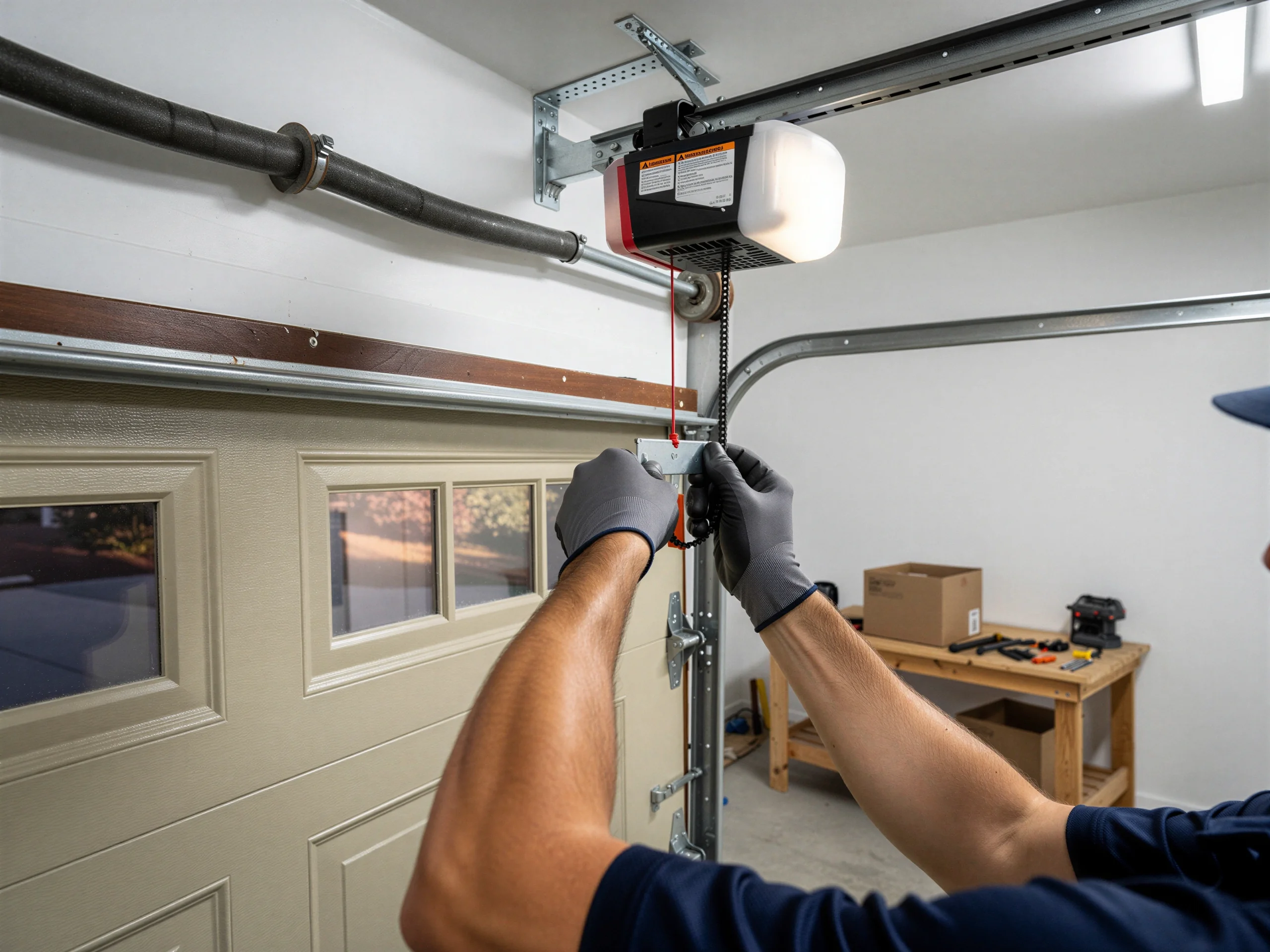
Opener Repair for Loyola Homes

Loyola's homes mostly went up around 1971, which means openers that have been swapped out two or three times since. We drive the 5 miles from Sunnyvale to fix what's actually on your rail.

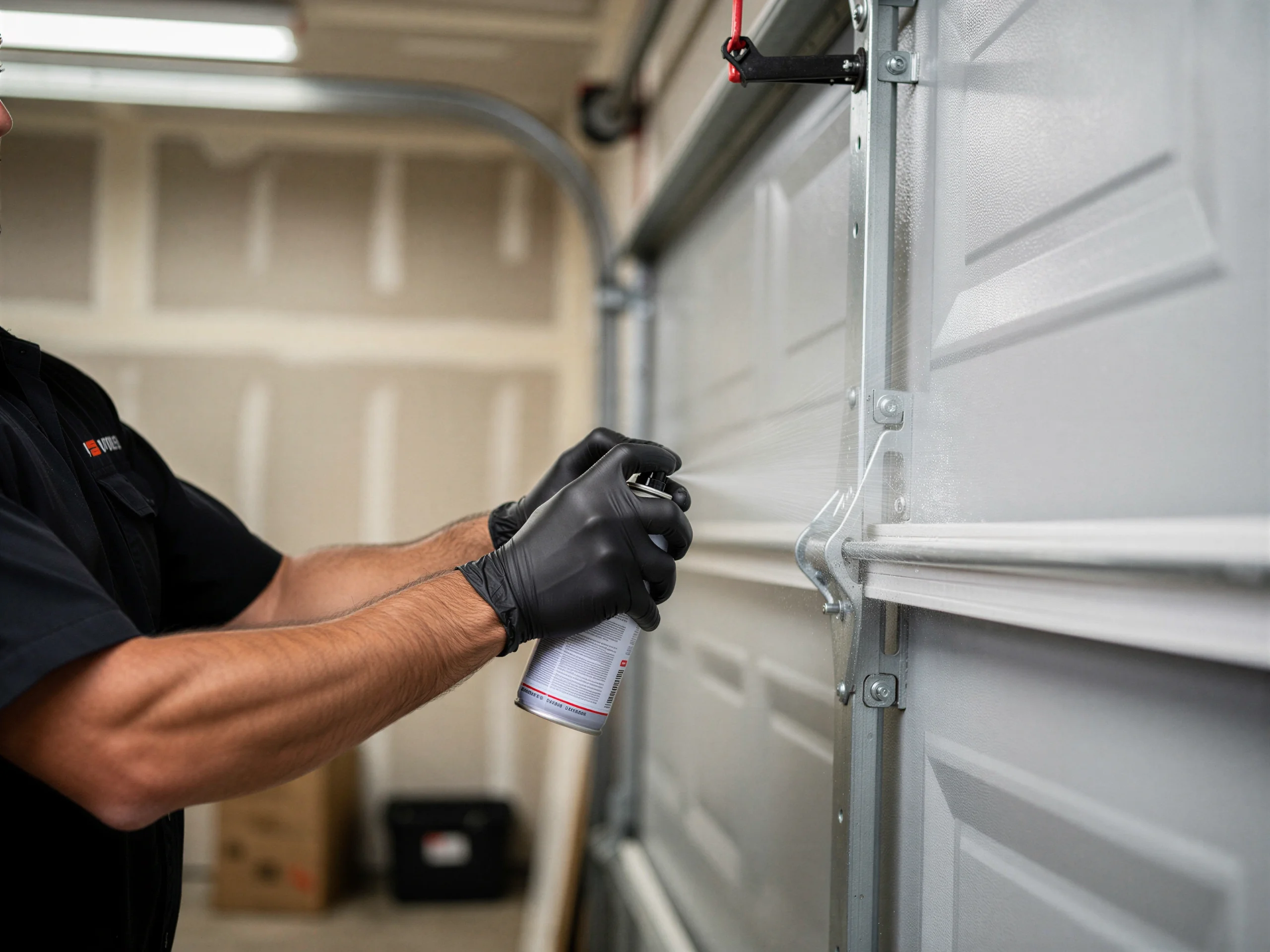
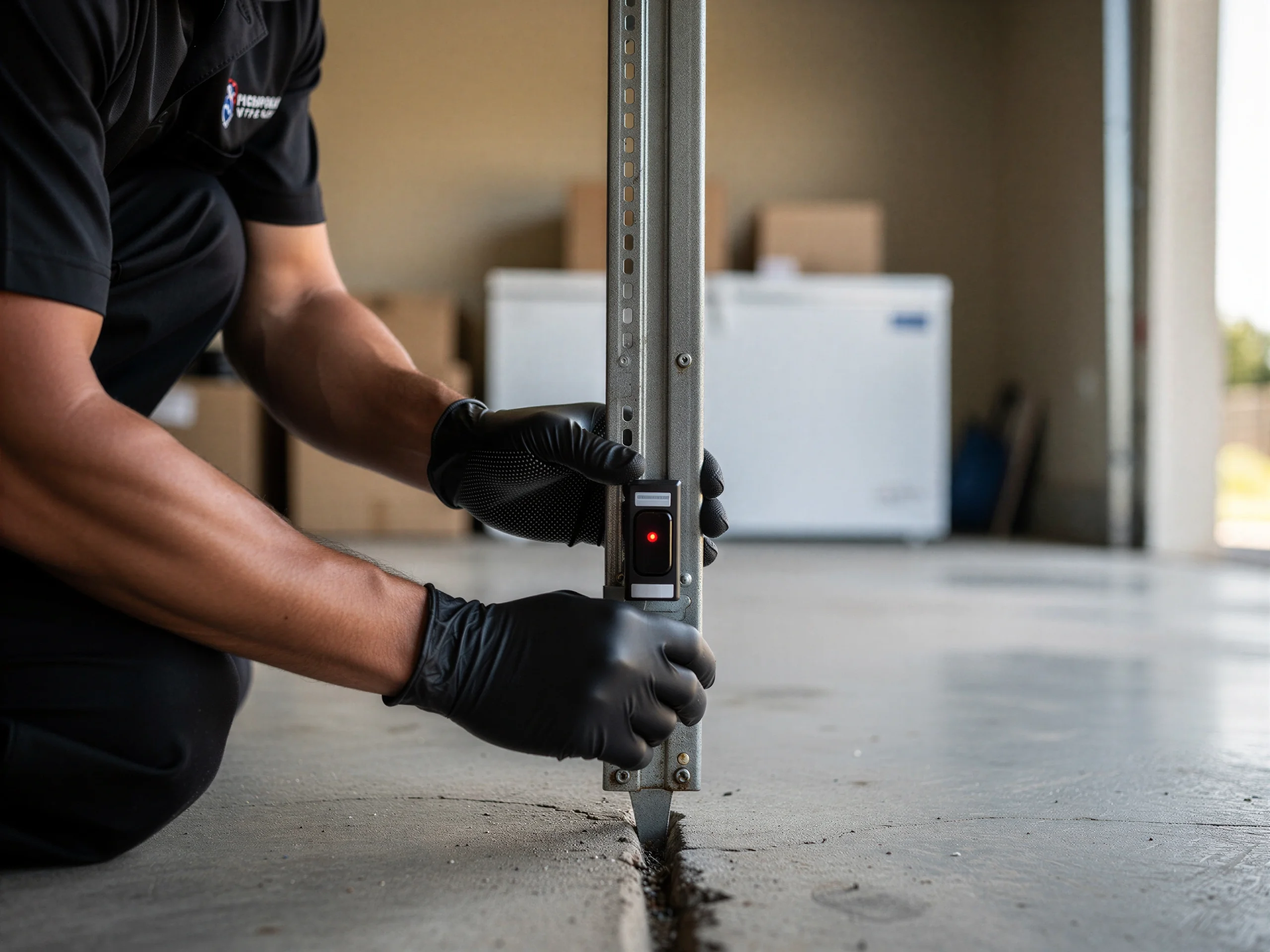
A technician in black gloves adjusts a garage door safety sensor.
Same-day serviceTrusted local pros
Serving Sunnyvale, CABackground-checked techsHonest, upfront pricingFast local response

Local causes

Why It Happens Here

Most houses in Loyola went up around 1971, which puts this neighborhood squarely in the chain-drive era. The opener that shipped with a garage door back then was a simple relay-logic unit with a single wall button and no photo-eye sensors - those didn't become standard until years later. What that means in practice is that almost nothing on your rail today is original. A house built in 1971 has usually been through two or three openers by now, each one installed by a different crew, on brackets and header boards that were never resized to match. We see mismatched travel limits, sensor eyes bolted on as an afterthought, and wall buttons wired into junction boxes that predate the opener by decades.

With only 1,273 households in Loyola, this isn't a neighborhood with a dozen production-built tract models all sharing one wiring diagram - it's a mix of retrofits layered over fifty-plus years of ownership changes. That makes diagnosis a matter of tracing what's actually there, not assuming what should be there. The mild year-round climate here doesn't stress openers with freeze-thaw cycling or extreme heat, so when a unit fails in Loyola, it's almost always wear, a bad retrofit, or a part nearing the end of its service life - not weather damage.

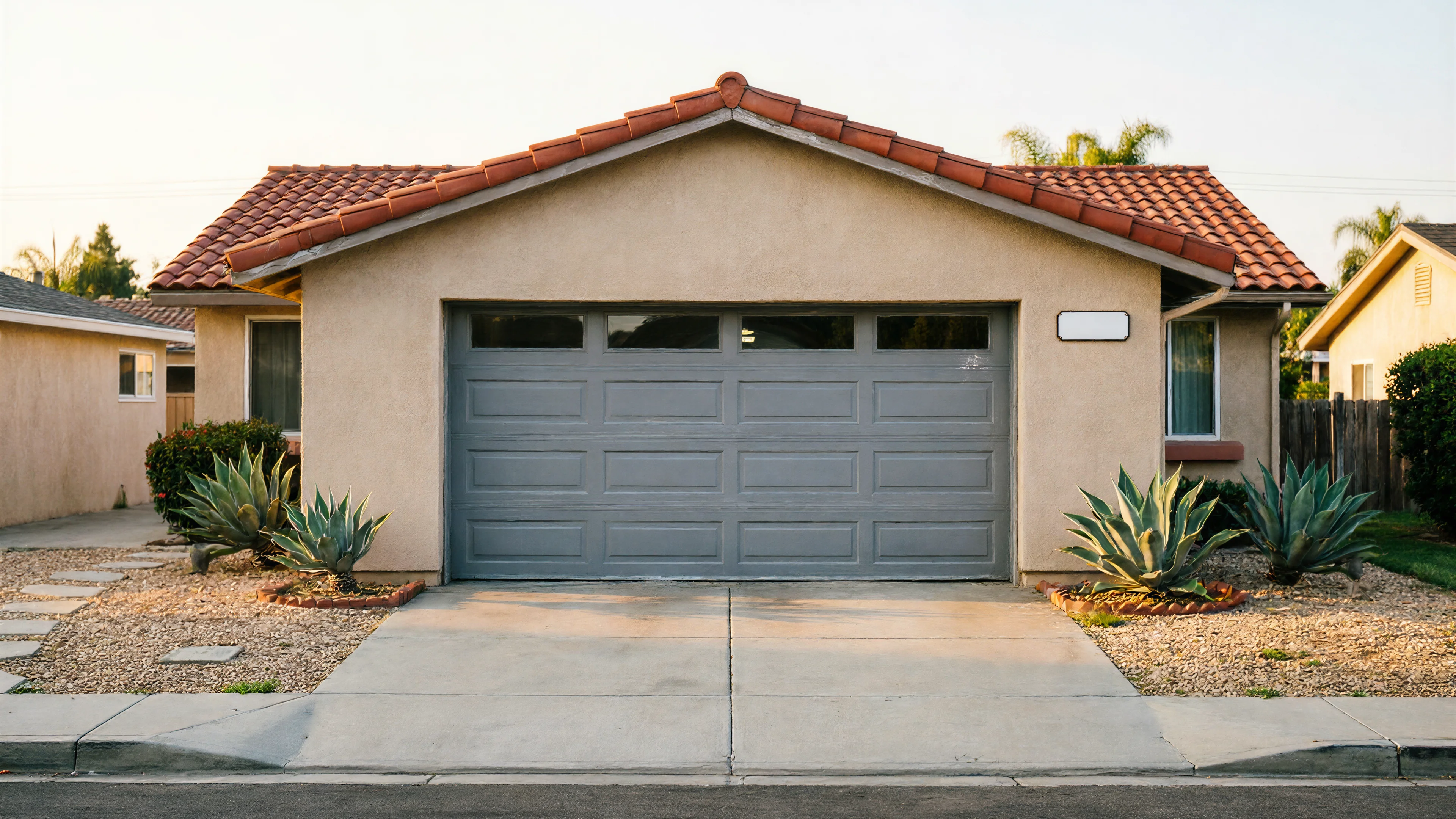
The house has a gray garage door with windows and a red tile roof.

Watch-outs

What Can Go Wrong

The most common failure we find on 1971-era Loyola houses is a logic board that's been replaced once already, running on a chain-drive mechanism original to a different opener generation.

Chain stretch and no release

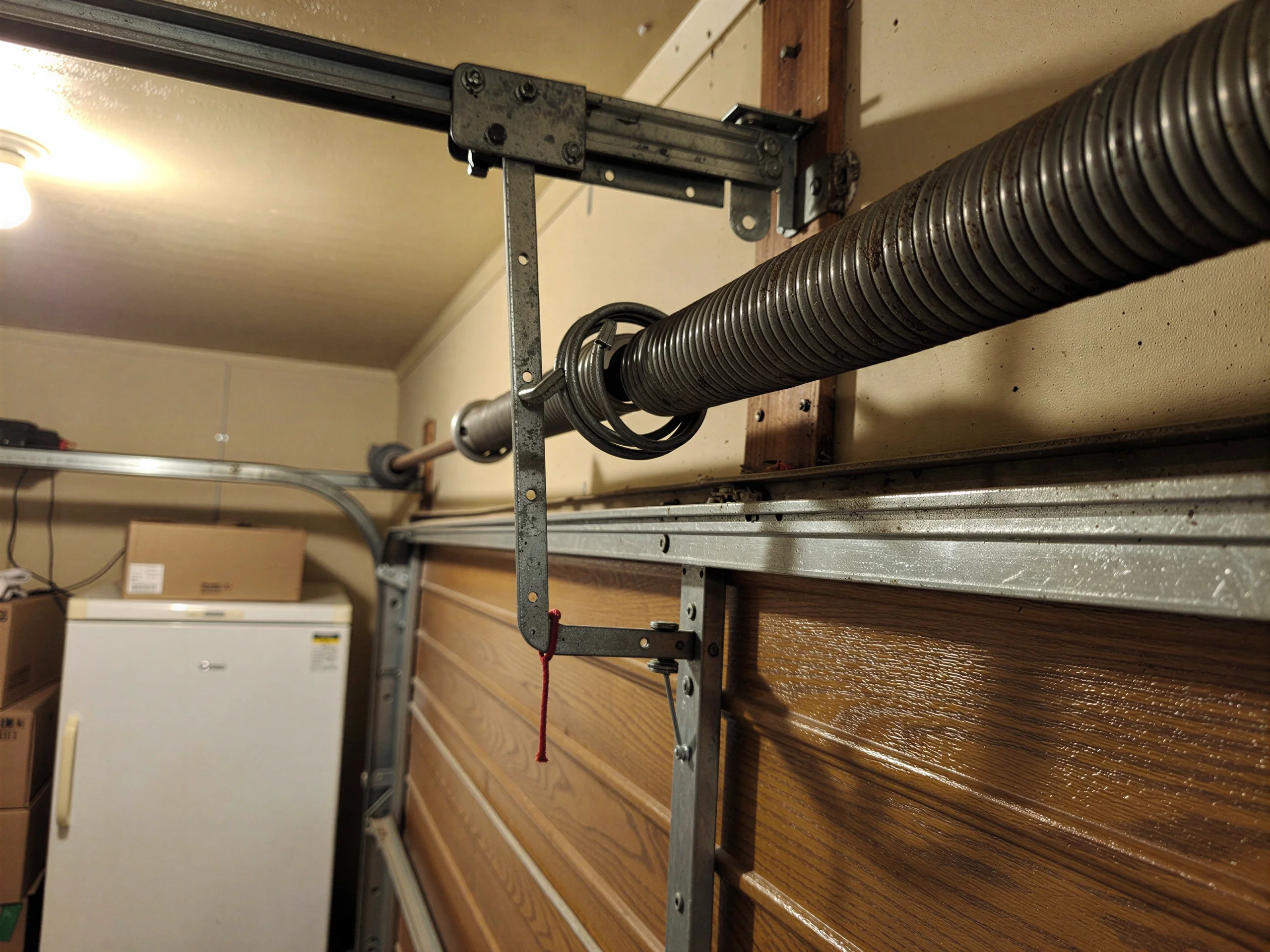
The chain itself stretches and skips over years of use, and on these older rail setups there's often no quick-release carriage, which means a dead opener can trap the door shut with no manual override. Sensor eyes are the other recurring issue.

Zip-tied photo-eyes

Since most of these units were installed after the house, not with it, the photo-eyes are frequently zip-tied to whatever bracket was handy rather than mounted at a matched height - which throws false error codes and stops the door mid-travel.

Accumulated small failures

We also see capacitor failure on older chain-drive motors, worn gear sets that strip under load, and remotes that were reprogrammed so many times the receiver board no longer syncs cleanly. None of this is dramatic. It's the slow accumulation of fifty years of patch jobs, and it's exactly why two openers that look identical from the garage floor can fail for completely different reasons.

DIY or pro

The DIY Question

Swapping a remote battery or resetting a wall button is fine to try yourself. Diagnosing a dead logic board on a unit that's already been retrofitted once isn't - you're troubleshooting someone else's wiring decisions from years ago, not a clean factory install.

Housing opening hazards

If the opener hums but the door doesn't move, that's almost always a stripped gear or a broken capacitor, and opening the housing on a motor that old without knowing its specific model history is how people get hurt or fry a part that was still salvageable.

Obsolete opener replacement

Here's the honest limit: if your opener is a chain-drive unit old enough that replacement parts are no longer stocked, we're not going to spend your money chasing a part that doesn't exist anymore. At that point, full replacement costs less than the hours spent hunting down a discontinued gear kit, and we'll tell you that straight instead of billing for the search.

Diagnosis needs on-site view

We travel the 5 miles out from Sunnyvale for diagnosis and repair, not for guesswork over the phone - we need to see the actual bracket and wiring in front of us before we know which of the last fifty years of fixes we're dealing with.

Symptoms

The Symptom

If your door reverses right after it starts closing, that's almost always a sensor eye out of alignment or an auto-reverse setting tripped by a worn limit switch - common on these retrofitted units where the eyes were never leveled against each other.

Chain jumped off sprocket

If the opener runs but the door doesn't budge, suspect a stripped gear or a chain that's jumped its sprocket, both frequent on original-to-the-house chain-drive motors from this era. A remote that works intermittently, but a wall button that works every time, usually points to a receiver board nearing failure rather than a dead remote battery.

Repeated button presses harm

And if the motor hums without moving anything at all, that's a capacitor or a jammed gear, not a logic problem - don't keep hitting the button hoping it clears, since that just burns out the motor faster.

Replacement over patching

Given Loyola's median household income near $250,001, we find most owners here choose full opener replacement over patching a unit built on fifty-year-old wiring once the repair bill starts closing in on half that cost.

Questions

Common questions

Why does my opener in Loyola seem older than the one at my last house?

If your house dates to around 1971 like most of Loyola, your garage almost certainly went through at least two opener generations before the one on the rail now. Each swap brought different wiring habits, which is why diagnosis here usually starts with tracing what's actually installed, not assuming a factory setup.

Do you have a branch in Loyola?

No. We run out of Sunnyvale and drive the 5 miles to Loyola for every call. There's no local depot, so scheduling runs through the Sunnyvale shop.

Is it worth repairing a chain-drive opener from the 1970s?

Depends on what's broken. A capacitor or gear kit is often still available and cheap to fix. If the logic board is the original relay-style unit, parts may no longer be stocked, and at that point full replacement is the more honest answer than chasing a discontinued part.

Does Loyola's mild climate affect opener lifespan?

Not much directly - the mild temperate conditions here don't put openers through the freeze-thaw stress some climates do. Failures in Loyola trace to age and retrofit history far more often than weather.

Ready when you are

Garage door opener acting up in Loyola?

Sunnyvale Garage Door Pros repairs and installs garage doors, springs and openers in Sunnyvale, CA and the surrounding area.

Call Now(408) 786-3362